
Full Mouth Reconstruction Revision in Georgetown, DC
Georgetown full mouth reconstruction revision expert. Dr. Marlin specializes in complex prosthetic failures and bite correction.
Georgetown Reconstruction Revision: Expert Care in Your Neighborhood
Georgetown residents have the distinct advantage of accessing world-class prosthodontic care without any commute. Our office is located here, making it literally impossible for Georgetown patients to reach a closer prosthodontist. This geographic advantage is substantial when you’re managing a failing reconstruction.
Georgetown’s identity as a center of professional and intellectual resources attracts patients who value expertise, detailed explanation, and specialized knowledge. Our practice philosophy aligns perfectly with this sophisticated patient population. We provide the depth of expertise, clarity of communication, and respect for patient intelligence that Georgetown professionals expect.
Reconstruction Failure from Inadequate Occlusal Guidance
A common cause of reconstruction failure involves improper development of your occlusal guidance, the specific way your teeth contact and move against each other.
Anterior Guidance Problems
Your front teeth should guide your jaw as it moves forward and sideways. Proper anterior guidance prevents your back teeth from contacting in these movements, protecting them from excessive force. When anterior guidance is inadequate, your back teeth absorb forces they’re poorly designed to resist.
If your original reconstruction lacked proper anterior guidance, your back teeth have been absorbing excessive force for years. This causes multiple failure patterns. Your posterior teeth develop wear facets. Crowns may fracture. Implants may develop bone loss. Cements may fail from cyclic stress.
In revision, we establish proper anterior guidance so your front teeth are slightly in contact before your back teeth when your jaw moves forward. This distributes force to your front teeth, which are biomechanically designed to handle it, and protects your back teeth.
Posterior Contact Problems
Your back teeth should have balanced, simultaneous contact when your jaw closes. However, balanced contacts are difficult to achieve, particularly when mixing natural teeth and implants.
If your back teeth have unbalanced contacts, some teeth absorb excessive force while others absorb none. The overloaded teeth wear rapidly. The underloaded teeth may appear to work fine but are actually allowing other teeth to fail prematurely.
Some reconstructions develop posterior slide conditions where your teeth contact in one position, then your jaw slides slightly when you clench fully. This sliding motion causes cyclic stress on the teeth that were in contact during the initial position. Over time, this cyclic stress causes failure.
Lateral Guidance and Canine Disclusion
When your jaw moves sideways, your teeth should guide this movement smoothly. Ideally, your canine teeth handle most of this lateral force, protecting your back teeth from sideways forces they handle poorly.
If canine guidance is inadequate, your back teeth receive lateral forces, causing them to fracture or for crowns to break. If lateral guidance is too tight or unbalanced, it creates excess force on canine teeth that may break.
Multiple Dentist Treatment Histories
Many Georgetown patients have been treated by multiple dentists over the years. Each dentist brought different philosophies, approaches, and skill levels.
One dentist might have prepared teeth conservatively, leaving maximum tooth structure. Another might have over-prepared, removing more structure than necessary. One dentist might have prioritized esthetics above all else. Another prioritized durability. These different philosophies create a patchwork of treatment approaches.
Assessing Mixed Treatment Philosophy
When multiple dentists have treated you, your mouth may represent conflicting approaches. Understanding these differences requires careful assessment of what each dentist did and whether their approach contributed to your current situation.
We evaluate each restoration individually. We assess preparation design, restoration design, material selection, and margin quality. We identify restorations that remain successful and those that are failing. We develop a unified revision approach rather than perpetuating the mixed philosophy.
Building on Successful Previous Work
Rather than dismissing previous treatment entirely, we preserve work that’s succeeding. If a previous dentist created excellent restorations that are holding up, we maintain those restorations while addressing the failing ones.
This approach is more complex than starting from scratch and requires careful attention to detail, but it often results in better outcomes because we preserve what was working while fixing what wasn’t.
Treatment Outcomes with Complex Histories
Georgetown patients with complex treatment histories often have legitimate concerns. They’ve had multiple dentists. Some treatment worked. Some failed. They want to understand why and be confident the revision will succeed.
We address these concerns directly. We explain specifically what we observe about why certain restorations succeeded and others failed. We show you the evidence. We don’t make assumptions or generalizations. We provide the specific, detailed explanation that sophisticated patients deserve.
Salivary Health and Restoration Longevity
Saliva is far more important to restoration success than most patients realize. Saliva protects teeth from decay, provides lubrication for comfortable function, and assists in healing. Reduced saliva flow or quality affects restoration margins, increases decay risk, and slows healing.
Several conditions affect salivary function. Some medications reduce salivary flow. Sjögren’s syndrome affects salivary glands. Radiation therapy for head or neck cancer can permanently damage salivary glands. Age-related changes can reduce salivary flow. Systemic conditions like diabetes can affect saliva quality.
Assessing Your Salivary Status
During your evaluation, we assess your salivary flow and quality. We ask about dry mouth symptoms. We may measure saliva production. We ask about medications and health conditions affecting saliva.
If we identify salivary concerns, we discuss protective strategies. We might recommend more frequent professional monitoring. We might select cement systems that perform better with reduced saliva. We might recommend products that supplement saliva function.
Medications and Systemic Health Considerations
Certain medications and health conditions affect how your reconstruction revision will proceed.
Blood Thinners and Surgical Protocols
If you take blood thinning medications for heart conditions, stroke prevention, or other reasons, we coordinate your care with your physician. Blood thinners affect how your blood clots and can increase bleeding during any extraction or surgical procedures.
We don’t avoid treating patients on blood thinners. We modify our protocols. We may ask your physician whether you should pause medication briefly. We use hemostatic techniques to manage bleeding. We monitor you more closely during healing.
Immunosuppressants and Healing
Immunosuppressive medications, prescribed for autoimmune conditions, organ transplantation, or other reasons, affect how your body heals. These medications slow the inflammatory response that’s essential to normal healing.
We modify treatment timelines. We monitor healing more closely. We may extend the time allowed for bone to integrate with implants or for graft sites to heal.
Bone Metabolism Medications
Medications affecting bone metabolism, such as bisphosphonates prescribed for osteoporosis, can affect bone healing around implants. Some patients on these medications develop rare but serious complications called medication-related osteonecrosis of the jaw.
During evaluation, we ask whether you’ve taken these medications. We assess your risk. We may modify our surgical protocols or recommend additional monitoring.
Diabetes and Healing
Diabetes affects blood sugar regulation and can slow healing. Poorly controlled diabetes significantly impairs healing. Well-controlled diabetes has minimal impact on dental treatment outcomes.
During evaluation, we ask about your diabetes control. We might coordinate with your physician. We may monitor you more closely during healing.
Getting Here from Georgetown
Our office is located directly in Georgetown. If you live in Georgetown, you might literally walk to our office. For Georgetown residents slightly removed from the immediate office location, Wisconsin Avenue NW provides direct access.
Public transportation options are available if you prefer not to drive. Parking is easily accessible at our office.
Prosthodontic Specialization for Complex Revision
Prosthodontics is the dental specialty dedicated to restoration and replacement of teeth. A prosthodontist completes two to three additional years of training beyond dental school, focusing specifically on bite mechanics, materials science, implant prosthodontics, and complex restoration design.
This specialization matters profoundly for reconstruction revision, particularly when your history involves multiple dentists, complex materials, and intricate bite problems.
A general dentist receives prosthodontics training as one of many topics among restorative dentistry, periodontics, orthodontics, oral surgery, and others. A prosthodontist’s entire training centers on understanding why reconstructions fail, how to create ones that succeed, and how to repair failures.
For patients with complex histories, the focused expertise becomes essential. A prosthodontist approaches your situation differently because the entire foundation of their training addresses exactly these problems.
Coordinating with Your Other Dental Providers
Georgetown patients often have relationships with excellent general dentists and specialists. We’re happy to coordinate with your general dentist or periodontist. We focus on providing world-class prosthodontic expertise while being part of your broader dental healthcare team.
We communicate clearly with your other providers. We share diagnostic findings. We coordinate timing of treatment. We ensure everyone understands the revision plan.
Cement Selection and Long-Term Success
The adhesive cement bonding your crowns to your teeth or implants is more important than many patients realize. Different cements perform differently under various conditions.
Some cements are designed for maximum hold and permanent bonding. Others allow future removal if needed. Some cements resist moisture better than others. Some provide better marginal sealing. Some are better with reduced saliva.
For your revision, we select cement based on your specific situation. We consider whether you might need future access to implants. We consider your saliva quality. We consider the restoration materials.
Long-Term Monitoring and Success Maintenance
After your revision completion, we maintain close attention during the first 6 months. We schedule regular examinations to assess healing, check bite stability, and make any needed adjustments.
Some patients require a brief adjustment period as they adapt to changes in bite, texture, or restoration shape. We make these adjustments promptly to ensure comfort.
We also monitor for any emerging problems. If a margin begins to open slightly or a restoration develops slight movement, we address these before they become major problems.
Second Opinions and Treatment Confidence
Getting a second opinion on a failing reconstruction is wise and appropriate. We welcome providing our evaluation and recommendations. You might get other opinions if you wish. We’re confident in our assessment and approach.
We want you confident before proceeding with treatment. A well-informed patient is an engaged patient. Confident patients get better treatment results.
Implant Restoration Considerations
If implants are part of your failing reconstruction, we assess their health, position, integration, and condition. We determine whether implants can be retained and restored, or whether implant removal and replacement might serve you better.
Some All-on-4 implant reconstructions develop bone loss from force concentration. Others fail from planning errors in implant placement. We identify the specific problem and develop a revision addressing it.
Material Science and Restoration Durability
Different materials offer different advantages for your specific situation.
Gold alloys don’t fracture and are ideal for areas receiving high forces, but have esthetic limitations. Zirconia offers excellent durability with superior esthetics compared to older metal restorations. Porcelain-fused-to-metal provides a proven track record and excellent combination of durability and esthetics. Composite materials allow adjustment but require periodic maintenance.
We select materials appropriate for your bite force, esthetic requirements, and maintenance commitment.
Related Resources
- Full Mouth Reconstruction Failure: Overview of why reconstructions fail and revision options
- Full Mouth Reconstruction: Proper reconstruction planning and prosthodontic design
- Dental Implants in Georgetown: Implant-supported solutions for reconstruction
- Repairing Failing Implants: Solutions for implant problems
- Second Opinion Dentistry: Expert evaluation of your reconstruction
- Meet Dr. Gerald Marlin: His training and approach to complex cases
- In-House Laboratory: How our laboratory enables superior outcomes
- Patient Success Stories: Results from complex reconstruction cases
- Schedule Your Consultation: Begin your reconstruction revision evaluation
Your Georgetown Reconstruction Revision
If you’re a Georgetown resident with a failing reconstruction, you have the advantage of accessing expert prosthodontic care in your neighborhood. The convenience of our location means you can address your dental situation promptly without logistical burden.
Schedule a consultation with Dr. Marlin and understand precisely what failed, why it failed, and what your revision options are.
Schedule Your Consultation or call (202) 244-2101 to discuss your reconstruction revision needs.
Frequently Asked Questions
How do you handle reconstruction revision if I've had multiple dentists work on my teeth over the years?
Multiple dentists often create mixed treatment philosophies. One might have prepared teeth conservatively. Another might have over-prepared. One might have focused on esthetics. Another on durability. Your teeth might represent a patchwork of different approaches. This complexity requires careful assessment of what's working and what's not. We evaluate each tooth and restoration independently, then develop a unified approach for the revision.
If my reconstruction is failing, is it because I didn't maintain it properly?
Sometimes, but not usually. Poor maintenance can contribute to failure through bone loss or restored tooth problems. However, the majority of reconstruction failures reflect design issues, bite problems, or material selection. Good maintenance might slow failure but won't prevent failure from fundamental design flaws. We assess your maintenance and discuss optimization, but we don't assume failure is your fault.
What role does saliva quality play in reconstruction success?
Significant. Saliva protects teeth and restorations from decay. Dry mouth creates risk for restoration margins and exposed natural tooth surfaces. Reduced saliva quality affects healing and cement integrity. During evaluation, we assess your salivary flow and quality. If concerns exist, we might recommend more frequent monitoring, different cement selections, or other adaptations.
Can you perform reconstruction revision if I'm on medications that affect healing?
Yes, but we need to know about these medications. Blood thinners, immunosuppressants, medications affecting bone metabolism, and others all influence healing. Knowing this allows us to adjust timelines, modify protocols, or recommend coordination with your physician. We don't avoid revision in these situations. We modify our approach.
What exactly is prosthodontics and why does it matter that Dr. Marlin is a prosthodontist?
Prosthodontics is the dental specialty focused on restoration and replacement of teeth. A prosthodontist completes two-three years of additional training beyond dental school, specifically studying bite mechanics, materials science, implant prosthodontics, and complex restoration design. General dentists receive this training as one topic among many. For complex reconstruction revision, the focused expertise matters substantially.
Related Patient Success Stories
Explore similar patient success stories demonstrating our expertise in advanced prosthetic dentistry.
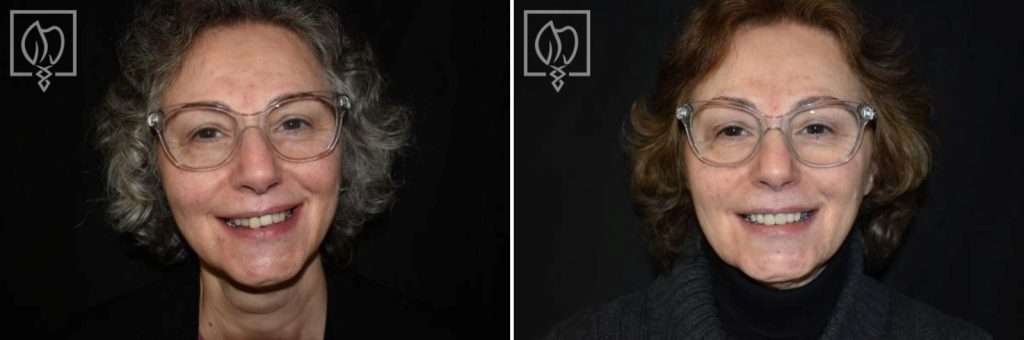
Temporary Crowns Restore Patient's Smile in Just One Day with an Immediate Smile Makeover
A patient from Potomac, Maryland, came to Elite Prosthetic Dentistry with the chief complaint of pain from a failing dental implant and its significant impact on her appearance.
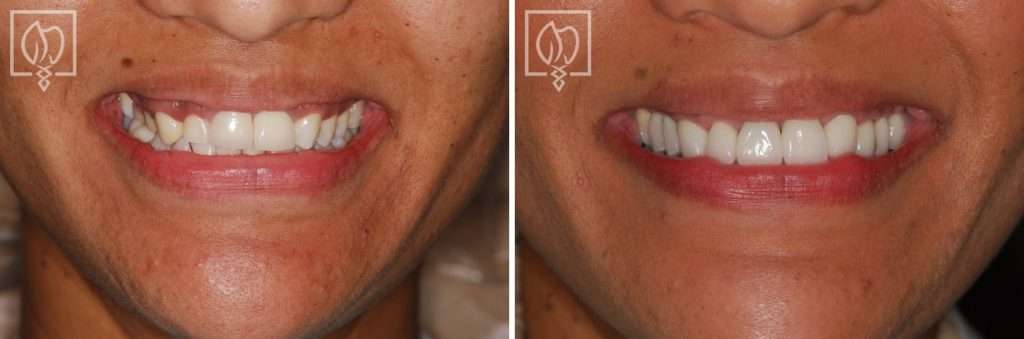
Multi-Faceted Treatment for Patient Unhappy With Her Artificial-Looking Crowns, Teeth and Gums
Many patients come to Elite Prosthetic Dentistry unhappy with the appearance of their smile. However, this particular patient presented with multiple interconnected problems that together created a smile she found deeply unsatisfying.
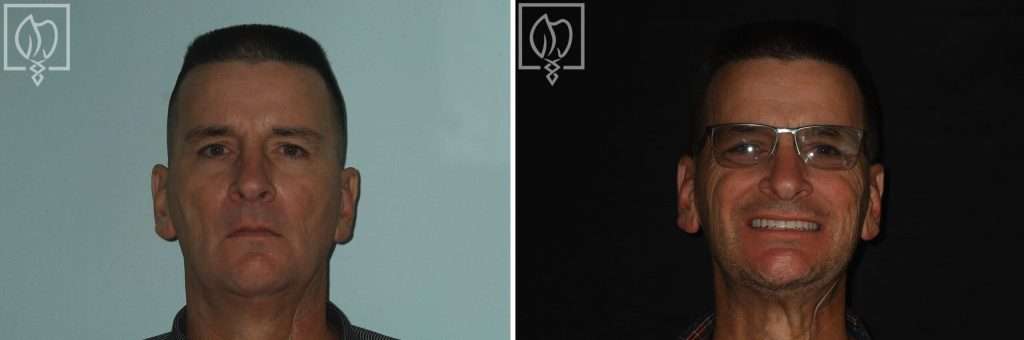
Treating Kevin’s Collapsed Bite with a Complete Smile Makeover with New Dentures
Dentures are sometimes not created to the ideal aesthetic and functional scheme. When improperly fabricated, dentures can make an individual appear almost a generation older than their actual age. They can have a poor fit that feels loose and unstable when eating or speaking, and they can actually accelerate bone loss over time.
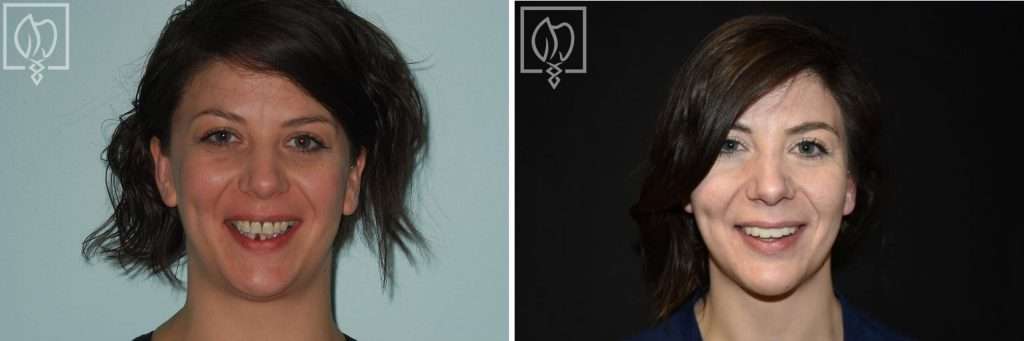
Salvaging Ms. N’s Severely Broken-Down Upper and Lower Teeth from Gum and Bone Disease
Many people in the U.S. suffer from extensive periodontal disease characterized by significant bone loss and shrinkage of the gum tissue. This condition can begin at a very young age and worsen quickly due to hereditary factors and lack of early diagnosis by their dentist.
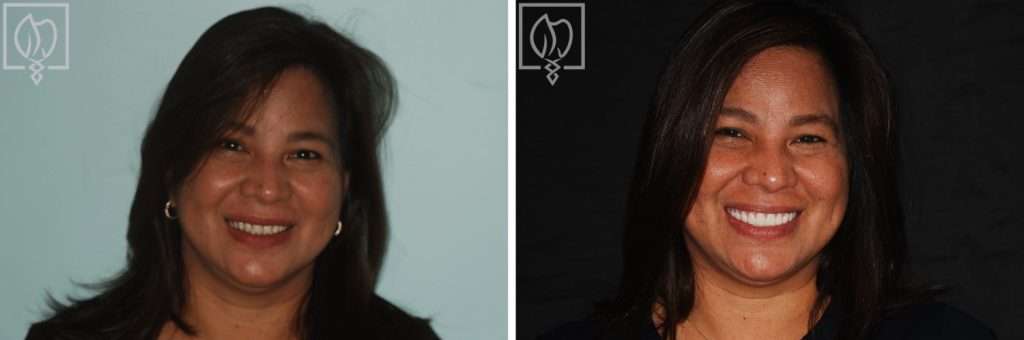
Rejuvenating Maria’s Severely Worn Down Implant Overdentures
Many times, per year, patients come to us frustrated because their implant prosthesis is so severely worn down that they are very self-conscious and cover up their smile. They look and feel much older than their age as a result of the extensive wear of their appliance(s).
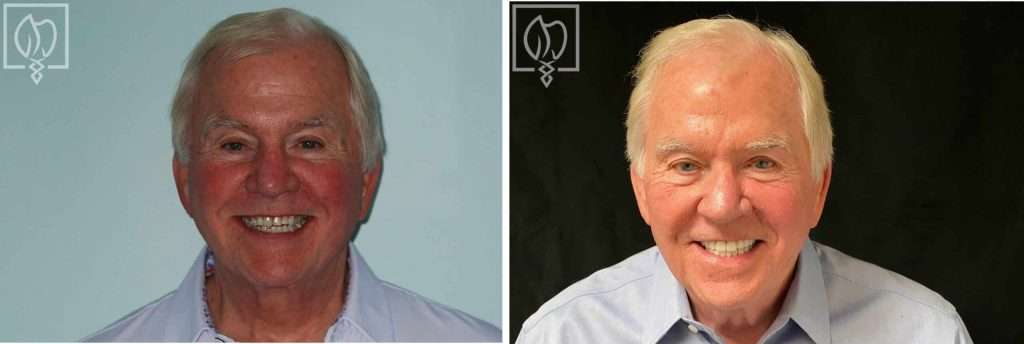
A Smile Transformation in Just Four Months: A Patient’s Dental Crown Restoration for a TV Series
A patient with dental crowns that were in poor shape was going to appear on a streaming video series on a major TV network that was scheduled to begin filming soon. Our patient, John, an author about to embark on a book tour, was anxious as his teeth were not up to his standards to appear on television.
Related Articles
Deepen your knowledge with additional insights on this topic.
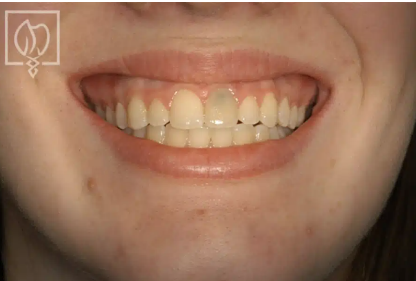 Dental Implants
 If a Single Front Tooth is Replaced with an Implant, can it Look Natural?
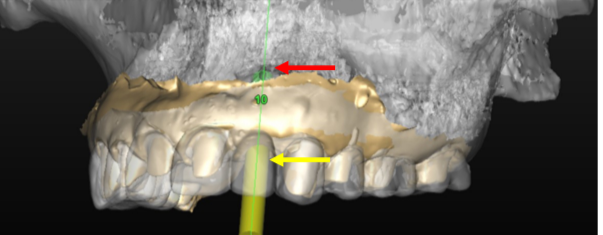
A single front tooth implant can look completely natural with precision placement, custom abutments, and hand-crafted porcelain crowns. Washington, DC.
 Dental Implants
 What is Precision Implant Placement (PIP)?
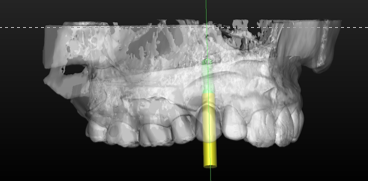
Learn what Precision Implant Placement (PIP) is and how meticulous planning ensures optimal implant positioning for long-lasting results in Washington, DC.
 Dental Implants
 What is the ideal Surgical Guide for Precision Implant Placement?
CBCT-based surgical guides allow virtual implant planning for precise positioning in optimal bone, ensuring predictable results in Washington, DC.
 Dental Implants
 When Should an Implant not be Done?
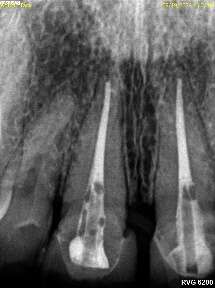
Not every patient is a candidate for dental implants. Learn when healthy roots, fragile bone, or steep angles may make alternatives the better choice.
 Dental Implants
 What is Staged Implant Therapy?
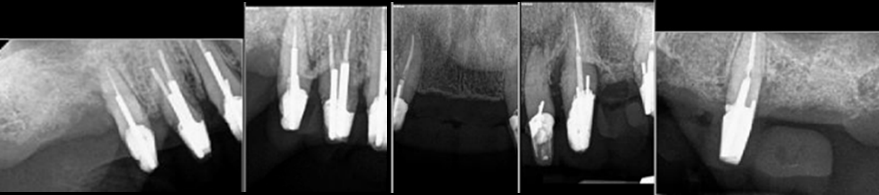
Staged implant therapy replaces teeth gradually using existing teeth as temporary support. A personalized alternative to All-on-X for full-arch cases.
Unveiling the Four Types of Dental Implants: Which One's for You?
Learn about the four types of dental implants - endosteal, subperiosteal, zygomatic, and mini implants - and which option may be right for your needs.
Our Services in Georgetown
Beyond reconstruction-revision, Georgetown patients rely on Dr. Gerald Marlin for a full range of advanced dental care.
More services available in Georgetown:
reconstruction-revision Near Georgetown
Dr. Gerald Marlin also provides reconstruction-revision services for patients in these neighboring communities.
Getting Here from Georgetown
Elite Prosthetic Dentistry is conveniently located near Georgetown, DC.
Georgetown residents reach our office 10 minutes via Wisconsin Avenue NW
Address:
4400 Jenifer Street NW, Suite 220
Washington, DC 20015
Phone: (202) 244-2101
Schedule ConsultationSchedule Your Consultation from Georgetown
Georgetown residents trust Dr. Gerald Marlin for precision dental care. With 3,900+ implants placed and 40+ years of experience, your smile is in expert hands.