
Loose Dental Implant in Palisades, DC
Loose abutment screws are the most common cause of loose implant crowns. Palisades loose implant repair by Dr. Marlin. Precision torque and materials.
Loose Abutment Screw: The Most Common Loose Implant Scenario in Palisades, DC
Here’s a reassuring fact that many patients with loose implants don’t know: the most common cause of a loose implant crown is not a failing implant at all. It’s a mechanical loosening of the abutment screw, the tiny fastener connecting the abutment (the connector piece) to the implant fixture (the titanium root). This scenario is almost always simple to fix. At Elite Prosthetic Dentistry, we diagnose and treat loose abutment screws routinely, often resolving your loose implant in a single appointment.
The Anatomy of Abutment Screw Failure
Understanding why abutment screws loosen requires understanding how they function and what forces act upon them.
The Joint Architecture
An abutment screw is a precision fastener designed to hold the abutment firmly seated on the implant fixture. The screw passes through the center of the abutment and threads into the top of the implant fixture. When tightened to the proper torque value, the screw compresses a specific amount, creating a clamping force between the abutment and fixture.
This connection must resist massive forces. Every time you bite down, the crown pushes the abutment downward and sideways. Parafunctional habits like grinding or clenching amplify these forces dramatically. Over time, the repeated stress can cause the screw to back out slightly, introducing play in the connection.
The Screw Relaxation Phenomenon
When a screw is first tightened, the components it connects (in this case, the abutment and implant fixture) are compressed. Over the first hours and days, the material in these components settles slightly, like a piece of wood drying. This settling is called relaxation.
Screw relaxation is normal and expected. Some prosthodontists schedule a follow-up appointment 1-2 weeks after implant restoration placement specifically to retighten abutment screws that have relaxed. This practice catches loosening early.
If screw relaxation is not addressed, the backed-out screw allows micro-movement between the abutment and fixture. This micro-movement increases subsequent relaxation, creating a cascade where the screw progressively loosens more. Eventually, enough play develops that you notice mobility in the crown.
Cyclical Loading and Screw Stress
Every chewing cycle places stress on the abutment screw. Normal chewing applies load, then releases it. This cyclical stress, repeated thousands of times per day, can cause metal fatigue and screw back-out, particularly in patients with overloading habits.
Parafunctional habits amplify this effect dramatically. Grinding and clenching create larger forces repeated more frequently. Patients who grind at night place enormous stress on abutment screws, which is why nightguard therapy is often recommended. For patients with severe grinding, sedation dentistry can help manage anxiety that contributes to clenching.
Corrosion and Material Incompatibility
Screws, like all metal implant components, exist in a wet, hostile environment (your mouth). Saliva, food acids, and bacteria create corrosive conditions. Titanium and other noble metals resist corrosion well, but degradation can occur, especially at interfaces between different metals.
If your abutment is made of one metal (say, titanium) and the screw is made of a different metal (say, a different titanium alloy), galvanic corrosion can occur where the two metals contact. This corrosion creates a film of corrosion product between the screw and the implant fixture, preventing the screw from sitting fully. The screw then loosens.
Component matching is critical. We always use abutments, screws, and fixtures from the same manufacturer system to ensure compatibility and minimize corrosion risk.
Why You Feel Looseness With Only the Screw Backing Out
A patient with a loose abutment screw asks an obvious question: if it’s just a screw, why can I feel so much movement? The answer is mechanics.
Lever Arm Effect
The crown sits on top of the abutment, far away from the abutment screw. The distance from the screw to the crown margin creates a lever arm effect. A tiny amount of looseness at the screw junction is amplified significantly at the crown, which you experience as dramatic mobility.
Imagine a seesaw with the screw as the pivot point. Movement at the pivot point is small, but movement at the opposite end (where you sit) is dramatic. The same principle applies to abutment screws and crowns.
Micro-Movement Magnification
A screw that has backed out just 0.5 millimeters might not feel like much, but at the crown level, that translates to several millimeters of apparent movement. You might feel like the crown is falling out when actually the screw has loosened a fraction of a millimeter.
Diagnosis of Abutment Screw Loosening
Our diagnostic approach confirms that the abutment screw is the culprit.
Clinical Mobility Testing
We perform a test using a specialized dental instrument. We apply gentle force to different parts of your restoration, noting where movement occurs. If the crown moves relative to the abutment but the abutment seems immobile relative to bone, we’ve identified abutment screw loosening.
Visual Inspection
We look for visual clues like a line or gap between the crown and the abutment margin, which sometimes appears if the abutment has unseated. We examine the crown for any cracks or damage that might result from repeated movement.
Radiographic Assessment
An X-ray taken from the access hole in the top of the crown sometimes shows a gap between screw and fixture where the screw has backed out. More often, radiographs simply rule out other problems and confirm that the underlying implant looks solid.
Exclusion of Other Causes
We assess your bite to ensure forces are distributed normally. We check for signs of infection. We assess the implant fixture stability. By eliminating other possibilities, we confirm that loose abutment screw is the problem.
Treatment: Retightening the Screw
Once we’ve diagnosed loose abutment screw, treatment is straightforward.
Screw Access
For screw-retained crowns (where the crown is attached to the abutment with a screw), we access the screw hole in the top of the crown. For cemented crowns (where the crown is glued to the abutment), we often remove the crown entirely.
Screw Removal and Inspection
We remove the abutment screw using a properly fitting screwdriver or hex key. We inspect the screw and fixture threads for damage, corrosion, or debris.
Thread Cleaning
We thoroughly clean the screw threads and the fixture threads. Any corrosion product, saliva, or biofilm is removed carefully.
Threadlocker Application
We apply a medium-strength threadlocker compound (a thin liquid that hardens to prevent screw back-out) to the cleaned screw threads. This is a small amount, applied precisely so it doesn’t contaminate the connection.
Retightening to Proper Torque
We seat the screw fully, then tighten it with a calibrated torque wrench to the manufacturer’s specified torque value. We do not over-tighten because that can damage the screw or threads. We do not under-tighten because that leaves slack.
Verification
We confirm the screw is secure and the crown has no movement. We check your bite to ensure forces distribute normally.
Restoration of Access Hole (For Screw-Retained Crowns)
If we accessed the crown through the screw hole in the top, we restore that hole with a tooth-colored filling material after the screw is secured.
Recementing (If Crown Was Removed)
If we removed the crown to access the abutment screw, we re-cement it with permanent cement after tightening the screw.
The Importance of Torque Control
Abutment screw torque is not a casual specification. It’s calculated based on the implant system’s material properties, thread geometry, and design.
Under-Torquing
If a screw is tightened below the specification, the clamping force is insufficient. The joint remains slightly loose, and the screw is more likely to back out under cyclical loading. Many loose screws were never tightened to proper specification in the first place.
Optimal Torque
The manufacturer specifies the ideal torque value as a compromise. It’s high enough to prevent back-out but low enough to avoid damage. This value is researched and tested. We follow it exactly.
Over-Torquing
Tightening beyond specification can create excessive stress in the screw, causing it to yield or fail. Over-torquing can also cause threads to strip, preventing proper seating. An over-torqued screw can become damaged to the point where it won’t tighten properly during future retightening.
Calibrated Torque Wrenches
We use calibrated torque wrenches and hand-torque controllers that provide precise feedback. We verify our instruments are properly calibrated regularly. This commitment to precision is what distinguishes careful implant care from casual maintenance.
When to Suspect Abutment Screw Loosening vs. Other Problems
Not every loose implant is a loose abutment screw. Here’s how to distinguish this problem from others.
Sudden onset of looseness in a stable implant suggests screw loosening. Gradual loosening over months or years more often indicates bone loss.
Painless looseness is consistent with screw loosening. Painful looseness might indicate infection or bone loss.
Stability of the crown alone without bone loss signs suggests screw loosening. A loose crown with bone loss indicators suggests other problems.
No swelling or redness supports abutment screw loosening as the diagnosis. Active signs of infection suggest peri-implantitis.
History of prior tightening indicates you’ve had this problem before. Abutment screw loosening can be recurrent, particularly if you have habits like grinding that stress the screw.
Prevention: Reducing Your Risk of Screw Loosening
Once we’ve tightened your loose abutment screw, you can take steps to reduce the risk of recurrence.
Avoid Chewing Hard Objects
Nuts, hard candy, ice, and other very hard foods create peak forces on your implant. Avoiding these reduces abutment screw stress.
Manage Parafunctional Habits
If you grind your teeth, a nightguard distributes forces more favorably. If you clench, conscious awareness and stress management help. These habits place enormous stress on abutment screws.
Maintain Excellent Oral Hygiene
Biofilm around the abutment can corrode the screw connection. Meticulous hygiene with a soft brush and water flosser reduces bacterial accumulation.
Attend Follow-Up Appointments
Schedule checks of your abutment screw at your routine appointments. Annual or biannual inspection catches loosening before you feel significant mobility.
Report Changes Immediately
If you notice mobility returning within weeks or months of retightening, report this promptly. Recurrent loosening might indicate a deeper problem or component incompatibility that requires different management.
The Role of Component Selection
The abutment and screw you have affect loosening risk.
One-Piece Abutments
Some implant designs integrate the abutment and screw into a single component, eliminating the screw connection. These eliminate abutment screw loosening entirely. If you’re prone to screw loosening, your prosthodontist might recommend upgrading to a one-piece abutment.
Platform-Switching Design
Modern implant systems use platform-switching, where the abutment diameter is smaller than the implant fixture platform. This design reduces bone loss and can affect screw loading. We select components based on your specific anatomy and needs.
Material Choices
Titanium, zirconia, and other materials have different properties. Component material selection affects corrosion risk and biocompatibility. For patients with recurrent screw loosening, certain material combinations perform better.
Addressing Recurrent Screw Loosening
Some patients experience loose abutment screws repeatedly despite proper retightening. This pattern warrants investigation.
Investigation Protocol
We assess your bite forces and habits to see if unusual loading is the culprit. We evaluate component selection to see if incompatibility is contributing. We consider whether your screw is being tightened to proper torque each time.
Solution Strategies
Recurrent loosening might be solved by upgrading to a one-piece abutment that eliminates the screw problem entirely. It might be solved by nightguard therapy if grinding is the issue. It might be solved by changing to different abutment material or design. Sometimes the solution involves advanced restorative dentistry techniques that optimize the crown design to distribute forces more favorably.
In-House Lab Advantage
We have an in-house laboratory, allowing us to explore component alternatives quickly. If a different abutment design would solve your recurrent problem, we can have it fabricated rapidly.
Palisades and Preventive Maintenance
Palisades residents appreciate prevention and maintenance. The concept of routine abutment screw checks fits perfectly with preventive health mindset.
Our Palisades location is 5 minutes from many residents of this neighborhood, making routine follow-up appointments convenient.
Related Services and Connected Care
Abutment screw loosening sometimes intersects with other implant issues. Loose dental implants is the broader category of problems we treat. Failing implants sometimes have component loosening as part of more complex problems.
Failed implant integration is a different cause of looseness requiring different management. Bone grafting is not typically needed for abutment screw loosening unless bone loss has occurred for unrelated reasons. For Palisades patients, we provide dental implants in Palisades, bone grafting in Palisades, full mouth reconstruction in Palisades, implant denture repair in Palisades, sedation dentistry in Palisades, and full mouth dental implants in Palisades.
In-house lab capabilities allow us to fabricate replacement abutments or modified components when needed. Advanced restorative dentistry principles guide component selection and design optimization. Precision implant placement prevents positioning errors that might stress abutment screws.
Why Choose Elite Prosthetic Dentistry for Your Loose Abutment Screw
Dr. Marlin has placed and restored hundreds of implants. He has tightened abutment screws on implants originally placed by other surgeons. This extensive experience means he quickly identifies abutment screw loosening and executes precise retightening.
We invest in calibrated torque instruments and maintain them meticulously. Our commitment to precise torque control prevents over-tightening that might damage your abutment or screw.
We discuss prevention and maintenance proactively. If your screw loosens, we discuss why and what you can do to prevent recurrence.
Scheduling Your Evaluation
If your implant crown feels loose and you suspect an abutment screw issue, request an appointment. We can usually see you within a few days, and if looseness is significant, we can prioritize your visit.
If your crown has fallen out completely, keep it clean and dry and bring it to your appointment. We’ll assess both the crown and the underlying implant.
Read more about Dr. Marlin’s background and approach to implant restorations.
A loose abutment screw is solvable. In most cases, retightening it completely resolves your problem. Let us help you restore your implant to full stability and comfort.
Frequently Asked Questions
Why do abutment screws loosen when the implant itself is stable?
Abutment screws loosen due to screw relaxation (the joint settles after initial tightening), cyclical loading (chewing forces cause micro-movements), inadequate initial torque, or corrosion. The underlying implant remains fused to bone, but the connection between abutment and fixture loosens mechanically.
Can my loose abutment screw be retightened, or does it need replacement?
Often it just needs retightening. We remove the crown or access the screw hole, clean the threads, apply threadlocker material, and retorque to proper specifications. If the screw is damaged or has backed out repeatedly, replacement is necessary.
How tight should an abutment screw be tightened?
Each implant system specifies a torque value, typically between 25 and 45 Newton-centimeters. Over-tightening can crack the screw or damage the threads. Under-tightening leaves slack. We use calibrated torque wrenches to achieve the precise manufacturer specification.
Will applying threadlocker permanently fix my loose screw?
Threadlocker (a medium-strength compound) prevents the screw from backing out due to vibration or normal movement. Applied correctly during professional retightening, it effectively prevents recurrence. However, if the underlying problem is inadequate initial torque or component incompatibility, screw loosening might recur.
How often should abutment screws be checked for looseness as preventive maintenance?
Most dentists check abutment screw tightness during annual or biannual checkups. If you've had a history of screw loosening, more frequent checks (every 6 months) might be appropriate. Some patients benefit from an intermediate check 1-2 weeks after implant restoration placement to catch relaxation early.
Related Patient Success Stories
Explore similar patient success stories demonstrating our expertise in advanced prosthetic dentistry.

Temporary Crowns Restore Patient's Smile in Just One Day with an Immediate Smile Makeover
A patient from Potomac, Maryland, came to Elite Prosthetic Dentistry with the chief complaint of pain from a failing dental implant and its significant impact on her appearance.
Multi-Faceted Treatment for Patient Unhappy With Her Artificial-Looking Crowns, Teeth and Gums
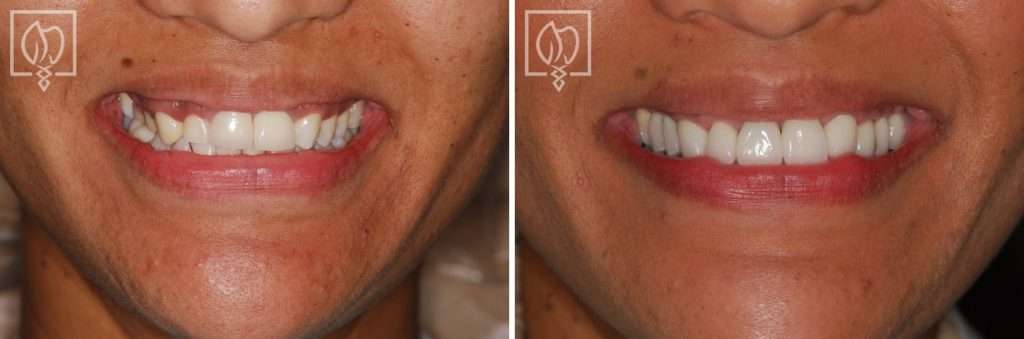
Many patients come to Elite Prosthetic Dentistry unhappy with the appearance of their smile. However, this particular patient presented with multiple interconnected problems that together created a smile she found deeply unsatisfying.

Treating Kevin’s Collapsed Bite with a Complete Smile Makeover with New Dentures
Dentures are sometimes not created to the ideal aesthetic and functional scheme. When improperly fabricated, dentures can make an individual appear almost a generation older than their actual age. They can have a poor fit that feels loose and unstable when eating or speaking, and they can actually accelerate bone loss over time.

Salvaging Ms. N’s Severely Broken-Down Upper and Lower Teeth from Gum and Bone Disease
Many people in the U.S. suffer from extensive periodontal disease characterized by significant bone loss and shrinkage of the gum tissue. This condition can begin at a very young age and worsen quickly due to hereditary factors and lack of early diagnosis by their dentist.

Rejuvenating Maria’s Severely Worn Down Implant Overdentures
Many times, per year, patients come to us frustrated because their implant prosthesis is so severely worn down that they are very self-conscious and cover up their smile. They look and feel much older than their age as a result of the extensive wear of their appliance(s).
Replacing a Discolored Front Tooth with a Precision Placed Implant
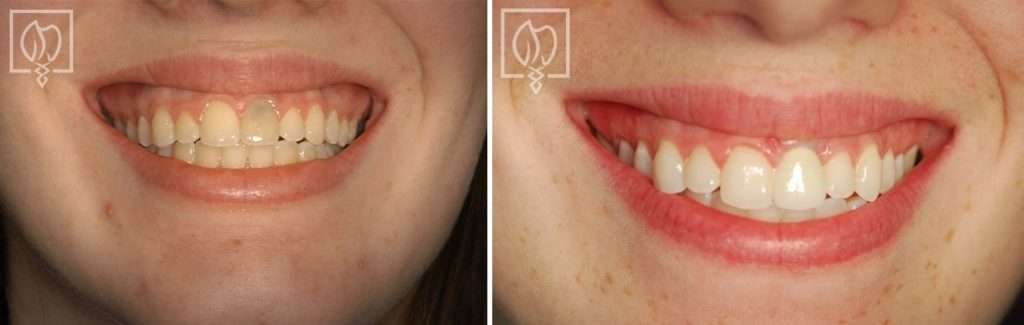
Some of the most challenging restorations occur when fabricating an anterior crown to fit on an implant. Not only does one have the difficulty of matching the single front tooth to the other ones in the high visibility zone, but the dentist must also ensure the position of the underlying implant is precise through accurate preplanning and placement.
Related Articles
Deepen your knowledge with additional insights on this topic.
 Dental Implants
 If a Single Front Tooth is Replaced with an Implant, can it Look Natural?
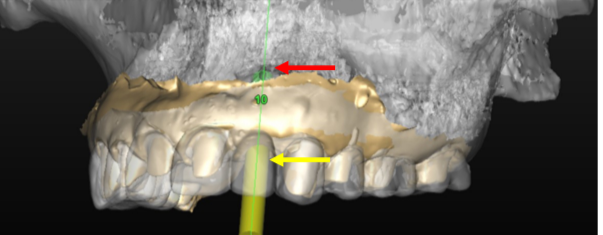
A single front tooth implant can look completely natural with precision placement, custom abutments, and hand-crafted porcelain crowns. Washington, DC.
 Dental Implants
 What is Precision Implant Placement (PIP)?
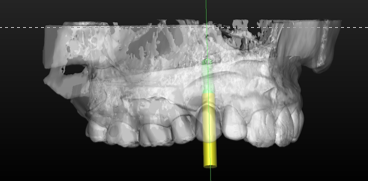
Learn what Precision Implant Placement (PIP) is and how meticulous planning ensures optimal implant positioning for long-lasting results in Washington, DC.
 Dental Implants
 What is the ideal Surgical Guide for Precision Implant Placement?
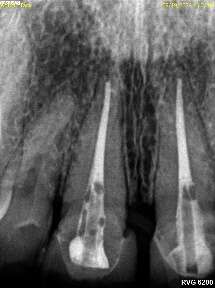
CBCT-based surgical guides allow virtual implant planning for precise positioning in optimal bone, ensuring predictable results in Washington, DC.
 Dental Implants
 When Should an Implant not be Done?
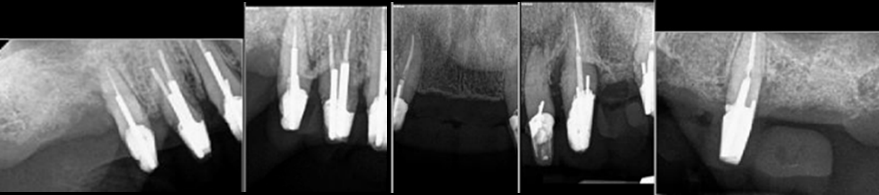
Not every patient is a candidate for dental implants. Learn when healthy roots, fragile bone, or steep angles may make alternatives the better choice.
 Dental Implants
 What is Staged Implant Therapy?
Staged implant therapy replaces teeth gradually using existing teeth as temporary support. A personalized alternative to All-on-X for full-arch cases.
Unveiling the Four Types of Dental Implants: Which One's for You?
Learn about the four types of dental implants - endosteal, subperiosteal, zygomatic, and mini implants - and which option may be right for your needs.
Our Services in Palisades
Beyond loose-dental-implant, Palisades patients rely on Dr. Gerald Marlin for a full range of advanced dental care.
More services available in Palisades:
loose-dental-implant Near Palisades
Dr. Gerald Marlin also provides loose-dental-implant services for patients in these neighboring communities.
Getting Here from Palisades
Elite Prosthetic Dentistry is conveniently located near Palisades, DC.
Palisades location is easily accessible via Wisconsin Avenue. Close proximity to our main office.
Address:
4400 Jenifer Street NW, Suite 220
Washington, DC 20015
Phone: (202) 244-2101
Schedule ConsultationSchedule Your Consultation from Palisades
Palisades residents trust Dr. Gerald Marlin for precision dental care. With 3,900+ implants placed and 40+ years of experience, your smile is in expert hands.