
Loose Dental Crown in Bethesda, MD
Expert loose crown repair in Bethesda, MD. Learn why crowns loosen over time and how prosthodontics prevents future problems. Same-day evaluations available.
Loose Crowns in Bethesda, Maryland: Why It Happens and What You Need to Know
If you’ve noticed your dental crown feeling loose or moving slightly when you bite down, you’re dealing with a problem that many Bethesda patients face. Whether you received your crown from us or from another practice, a loose crown requires prompt professional evaluation and care. The good news is that this is a highly manageable situation when addressed early by a skilled prosthodontist.
Bethesda’s affluent, health-conscious community expects precision dentistry. You’ve invested in your smile with high-quality crowns, and you deserve expert care when problems arise. A loose crown is never something to ignore, but it’s also not automatically a disaster. Understanding what caused it and what your options are is the first step toward resolution.
The Natural Aging Process of Dental Crowns and Cement
Many people assume that if a crown loosens, it means they haven’t cared for their teeth properly. This assumption is often incorrect. Dental cement, while strong and durable, is not permanent. Over time, it simply degrades. The process is gradual and inevitable, influenced by several natural factors in your mouth.
Saliva, while essential for oral health, is actually one of the primary agents that breaks down dental cement. Every day, your saliva works to dissolve and weaken the adhesive bonds holding your crown in place. Temperature fluctuations during eating and drinking (hot coffee followed by cold water) cause the crown, the underlying tooth, and the cement to expand and contract at slightly different rates. This micro-movement, repeated thousands of times per year, gradually loosens the mechanical and chemical bonds.
Chewing forces also play a role. Even with a perfect bite and healthy jaw mechanics, the repetitive forces of mastication create stress on the cement seal. Over a decade or more, this cumulative stress becomes significant. Your bite itself may have shifted slightly due to changes in your jaw structure, tooth wear, or bone density. A crown that was perfectly seated ten years ago may not fit as snugly today if your bite has changed.
The material composition of the crown itself matters too. Porcelain crowns, while esthetic and durable, can develop microscopic cracks or marginal gaps over years of use. Metal margins may corrode slightly, or the interface between the crown and tooth may develop stress points where the seal is compromised.
Micro-Movement and How Crowns “Settle” Over Time
A concept many patients don’t fully grasp is crown micro-movement. Even when a crown feels firmly seated and isn’t clinically loose, it may be shifting imperceptibly at the microscopic level. This movement is typically fractions of a millimeter, but it occurs thousands of times per day during chewing, speaking, and normal mouth function.
This micro-movement doesn’t necessarily mean the crown will become loose. However, it does mean the cement is experiencing stress that shortens its lifespan. Some of our Bethesda patients who have had crowns for 12 to 15 years will notice the first signs of loosening, which is actually quite normal and expected.
When a crown first becomes loose enough that you can feel it moving, the underlying damage to the cement has already been progressing for months, possibly longer. By the time you notice movement, the crown is typically ready for either re-cementation or replacement.
Changes in Tooth Structure and Bone Support
Your teeth don’t remain static throughout your life. Bone resorbs, especially if you’ve experienced periodontal disease or had missing teeth in the past. Your tooth root itself may have shortened over time due to wear or previous dental work. These changes in the supporting structure can cause a crown to become loose even though the crown itself hasn’t changed.
Additionally, if you’ve had a root canal on the tooth supporting the crown, the tooth is now more brittle and prone to different types of movement. Teeth that have been treated endodontically can flex slightly under load in ways that teeth with vital pulps do not, and this can contribute to crown loosening. If multiple teeth have failed or require extraction, you might be a candidate for dental implants as a long-term solution. Patients in Bethesda considering comprehensive restoration often benefit from exploring full mouth reconstruction to optimize all their restorations together.
Bethesda patients with multiple crowns sometimes notice that one crown becomes loose before others, even though all the crowns were placed at the same time. This variation is normal and reflects the different amounts of stress, bone support, and individual variation in how each tooth responds to occlusal forces.
Diagnostic Approach: How a Prosthodontist Evaluates a Loose Crown
When you come in with a loose crown, our first step isn’t to simply re-cement it. We perform a thorough diagnostic evaluation to determine why it loosened and what the best solution is.
We’ll take periapical X-rays to look for decay beneath the crown, evaluate bone support, and assess the crown’s margins. We examine the crown’s adaptation to the tooth, looking for gaps or areas where bacteria could have infiltrated. We check your bite and jaw mechanics to see if occlusal forces might be causing the problem. This diagnostic process is essential before recommending either custom dental crowns or bridge work.
Importantly, we evaluate the crown itself. Is it in excellent condition, or does it show wear, cracking, or marginal deterioration? If the crown is worn or damaged, re-cementing is often a temporary fix. Replacement is more cost-effective long-term because you’re starting fresh with a new restoration designed to last another 10 to 15 years.
We also discuss your habits with you. Do you clench or grind your teeth at night? Have you noticed changes in your bite or jaw function? Are there specific foods that cause the crown to feel loose? This information helps us understand the root cause and develop a treatment plan that addresses the underlying issue.
When Re-Cementing Works: The Right Candidates
Re-cementing is a viable option when several conditions are met. The crown must be in excellent structural condition with no chips, cracks, or significant wear. The underlying tooth must show no signs of decay on X-rays or clinical examination. The crown’s margins must fit snugly against the tooth without significant gaps.
When these conditions are present, we carefully remove the old crown, clean away the old cement and any debris, and thoroughly examine the tooth. If all looks good, we’ll place new cement and reseat the crown. This typically takes one appointment and gives us another 5 to 10 years of service from the existing restoration. Our approach differs from general dentistry because we apply prosthodontic expertise to ensure the best long-term outcomes.
However, if examination reveals decay, the crown doesn’t fit properly, or we see marginal gaps that indicate long-term cement failure, we’ll recommend replacement instead. It’s more honest and ultimately more cost-effective to recommend replacement upfront rather than re-cement a crown that we know will likely loosen again within a few years.
Why Crown Replacement Is Sometimes the Better Long-Term Answer
If your loose crown is due to marginal decay, a poor fit, or significant wear, replacement is typically the superior choice. A new crown is fabricated precisely to your tooth’s current anatomy and your current bite. It incorporates modern materials and techniques that weren’t available when your previous crown was made. Our in-house dental lab allows us to control every aspect of the fabrication process for optimal results. We can even explore whether an implant-supported restoration through dental implant placement might be a better long-term option if tooth structure is severely compromised.
The decay issue is particularly important. If decay has progressed underneath your crown, simply re-cementing won’t address it. The decay will continue progressing silently under the crown, eventually leading to a root canal or extraction. Removing the crown, treating the decay, and fabricating a new restoration ensures that the underlying tooth is healthy and protected.
Many of our Bethesda patients are surprised to learn that crown replacement is often only marginally more expensive than re-cementation when you factor in the cost of future re-cementation, adjustments, or complications. Over a 10 to 15 year period, investing in a new crown upfront is more economical than repeatedly re-cementing an older restoration. For complex cases, advanced restorative dentistry techniques ensure the best possible outcome. We can also discuss whether CAD/CAM restorations technology offers superior precision for your situation.
New crowns also benefit from advances in material science. All-ceramic crowns are now stronger and more esthetic than older porcelain-fused-to-metal crowns. Digital design and milling provide better margins and fit. Laboratory techniques have improved significantly. Your new crown will likely perform better and last longer than the crown it replaces.
The Impact of Your Bite and Occlusal Forces on Crown Loosening
Your bite is a critical factor in crown longevity. If you have a heavy bite, brux at night, or have an unbalanced occlusion, your crowns experience greater stress. Over time, this increased stress accelerates cement degradation and can loosen crowns prematurely. These bite-related issues often require bite correction through careful occlusal adjustment.
We evaluate your bite carefully when assessing a loose crown. If we identify an occlusal issue, we may recommend an occlusal adjustment. This involves carefully modifying the crown’s chewing surface to distribute forces more evenly and reduce stress on the crown-tooth interface.
If you grind your teeth at night, a nightguard is essential not just for the loose crown, but for protecting all your restorations from future damage. Many Bethesda patients don’t realize they grind until they develop loose crowns, jaw pain, or excessive wear on their restorations.
Preventive Strategies to Avoid Loose Crowns
While some crown loosening is inevitable over time, you can extend the life of your crowns through preventive measures. Maintain excellent oral hygiene, brushing twice daily and flossing around the crown margins. Food and plaque accumulation around crown margins accelerates cement breakdown.
Be mindful of your bite. Avoid chewing on hard objects like ice, hard candy, or using your teeth to open packages. These habits create excessive stress on crowns and can accelerate loosening. If you experience significant stress or anxiety, consider seeking support, as this often triggers grinding behaviors. Whether your crown problems are related to stress or simply to the natural aging of dental cement, professional cosmetic dentistry and restorative options can help restore your smile.
If you grind your teeth, wear a nightguard consistently. This single intervention can extend crown life by years. Many patients benefit from sedation dentistry during complex crown work, which can help you relax if dental anxiety has contributed to your clenching habits. Manage stress and monitor your jaw habits, because tension often translates to tooth clenching. For Bethesda patients, we also offer concierge dentistry services that provide priority access and comprehensive preventive guidance.
Visit us regularly for checkups. We can detect early signs of crown problems before they become loose. Professional cleanings remove tartar and bacteria that can accumulate around crown margins.
The Importance of Choosing a Skilled Prosthodontist for Loose Crown Treatment
Not all dentists have the same expertise in evaluating and treating loose crowns. A prosthodontist has advanced training in all aspects of crown and bridge work, including complex diagnostic situations and specialized treatment options.
We understand the biomechanics of crowns in ways that general dentists may not. We can identify subtle issues in crown fit, bite, or underlying tooth structure that require specialized intervention. We have more options available to us, including techniques for re-cementing difficult crowns or fabricating replacements with superior fit and longevity. Whether you need simple re-cementation or comprehensive bridge restoration, we have the expertise.
If your crown was placed by another dentist and is now loose, seeking a second opinion from a prosthodontist is always wise. We can objectively assess whether re-cementation is truly appropriate or whether replacement is the better choice. For patients dealing with multiple crown issues, a full mouth reconstruction approach might be worth exploring.
Treatment Timeline and What to Expect
If your crown is loose and you decide to have it evaluated, we can typically examine you within days. For re-cementation, the appointment takes about 30 to 60 minutes. For replacement, we’ll need to schedule multiple appointments. We take an impression, send it to our laboratory, and once the new crown is fabricated, we seat it at a second appointment.
During this time, if your crown is very loose or at risk of falling out, we can provide a temporary restoration to protect your tooth. This ensures your tooth doesn’t become further damaged or decayed while we prepare your permanent solution.
Local Bethesda Resources and Accessibility
Our Bethesda location serves patients throughout Montgomery County and beyond. We’re conveniently located near major roads and commercial centers, making access easy whether you’re coming from downtown Bethesda, the residential neighborhoods of Kensington or Chevy Chase, or working in the area’s business parks.
Many of our Bethesda patients appreciate the convenience of our location combined with our comprehensive prosthodontic expertise. Whether your loose crown requires simple re-cementation or complete replacement, we have the skills and technology to provide the best possible outcome.
Next Steps: Schedule Your Evaluation
If you’re experiencing a loose crown, don’t delay. The longer you wait, the greater the risk of decay, infection, or further damage to the underlying tooth. We invite you to contact our Bethesda practice for a comprehensive evaluation. We’ll examine your crown thoroughly, take the necessary diagnostic images, and discuss your treatment options candidly.
Whether re-cementing or replacement is the right choice, you deserve expert care from someone who understands the complexities of crown longevity and restoration. We’re here to help you maintain your smile and protect your long-term oral health.
For more information about crown problems and solutions, visit our page on crown problems or learn more about our prosthodontic expertise. If you’re interested in understanding your full range of options, read about our custom crafted crowns and why we believe in taking a long-term approach to restorative dentistry. Additionally, explore our fixed prosthodontics page to understand how we approach complex multi-tooth restorations. For emergency situations, our emergency dental care is available. If you’re interested in cosmetic improvements alongside your restoration, visit our smile makeover services page.
If you need immediate guidance or have urgent concerns, please call our Bethesda office right away. A loose crown can become an emergency if it falls out completely, and we’re prepared to help you quickly.
Frequently Asked Questions
Why did my crown loosen even though I take good care of my teeth?
A loose crown doesn't necessarily mean you've neglected your oral hygiene. Over time, the cement that bonds a crown to the tooth naturally degrades due to exposure to saliva, temperature changes, and normal chewing forces. Additionally, the tooth beneath the crown can shift slightly, and your bite may change over the years. These are normal physiological processes that even the most conscientious patients experience.
Can you just re-cement my loose crown, or will I need a new one?
Re-cementing can work if the crown itself is still in good condition and there's no decay underneath. However, we first need to examine the tooth, take X-rays, and assess the crown's fit and margins. Sometimes what appears to be a simple loose crown actually involves underlying decay or structural issues that require replacement rather than just re-cementing.
How long should a crown last before it loosens?
Well-made crowns typically last between 10 and 15 years before experiencing significant loosening or wear. Some last longer depending on the material, your bite force, and how well you maintain your teeth. A loose crown at five years might indicate a cement failure, while one at 12 years is more typical and often signals it's time for replacement.
What happens if I ignore a loose crown?
Ignoring a loose crown risks serious consequences. The tooth underneath becomes exposed to bacteria and decay, which can progress rapidly under the crown where you can't see it. Eventually, the crown may fall out completely, and you could end up needing a root canal or extraction. The longer you wait, the more expensive and complex the treatment becomes.
Is a loose crown on an implant different from one on a natural tooth?
Yes, significantly. Implant crowns use a different attachment system, typically a screw or implant-specific cement. A loose implant crown suggests a screw may be loose or the cement has failed. The treatment approach differs because we're working with implant abutments rather than natural tooth structure, which requires different techniques and materials.
Related Patient Success Stories
Explore similar patient success stories demonstrating our expertise in advanced prosthetic dentistry.
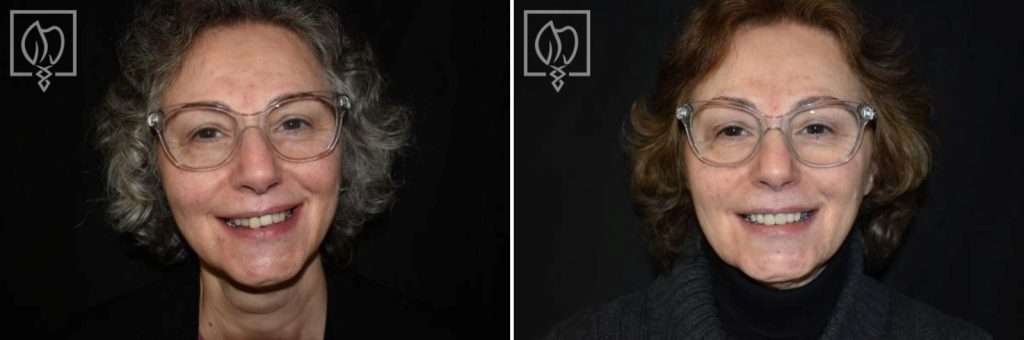
Temporary Crowns Restore Patient's Smile in Just One Day with an Immediate Smile Makeover
A patient from Potomac, Maryland, came to Elite Prosthetic Dentistry with the chief complaint of pain from a failing dental implant and its significant impact on her appearance.
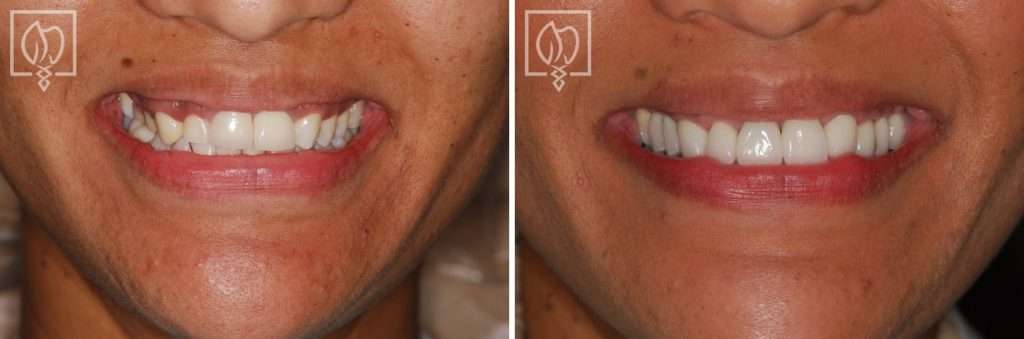
Multi-Faceted Treatment for Patient Unhappy With Her Artificial-Looking Crowns, Teeth and Gums
Many patients come to Elite Prosthetic Dentistry unhappy with the appearance of their smile. However, this particular patient presented with multiple interconnected problems that together created a smile she found deeply unsatisfying.

Salvaging Ms. N’s Severely Broken-Down Upper and Lower Teeth from Gum and Bone Disease
Many people in the U.S. suffer from extensive periodontal disease characterized by significant bone loss and shrinkage of the gum tissue. This condition can begin at a very young age and worsen quickly due to hereditary factors and lack of early diagnosis by their dentist.
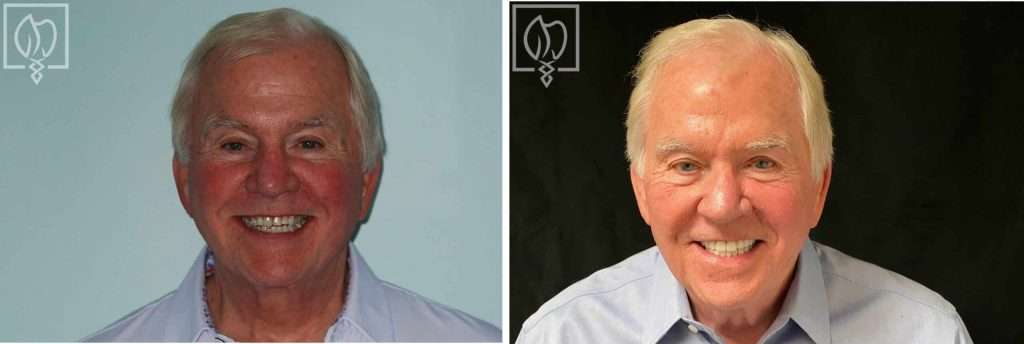
A Smile Transformation in Just Four Months: A Patient’s Dental Crown Restoration for a TV Series
A patient with dental crowns that were in poor shape was going to appear on a streaming video series on a major TV network that was scheduled to begin filming soon. Our patient, John, an author about to embark on a book tour, was anxious as his teeth were not up to his standards to appear on television.
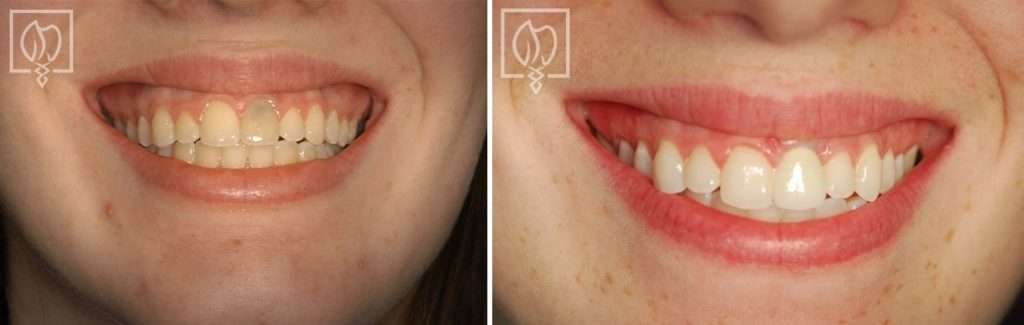
Replacing a Discolored Front Tooth with a Precision Placed Implant
Some of the most challenging restorations occur when fabricating an anterior crown to fit on an implant. Not only does one have the difficulty of matching the single front tooth to the other ones in the high visibility zone, but the dentist must also ensure the position of the underlying implant is precise through accurate preplanning and placement.
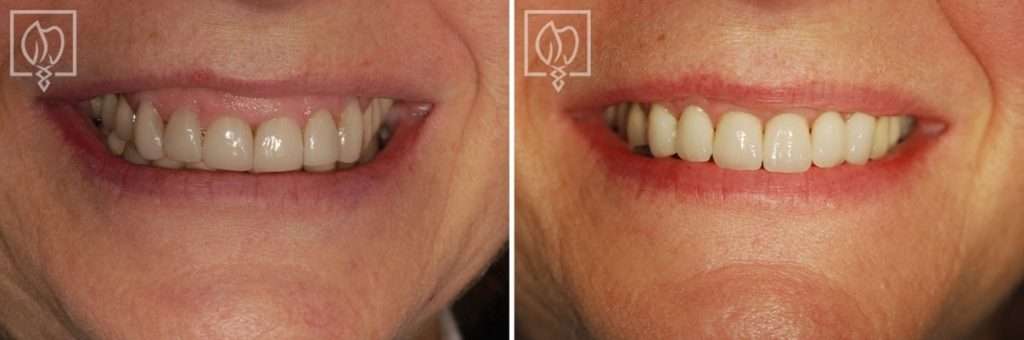
Patient Was Dissatisfied With Her 'Gummy' Smile
Excessive gingival tissue, commonly referred to as a "gummy smile," can significantly impact the appearance of a person's smile and their self-confidence. When someone smiles and a large amount of gum tissue is visible above the teeth, it can create the perception that the teeth are too small or short, even when they are actually normal size.
Our Services in Bethesda
Beyond loose-dental-crown, Bethesda patients rely on Dr. Gerald Marlin for a full range of advanced dental care.
More services available in Bethesda:
loose-dental-crown Near Bethesda
Dr. Gerald Marlin also provides loose-dental-crown services for patients in these neighboring communities.
Getting Here from Bethesda
Elite Prosthetic Dentistry is conveniently located near Bethesda, MD.
Located in the heart of Bethesda, our practice is easily accessible from downtown and the surrounding residential neighborhoods. Most patients drive here in under five minutes from Chevy Chase, Kensington, or central Bethesda.
Address:
4400 Jenifer Street NW, Suite 220
Washington, DC 20015
Phone: (202) 244-2101
Schedule ConsultationSchedule Your Consultation from Bethesda
Bethesda residents trust Dr. Gerald Marlin for precision dental care. With 3,900+ implants placed and 40+ years of experience, your smile is in expert hands.