
Implant Denture Repair in Vienna, VA
Expert implant denture repair in Vienna, VA. Dr. Marlin specializes in loose dentures, attachment failures, and complex implant cases.
Vienna residents with implant dentures benefit from expert care just 25 minutes away via I-66 East to Route 29. Dr. Gerald Marlin, a specialty-trained prosthodontist, provides comprehensive repair services. Vienna’s professional community understands that quality prosthetic dentistry requires specialized expertise. Dr. Marlin’s exclusive focus on prosthetic dentistry ensures Vienna patients receive appropriate evaluation and treatment.
Understanding the factors that affect how quickly your denture wears, the importance of proper insertion technique, and what bone assessment reveals helps you make informed decisions about your implant denture care.
Individual Variation in Denture Wear Rates
Vienna patients often ask why dentures wear faster for some patients than others. The answer involves multiple factors that vary significantly from patient to patient. Understanding your personal wear pattern helps you anticipate maintenance needs and protect your denture.
Insertion and removal technique is critically important. Careful, controlled insertion and removal of your denture is far gentler on attachment components than aggressive insertion. Patients who use a quick, forceful insertion technique experience much faster wear on locator attachments. Patients who insert their dentures slowly and deliberately, allowing the attachment to engage gradually, experience much slower wear. Dr. Marlin teaches proper insertion technique to every patient; applying this technique correctly extends denture life significantly.
Chewing force intensity varies dramatically between individuals. Patients with larger jaw muscles and powerful bites exert greater force on their dentures. This increased force concentrates more stress on attachment components, causing faster wear. Patients with gentle chewing patterns and smaller jaw muscles exert less force and experience slower wear. Interestingly, chewing force is somewhat trainable. Consciously reducing bite force and chewing more slowly can extend denture life.
Nighttime grinding is one of the most destructive habits for implant dentures. Grinding forces can exceed three times normal chewing force. Patients who grind even occasional, light grinding wear their locator attachments substantially faster than non-grinders. Severe grinding can wear locator caps within six months, whereas non-grinders might achieve four years. If you grind your teeth, a protective night guard dramatically extends denture life by reducing force transmission.
Removal frequency affects wear rate directly. Patients who remove their dentures only once or twice daily experience much slower wear than patients who remove dentures six or more times daily. Each insertion and removal creates friction and stress on attachment components. Minimizing removal frequency slows wear substantially. However, some patients have medical or personal reasons for frequent removal, and this is understandable.
Dietary factors matter. Eating primarily soft foods that require minimal chewing force extends denture life. Eating hard foods that require significant cutting force accelerates wear. Patients can influence their denture longevity through dietary choices.
Dr. Marlin assesses your specific wear patterns through careful history and examination. Understanding your specific situation allows Dr. Marlin to provide personalized recommendations for slowing wear and extending denture life.
Accelerated Bone Loss from Loose Dentures
Vienna residents should understand the serious consequences of prolonged loose denture wear. While implant denture problems rarely affect the implants directly, loose dentures create forces that damage the bone surrounding implants.
A properly fitting denture distributes chewing forces evenly across all implants and throughout the bone support. A loose denture that rocks or shifts creates concentrated force on particular implants or particular sides of the ridge. This concentrated force creates stress patterns bone was not designed to handle.
Progressive bone loss is the result. Radiographic evaluation of patients who have worn loose dentures for extended periods reveals accelerated bone loss, sometimes reaching a millimeter or more per year, compared to the normal rate of several hundred microns per year. This accelerated bone loss narrows the margin between normal implant function and implant failure.
Early-stage bone loss from a loose denture is reversible if the denture is stabilized promptly. The bone responds to normal force patterns by stabilizing and halting resorption. However, if loose denture conditions persist for years, bone loss accumulates to levels where implant compromise becomes likely.
This is why prompt loose denture repair is essential. Repairing looseness within weeks or months prevents bone loss. Delaying repair for months or years causes cumulative bone loss that might eventually require implant removal or revision.
Diagnostic Imaging and Bone Assessment
Dr. Marlin uses specialized diagnostic imaging to assess bone changes and their implications for denture repair. Standard radiographs reveal gross bone level changes. Advanced imaging sometimes reveals more subtle patterns of bone loss that provide diagnostic clues.
Symmetrical bone loss on both sides of the ridge might indicate normal resorption or might indicate that chewing forces are balanced. Asymmetrical bone loss with greater loss on one side might indicate that loose dentures are concentrating force on that side. This asymmetry is a clue that looseness is causing bone damage.
Bone density evaluation sometimes reveals changes suggesting accelerated loss. Dr. Marlin assesses these findings to determine whether the current denture situation is sustainable or whether intervention is necessary.
Grinding Habits and Denture Damage
Vienna patients who grind their teeth should understand the implications for implant denture longevity. Grinding creates tremendous force transmitted through dentures to implants and bone. This force damages denture components and concentrates stress on surrounding bone.
Night guards (also called occlusal splints) reduce force transmission to teeth and dentures substantially. A proper night guard distributes grinding force across a wider area and absorbs some force through the guard material itself. The result is dramatically reduced wear on denture components and reduced stress on implants.
Dr. Marlin recommends night guards for all patients with known grinding habits. The cost of a night guard is trivial compared to the denture repairs that are prevented through its use.
When Repair Is Appropriate Versus Complete Replacement
Vienna patients sometimes wonder whether to repair a problem or replace the entire denture. The answer depends on the denture’s age and the number of simultaneous problems.
If your denture is relatively new and has developed a single problem like locator wear or a framework screw loosening, repair is almost always more economical and appropriate. A locator cap replacement costs a small fraction of a new denture and solves the problem completely.
However, if your denture is very old, perhaps fifteen or twenty years old, and has developed multiple simultaneous problems, replacement might be more economical. Replacing multiple damaged components might cost as much as a new denture when labor and laboratory charges are totaled.
Dr. Marlin advises whether repair or replacement is most economical based on your denture’s age, the number of problems, and their severity.
Comprehensive First Consultation
When you visit Dr. Marlin for the first time with an implant denture, discussing your complete history ensures comprehensive evaluation. Share information about when your denture was fabricated, what problems have developed and when, and what repair attempts have been made. Mention whether you grind your teeth, how often you remove your denture, and whether particular activities aggravate problems.
Discuss your expectations regarding comfort, retention, and function. Discuss any concerns about appearance or feel. Mention financial constraints if repair costs are a significant consideration. This complete picture allows Dr. Marlin to provide realistic recommendations tailored to your specific situation and priorities.
Night Care and Storage for Implant Dentures
Proper nighttime care and storage significantly affect denture longevity. Understanding proper handling extends denture life and prevents damage.
Removal Protocol and Gentle Handling
Dentures should be removed carefully using a specific technique that minimizes stress on attachment components. Quick, forceful removal stresses attachments and accelerates wear. Gentle, controlled removal protects attachment lifespan.
Dr. Marlin teaches proper removal technique to every patient. Using correct technique extends the time between attachment replacements significantly.
Overnight Storage Environment
Dentures should be stored in a moist environment overnight. Acrylic denture material needs moisture to maintain its properties. Dry storage causes acrylic to become brittle and develop stress cracks.
Most patients store dentures in water containing a denture cleaning tablet. Some patients use denture soaking solutions specifically formulated for overnight storage. Both approaches work well. The key is maintaining moisture throughout the storage period.
Storage Container and Protection
Dentures should be stored in a protective container that prevents damage from drops, impacts, or crushing. A simple denture cup works if you’re careful. However, dentures left loose on a nightstand risk being kicked or knocked over, causing damage.
A protective denture cup with a secure lid provides both moisture retention and physical protection. This modest investment protects your denture from accidental damage.
Denture Cleaning Before Storage
Dentures should be brushed and rinsed before overnight storage, removing food particles and reducing bacteria growth overnight. Soaking in a cleansing solution disinfects the denture and removes stains.
Daily cleaning routine: eat, rinse, brush denture after meals, brush and soak overnight, rinse thoroughly before insertion next morning.
Temperature Extremes and Material Stability
Acrylic dentures can be damaged by temperature extremes. Boiling water can soften acrylic or cause distortion. Freezing can make acrylic brittle. Room temperature water is optimal for storage.
Avoid storing dentures in vehicles where temperature can become extreme, or in direct sunlight.
Getting Here from Vienna
Vienna residents reach Elite Prosthetic Dentistry in approximately 25 minutes via I-66 East to Route 29. The office is located at 4400 Jenifer Street NW, Suite 220, Washington, DC 20015. Convenient parking is available.
Related Resources
- Implant denture problems
- Repairing failing implants
- Loose snap-in denture solutions
- Denture relines and repairs
- Removable prosthodontics
- Patient success stories
- Meet Dr. Marlin, specialty-trained prosthodontist
- In-house laboratory services
- Dental implants
- Request an appointment
Schedule Your Consultation or call (202) 244-2101
Vienna residents with implant denture problems benefit from expert care from a specialty-trained prosthodontist. Dr. Marlin’s expertise in complex implant denture cases ensures appropriate diagnosis and optimal solutions.
Frequently Asked Questions
Why does my denture become loose more quickly than my friend's similar denture?
Wear rates vary based on multiple factors. Insertion and removal technique significantly affects attachment wear. Aggressive insertion or removal accelerates wear. Chewing force intensity affects wear patterns. Patients who chew harder create more stress on attachments. Nighttime grinding accelerates wear substantially. Some patients remove dentures multiple times daily while others remove only once. Bone loss rate varies between individuals affecting denture fit changes. Dr. Marlin assesses your specific wear patterns and advises strategies to slow progression.
Can implant denture problems eventually require implant removal?
Rarely. Implant denture problems usually affect the denture itself or mechanical connections, not the implants. However, if loose dentures create prolonged excessive forces, bone loss around implants accelerates. If bone loss becomes severe enough, implants might eventually fail and require removal. This is why prompt denture repair is important. Preventing loose denture conditions protects implant longevity.
What should I discuss with Dr. Marlin during my first implant denture evaluation?
Discuss your denture history including how long you've had the denture, what problems developed and when, and what attempts you've made to fix problems. Mention nighttime grinding habits, denture insertion and removal frequency, and any pain or discomfort. Discuss your expectations for comfort, retention, and function. Mention financial constraints if repair costs matter to your decision. This information enables Dr. Marlin to provide comprehensive assessment and realistic recommendations.
Why is bone assessment important during implant denture evaluation?
Bone levels determine how much support is available for the denture and implants. Excessive bone loss might affect denture design or indicate that implant problems are developing. Bone loss patterns indicate whether resorption is normal or accelerated. Accelerated loss might indicate specific problems requiring intervention beyond denture repair. Assessing bone changes helps Dr. Marlin determine whether denture adjustment is sufficient or whether additional treatment is needed.
Can I get a second opinion about denture repair recommendations?
Yes. Second opinions are appropriate and valuable. Different prosthodontists might have different recommendations based on different approaches to similar problems. Getting a second opinion ensures you understand your options. However, ensure the second opinion is from a qualified prosthodontist familiar with complex implant dentures rather than a general dentist. Second opinions from general dentists might not add value for implant denture cases.
Related Patient Success Stories
Explore similar patient success stories demonstrating our expertise in advanced prosthetic dentistry.
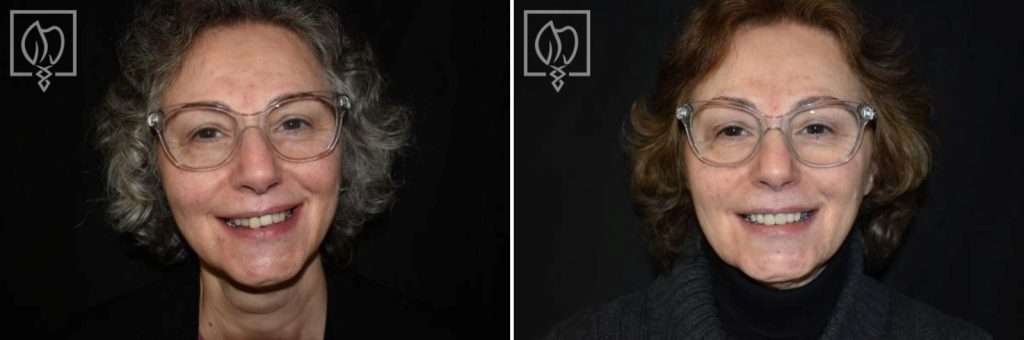
Temporary Crowns Restore Patient's Smile in Just One Day with an Immediate Smile Makeover
A patient from Potomac, Maryland, came to Elite Prosthetic Dentistry with the chief complaint of pain from a failing dental implant and its significant impact on her appearance.
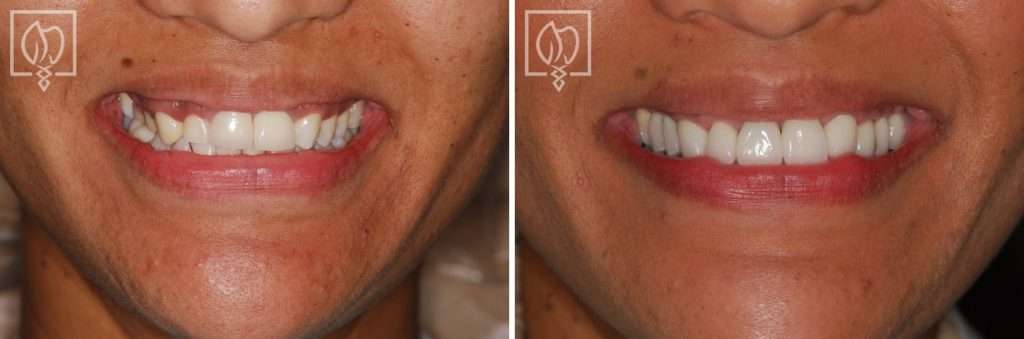
Multi-Faceted Treatment for Patient Unhappy With Her Artificial-Looking Crowns, Teeth and Gums
Many patients come to Elite Prosthetic Dentistry unhappy with the appearance of their smile. However, this particular patient presented with multiple interconnected problems that together created a smile she found deeply unsatisfying.
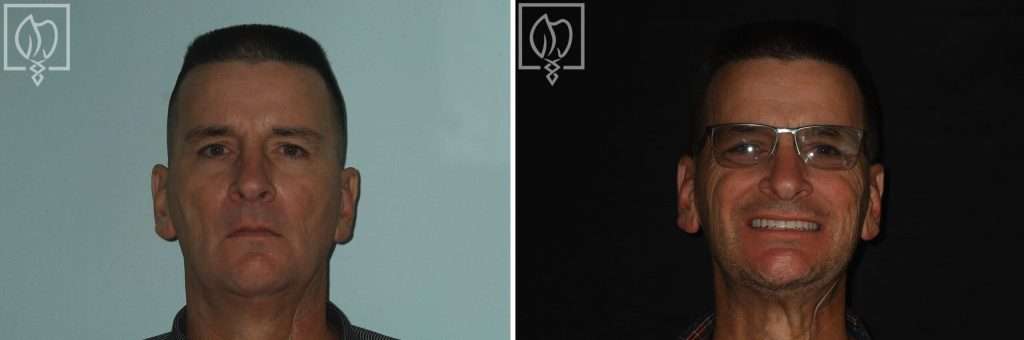
Treating Kevin’s Collapsed Bite with a Complete Smile Makeover with New Dentures
Dentures are sometimes not created to the ideal aesthetic and functional scheme. When improperly fabricated, dentures can make an individual appear almost a generation older than their actual age. They can have a poor fit that feels loose and unstable when eating or speaking, and they can actually accelerate bone loss over time.
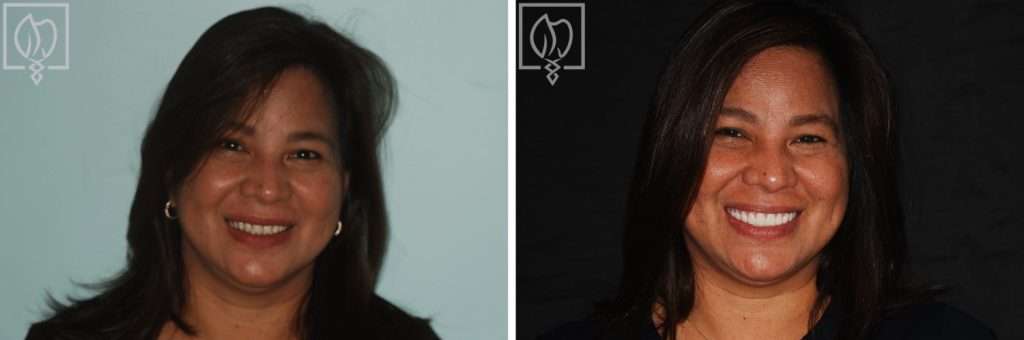
Rejuvenating Maria’s Severely Worn Down Implant Overdentures
Many times, per year, patients come to us frustrated because their implant prosthesis is so severely worn down that they are very self-conscious and cover up their smile. They look and feel much older than their age as a result of the extensive wear of their appliance(s).
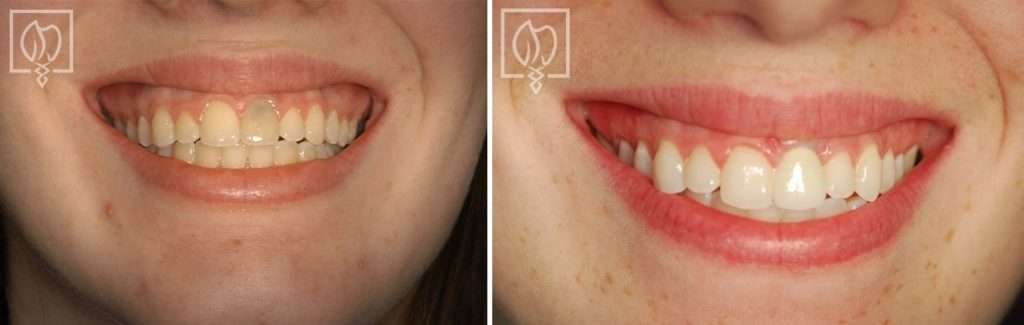
Replacing a Discolored Front Tooth with a Precision Placed Implant
Some of the most challenging restorations occur when fabricating an anterior crown to fit on an implant. Not only does one have the difficulty of matching the single front tooth to the other ones in the high visibility zone, but the dentist must also ensure the position of the underlying implant is precise through accurate preplanning and placement.
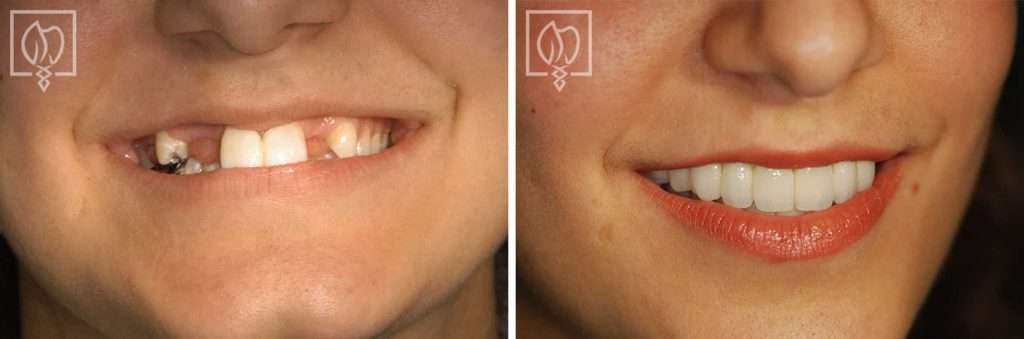
Treating Congenitally Missing Teeth in a Teenager with Dental Implants
A 16-year-old patient from McLean, Virginia, presented with a condition where she was congenitally missing several teeth, meaning they were missing from birth.
Related Articles
Deepen your knowledge with additional insights on this topic.
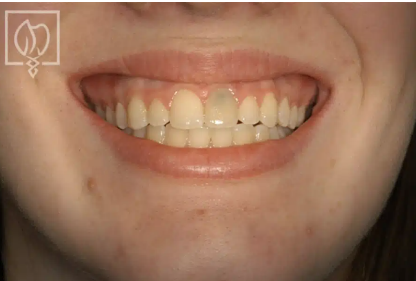 Dental Implants
 If a Single Front Tooth is Replaced with an Implant, can it Look Natural?
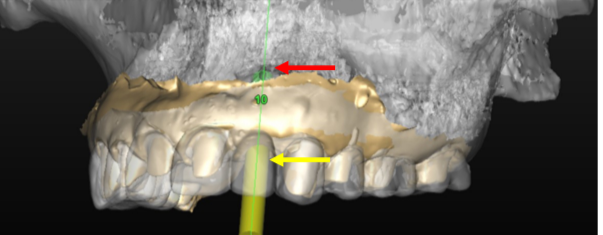
A single front tooth implant can look completely natural with precision placement, custom abutments, and hand-crafted porcelain crowns. Washington, DC.
 Dental Implants
 What is Precision Implant Placement (PIP)?
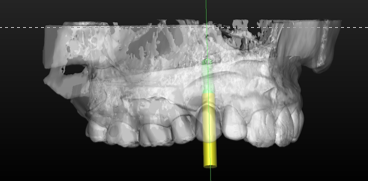
Learn what Precision Implant Placement (PIP) is and how meticulous planning ensures optimal implant positioning for long-lasting results in Washington, DC.
 Dental Implants
 What is the ideal Surgical Guide for Precision Implant Placement?
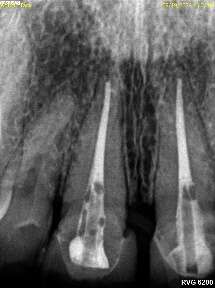
CBCT-based surgical guides allow virtual implant planning for precise positioning in optimal bone, ensuring predictable results in Washington, DC.
 Dental Implants
 When Should an Implant not be Done?
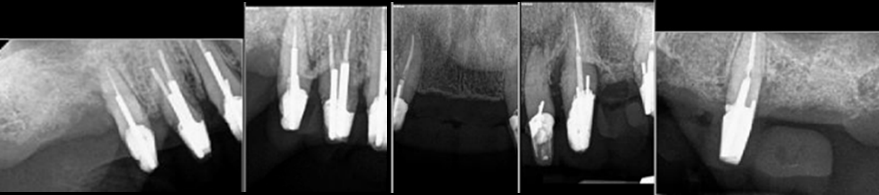
Not every patient is a candidate for dental implants. Learn when healthy roots, fragile bone, or steep angles may make alternatives the better choice.
 Dental Implants
 What is Staged Implant Therapy?
Staged implant therapy replaces teeth gradually using existing teeth as temporary support. A personalized alternative to All-on-X for full-arch cases.
Unveiling the Four Types of Dental Implants: Which One's for You?
Learn about the four types of dental implants - endosteal, subperiosteal, zygomatic, and mini implants - and which option may be right for your needs.
Our Services in Vienna
Beyond implant-denture-repair, Vienna patients rely on Dr. Gerald Marlin for a full range of advanced dental care.
More services available in Vienna:
implant-denture-repair Near Vienna
Dr. Gerald Marlin also provides implant-denture-repair services for patients in these neighboring communities.
Getting Here from Vienna
Elite Prosthetic Dentistry is conveniently located near Vienna, VA.
Vienna residents reach our office 25 minutes via I-66 East to Route 29
Address:
4400 Jenifer Street NW, Suite 220
Washington, DC 20015
Phone: (202) 244-2101
Schedule ConsultationSchedule Your Consultation from Vienna
Vienna residents trust Dr. Gerald Marlin for precision dental care. With 3,900+ implants placed and 40+ years of experience, your smile is in expert hands.