
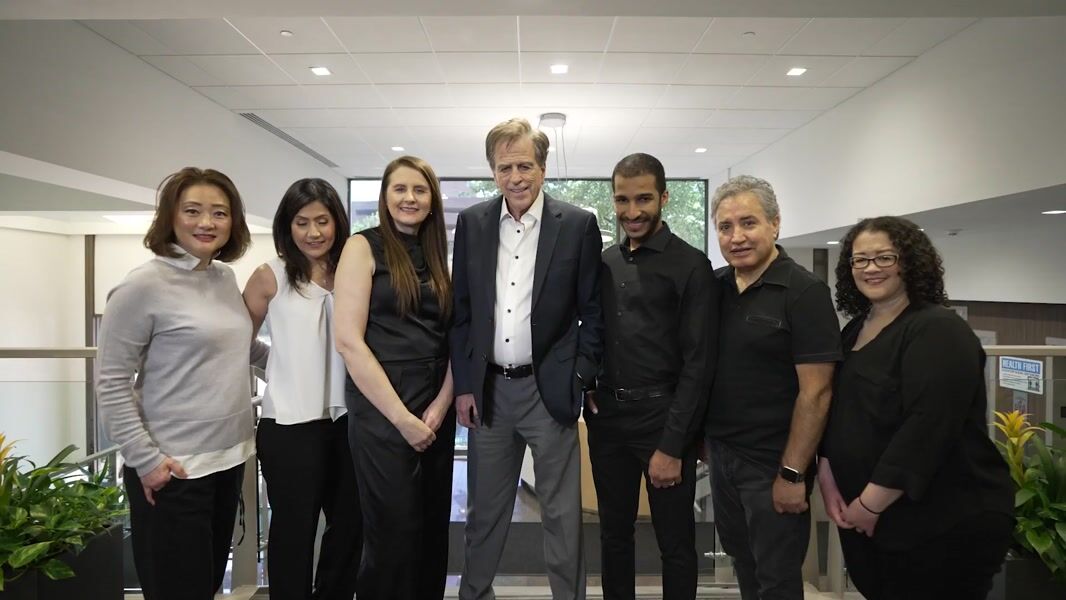
Implant Denture Repair in Tysons, VA
Expert implant denture repair in Tysons, VA. Dr. Marlin specializes in loose dentures, attachment failures, and complex implant cases.
Tysons residents with implant dentures benefit from convenient expert care, just 20 minutes via I-495 South to Wisconsin Avenue. Dr. Gerald Marlin, a specialty-trained prosthodontist, provides comprehensive repair services accessible from Tysons’ busy professional community. For Tysons residents who invested in implant dentures to enhance their quality of life, Dr. Marlin’s expertise ensures those investments deliver long-term value.
Understanding component quality, material options, and appropriate care helps Tysons residents make informed decisions about their denture repairs and maintenance. The difference between quality repairs and cost-cutting compromises becomes apparent over years of use.
Material Quality and Framework Durability
Implant dentures use several materials that directly affect how long they last before requiring repair. Understanding material quality helps you appreciate why some repairs cost more than others and why the cheapest repair option isn’t always the wisest choice.
Attachment components vary dramatically in quality. Premium locator attachments from established manufacturers use specialized polymers and precise engineering. These attachments maintain their shape and retention longer, wear more slowly, and provide more consistent retention throughout their lifespan. Less expensive locator attachments use cheaper materials that soften at body temperature, degrade faster, and can become unpredictably loose.
The denture acrylic itself matters significantly. Premium denture acrylic is fabricated in specialized facilities with tight quality controls. It resists staining from coffee, red wine, and tobacco better than standard acrylic. It maintains its appearance longer. More importantly, premium acrylic has superior material properties that resist cracking and fracturing under stress. Standard acrylic is more brittle and prone to developing stress cracks where the acrylic interfaces with the metal framework.
The metal frameworks used in implant dentures are critical. Titanium and cast gold frameworks withstand chewing forces with less distortion than cobalt-chrome alloys. The difference becomes apparent over years of use. A precision-cast premium framework maintains its shape and integrity, while a less precise casting can develop subtle distortions that create fit problems and accelerate locator wear.
Dr. Marlin uses quality components throughout his practice. When your denture requires repair, he specifies quality attachment caps and materials that will provide years of reliable service rather than requiring repeat repairs within months.
Acrylic Fractures and Framework Cracks
Tysons patients sometimes experience sudden denture problems when their dentures crack or fracture. Unlike attachment wear that develops gradually, fractures occur suddenly. Understanding how fractures develop and what causes them helps you prevent them.
Acrylic base fractures usually result from impact, but the impact doesn’t need to be dramatic. Dropping your denture from waist height onto a bathroom sink can cause fractures. Biting down on something hard unexpectedly can fracture the acrylic. Sometimes, apparently minor impacts cause significant cracks while major impacts cause no damage, depending on the exact angle and force direction.
Most acrylic fractures can be repaired rather than requiring complete denture replacement. Dr. Marlin’s on-site laboratory can repair most acrylic fractures in one to two days. However, if the fracture is extensive or if multiple fractures exist, replacement might be more economical than attempting extensive repair.
Metal framework cracks are rarer than acrylic cracks but more serious. Framework material stress cracks develop over many years from repeated chewing forces concentrating stress in particular locations. Framework cracks are difficult to repair and usually warrant complete denture replacement. This is why maintaining proper denture fit and avoiding excessive forces through protective measures like night guards is important.
Acrylic Surface Staining and Discoloration
Staining affects denture appearance and sometimes function. Tyson residents should know the difference between surface stains and intrinsic discoloration.
Surface stains develop from staining foods and beverages like coffee, tea, red wine, and tobacco. These stains sit on the acrylic surface. Professional cleaning usually removes surface stains. Your denture can be cleaned in our office using special cleaning techniques that remove stains without damaging acrylic.
Intrinsic discoloration occurs when staining agents penetrate into the acrylic material itself. This is more difficult to correct. Sometimes, the surface layer of acrylic can be polished away to reveal unstained acrylic beneath. Other times, the discoloration has penetrated too deeply and cannot be removed. Using quality denture cleansers, daily soaking, and avoiding staining substances as much as possible prevents intrinsic discoloration.
Denture Thickness Customization
Tysons patients often ask whether dentures can be made thinner for comfort or appearance. The answer is yes, but with tradeoffs.
Thinner dentures feel better in your mouth and are less visible at the denture borders. However, thin dentures flex more when you chew and are more prone to developing stress cracks and fractures. Thin dentures also have less material to work with if repairs become necessary.
Thicker dentures feel bulkier and might be more visible but provide superior durability and resistance to cracking. They can withstand higher chewing forces without developing stress cracks. They last longer before repairs become necessary.
Dr. Marlin discusses thickness options with you. Your specific chewing habits, bone contours, and preferences determine whether thin or thick dentures are appropriate for your situation. Patients with strong jaw muscles and hard-chewing habits benefit from thicker dentures. Patients who prioritize comfort and appearance might prefer thinner dentures accepting the tradeoff in durability.
Implant Assessment and Denture Conversion
Some Tysons patients have dental implants from years past placed for other purposes, and they wonder if those implants can be used to support an implant denture. The answer sometimes is yes, but it requires careful assessment.
Implants placed for single tooth replacement are typically positioned for that specific tooth location. Converting them to an implant denture requires them to be positioned in a pattern that supports a denture. Often, implant positioning isn’t ideal for denture support even though the implants serve their intended purpose for single tooth use.
Implants that remain fully integrated and healthy can sometimes be converted to denture support, but bone changes over the years affect options. If significant bone loss has occurred, implant positions might be too deep or too shallow for appropriate denture support. Additional implants might be necessary to provide adequate support.
Dr. Marlin evaluates your existing implants carefully. He takes specialized imaging, measures implant positions and angulation, and assesses bone contours. He determines whether conversion is feasible or whether additional implants would be necessary. This assessment prevents you from investing in a denture that would be poorly supported by existing implants.
Framework Screw Management
Implant dentures that use a framework design with screws require routine screw maintenance. Screws work loose over time from normal chewing forces. Loose screws create denture movement, rocking, and eventual framework failure.
Dr. Marlin checks screw tightness at every appointment. He uses calibrated torque instruments to tighten screws to the manufacturer’s specifications without over-tightening, which can damage the screw or implant connection. Most patients benefit from screw tightening annually or when looseness becomes apparent.
Getting Here from Tysons
Tysons residents reach Elite Prosthetic Dentistry in 20 minutes via I-495 South to Wisconsin Avenue. The office is located at 4400 Jenifer Street NW, Suite 220, Washington, DC 20015. Convenient parking is available.
Evaluating Implant Health Under Your Denture
Because implants are covered by your denture, you can’t see them directly. Professional evaluation is necessary to determine whether your implants are healthy or developing problems.
Mobility and Integration Assessment
Dr. Marlin tests each implant’s mobility by gently rocking it with specialized instruments. A healthy, well-integrated implant is completely immobile. Any movement indicates either loose implant components or bone loss around the implant.
Implant mobility is one of the earliest signs of problems developing. Detecting mobility during annual examination allows intervention before serious bone loss occurs.
Radiographic Bone Level Assessment
Periapical radiographs reveal bone levels around each implant. Comparing radiographs year to year shows whether bone is stable, slowly resorbing at normal rates, or resorbing rapidly.
Normal implant bone loss averages less than one millimeter per year after the first year. Faster loss might indicate problems requiring intervention.
Abutment Connection Evaluation
Where the implant connects to the abutment or denture attachment, problems can develop. Loose abutment connections create micro-movement, accelerating bone loss. Dr. Marlin checks abutment screw tightness with specialized instruments.
Loose abutment screws are tightened during examination, preventing continued bone loss from micro-movement.
Periimplant Tissue Inflammation Assessment
Inflammation at the soft tissue margin around implants (periimplantitis) initiates bone loss. Visual inspection of tissue color and probing around each implant reveals inflammation.
If inflammation is detected, Dr. Marlin determines its cause (poor hygiene, overhanging margins, retained cement) and recommends treatment.
Implant Splinting and Support Assessment
If your denture uses multiple implants, they should be unified (splinted) by the denture framework, sharing load distribution. Assessment determines whether all implants are equally supporting the denture or whether some implants are carrying excessive load.
Load distribution affects implant longevity. Identifying unequal loading allows adjustments improving distribution.
Related Resources
- Implant denture problems
- Repairing failing implants
- Loose snap-in denture solutions
- Denture relines and repairs
- Removable prosthodontics
- Patient success stories
- Meet Dr. Marlin, specialty-trained prosthodontist
- In-house laboratory services
- Dental implants
- Request an appointment
Schedule Your Consultation or call (202) 244-2101
Tysons residents with implant denture problems benefit from expert care from a specialty-trained prosthodontist. Dr. Marlin’s commitment to quality materials and precision repair ensures your denture investment delivers years of reliable function.
Frequently Asked Questions
Why are quality components important in implant denture systems?
Quality attachment components, frameworks, and denture materials directly affect system longevity. Cheap components wear faster and require more frequent replacement. Quality materials resist staining, maintain flexibility, and degrade more slowly. Quality frameworks better withstand chewing forces without developing stress cracks. While quality components cost more initially, they reduce long-term repair costs and provide better function. Dr. Marlin uses quality components ensuring optimal performance.
Can implant dentures be made more comfortable through customization?
Yes. Denture thickness, material type, attachment type, and positioning all affect comfort. Some patients prefer thinner dentures despite slightly reduced durability. Others prefer thicker dentures for greater durability. Different materials have different feel properties. Discussing preferences during planning enables customization matching your priorities. However, some customizations might require complete denture redesign rather than modification of existing dentures.
How do I know if my denture attachment is wearing rather than losing retention from other causes?
Gradual, progressive looseness over months usually indicates attachment wear. Sudden looseness might indicate framework screw loosening or bone change. Professional evaluation with specialized instruments distinguishes between causes. Examining the attachment itself sometimes reveals visible wear patterns. Dr. Marlin's evaluation identifies whether attachment replacement is needed.
Why don't all dentists provide implant denture repair services?
Implant dentures are complex systems requiring specialized training. General dentists learn basic denture skills but not specialized implant denture repair. Many general dentists lack laboratory facilities for denture work. Referral to specialists is appropriate when problems exceed their training. This is similar to how general dentists refer complex implant cases to implant specialists. Specialty care ensures expertise appropriate to your problem complexity.
Can I switch from traditional dentures to implant dentures if I kept my implants?
Sometimes, yes. If your implants remain healthy and are positioned appropriately, implant dentures might be possible. However, bone changes over years affect denture design options. Implant positioning might not be ideal for implant dentures even though the implants are suitable for other purposes. Assessment of your specific implants and bone anatomy determines feasibility. Dr. Marlin evaluates whether conversion is possible in your situation.
Related Patient Success Stories
Explore similar patient success stories demonstrating our expertise in advanced prosthetic dentistry.
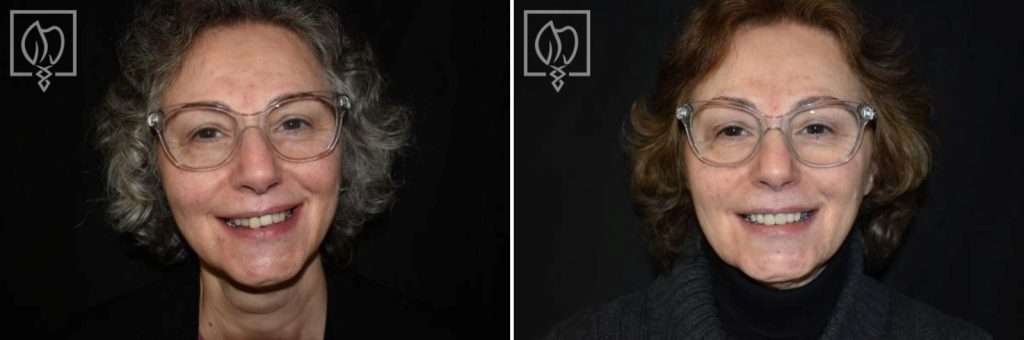
Temporary Crowns Restore Patient's Smile in Just One Day with an Immediate Smile Makeover
A patient from Potomac, Maryland, came to Elite Prosthetic Dentistry with the chief complaint of pain from a failing dental implant and its significant impact on her appearance.
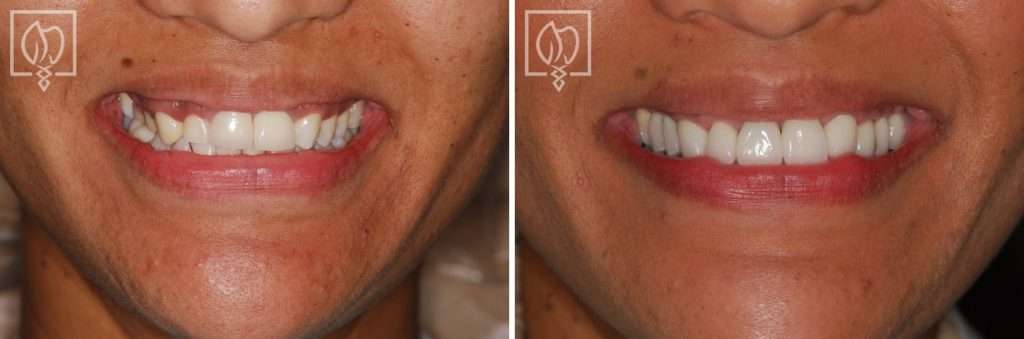
Multi-Faceted Treatment for Patient Unhappy With Her Artificial-Looking Crowns, Teeth and Gums
Many patients come to Elite Prosthetic Dentistry unhappy with the appearance of their smile. However, this particular patient presented with multiple interconnected problems that together created a smile she found deeply unsatisfying.
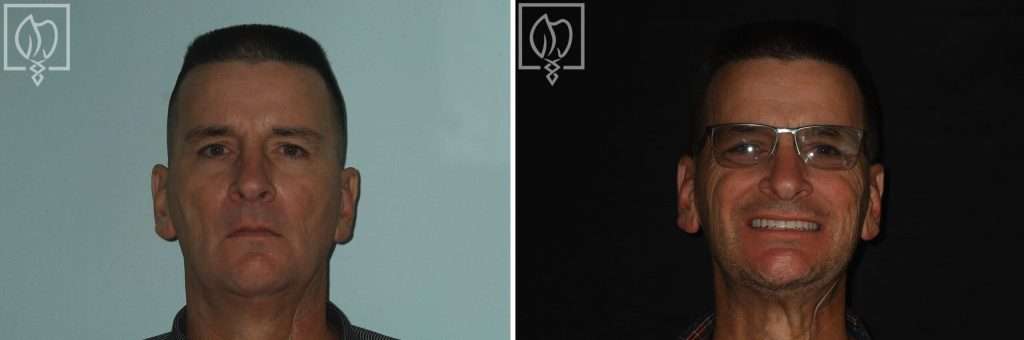
Treating Kevin’s Collapsed Bite with a Complete Smile Makeover with New Dentures
Dentures are sometimes not created to the ideal aesthetic and functional scheme. When improperly fabricated, dentures can make an individual appear almost a generation older than their actual age. They can have a poor fit that feels loose and unstable when eating or speaking, and they can actually accelerate bone loss over time.
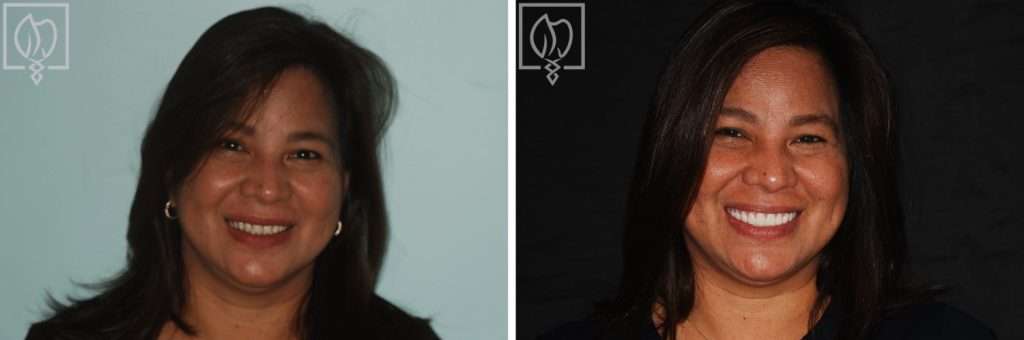
Rejuvenating Maria’s Severely Worn Down Implant Overdentures
Many times, per year, patients come to us frustrated because their implant prosthesis is so severely worn down that they are very self-conscious and cover up their smile. They look and feel much older than their age as a result of the extensive wear of their appliance(s).
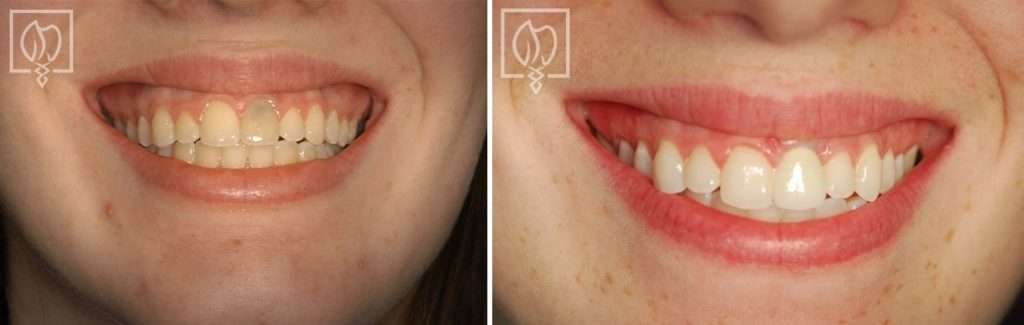
Replacing a Discolored Front Tooth with a Precision Placed Implant
Some of the most challenging restorations occur when fabricating an anterior crown to fit on an implant. Not only does one have the difficulty of matching the single front tooth to the other ones in the high visibility zone, but the dentist must also ensure the position of the underlying implant is precise through accurate preplanning and placement.
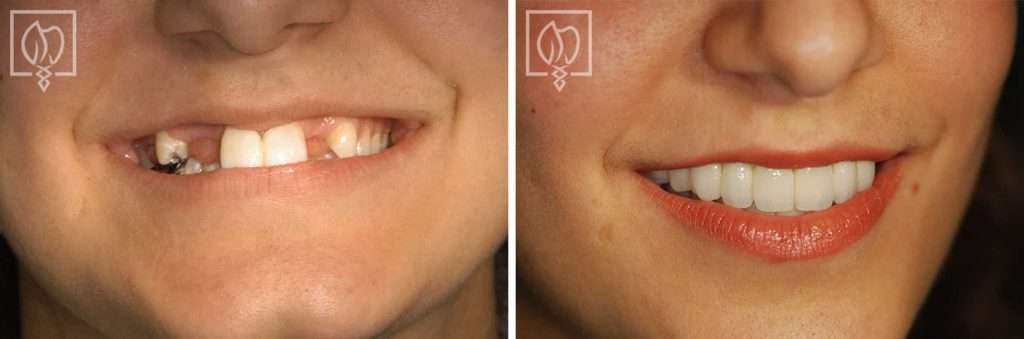
Treating Congenitally Missing Teeth in a Teenager with Dental Implants
A 16-year-old patient from McLean, Virginia, presented with a condition where she was congenitally missing several teeth, meaning they were missing from birth.
Related Articles
Deepen your knowledge with additional insights on this topic.
 Dental Implants
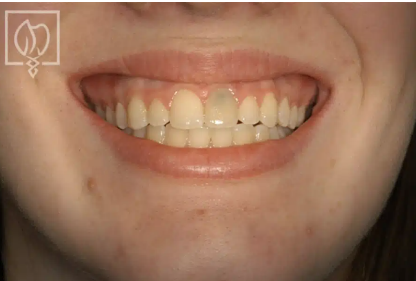
 If a Single Front Tooth is Replaced with an Implant, can it Look Natural?
A single front tooth implant can look completely natural with precision placement, custom abutments, and hand-crafted porcelain crowns. Washington, DC.
 Dental Implants
 What is Precision Implant Placement (PIP)?
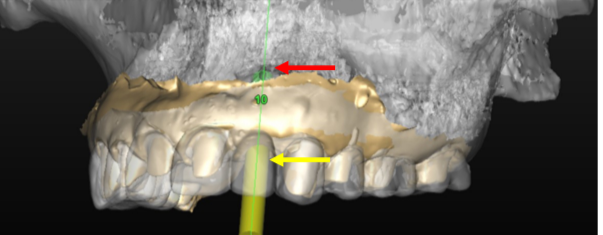
Learn what Precision Implant Placement (PIP) is and how meticulous planning ensures optimal implant positioning for long-lasting results in Washington, DC.
 Dental Implants
 What is the ideal Surgical Guide for Precision Implant Placement?
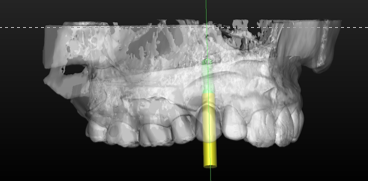
CBCT-based surgical guides allow virtual implant planning for precise positioning in optimal bone, ensuring predictable results in Washington, DC.
 Dental Implants
 When Should an Implant not be Done?
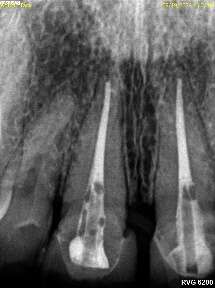
Not every patient is a candidate for dental implants. Learn when healthy roots, fragile bone, or steep angles may make alternatives the better choice.
 Dental Implants
 What is Staged Implant Therapy?
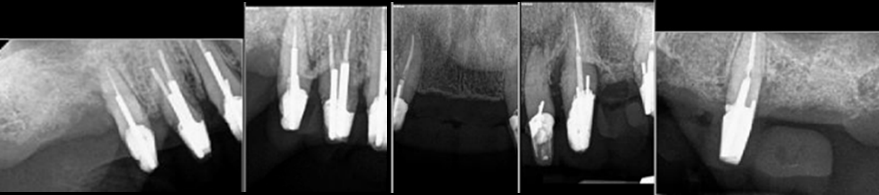
Staged implant therapy replaces teeth gradually using existing teeth as temporary support. A personalized alternative to All-on-X for full-arch cases.
Unveiling the Four Types of Dental Implants: Which One's for You?
Learn about the four types of dental implants - endosteal, subperiosteal, zygomatic, and mini implants - and which option may be right for your needs.
Our Services in Tysons
Beyond implant-denture-repair, Tysons patients rely on Dr. Gerald Marlin for a full range of advanced dental care.
More services available in Tysons:
implant-denture-repair Near Tysons
Dr. Gerald Marlin also provides implant-denture-repair services for patients in these neighboring communities.
Getting Here from Tysons
Elite Prosthetic Dentistry is conveniently located near Tysons, VA.
Tysons residents reach our office 20 minutes via I-495 South to Wisconsin Avenue
Address:
4400 Jenifer Street NW, Suite 220
Washington, DC 20015
Phone: (202) 244-2101
Schedule ConsultationSchedule Your Consultation from Tysons
Tysons residents trust Dr. Gerald Marlin for precision dental care. With 3,900+ implants placed and 40+ years of experience, your smile is in expert hands.