
Veneer Fell Off in Bethesda, MD
Your veneer fell off in Bethesda? Understand adhesive bond failure science and why your veneer debonded. Expert prosthodontic repair in 5 minutes.
Understanding Why Your Veneer Fell Off: The Adhesive Bond Failure Science
When a veneer falls off, it’s not random. There’s a reason. The bonding failure that causes your veneer to debond is rooted in adhesive chemistry, moisture dynamics, and the microscopic interface between your tooth and the restoration. Understanding what happened helps you make better decisions about repair or replacement in Bethesda.
The Resin Adhesive Bond: How It Works and Why It Fails
Your veneer is attached to your natural tooth using composite resin. This resin doesn’t just stick like glue. It works through micro-mechanical interlocking with etched tooth structure and chemical adhesion to both the tooth and the ceramic veneer itself. When bonding works perfectly, the connection is remarkably strong. When it fails, it usually means the microscopic architecture of that bond was compromised.
The bonding process starts with phosphoric acid etching, typically for 15-30 seconds on enamel. This acid dissolves the mineral surface and creates thousands of microscopic pits and valleys. Primer and adhesive resin flow into these spaces. When cured with blue light, they harden and lock into place mechanically. Ceramic veneers are also etched and primed so the resin forms a dual interlock: one side gripping the tooth, the other gripping the veneer.
The problem emerges when moisture enters this interface. Water molecules are tiny. They can penetrate through cured resin over time, especially if the bond line wasn’t completely sealed or if there are micro-gaps at the margins. Once water gets in, it initiates hydrolytic degradation. The resin absorbs water, swells, and weakens. The chemical bonds between resin and tooth begin breaking down. The micro-mechanical lock fails because water creates a lubricating layer that prevents mechanical interlock from functioning properly. Understanding this chemistry is critical to why we emphasize concierge dentistry approaches that prioritize comprehensive, individualized care.
This process is called water sorption, and it’s one of the primary reasons composite resin bonds deteriorate over 10-15 years. In high-moisture environments like your mouth, some bond failure is inevitable unless the restoration is sealed flawlessly.
Etch Quality and Preparation Geometry: The Foundation
Not all tooth preparation is created equal. The shape and texture of how your tooth was prepared directly impacts how long the veneer stays bonded. If your original preparation removed too little tooth structure, there wasn’t enough surface area for proper etching and resin flow. If it removed too much, you sacrificed enamel (which bonds better than dentin) and exposed softer dentin that doesn’t hold adhesive as reliably.
The etch pattern matters more than most patients realize. When phosphoric acid etches enamel, it creates a consistent, predictable texture. Dentin etching produces a different pattern that bonds well initially but is more vulnerable to water infiltration. If your veneer failed, there’s a reasonable chance your preparation was dentin-heavy or the margin extended into dentin without proper resin sealing.
Also consider etch time and concentration. Some offices use 20% phosphoric acid for 15 seconds. Others use 37% for 30 seconds. Research shows that proper etching time and concentration is essential. If your etching was rushed, the etch depth wasn’t sufficient and the micro-mechanical lock was shallow. Over years, that shallow lock gradually fails. This is why modern CAD/CAM restorations and custom crowns and bridges are designed with optimal margins in mind from the start.
Saliva, Bacteria, and Margin Contamination
Your saliva is your mouth’s moisture source. It’s constantly present and always trying to access the bond line. If the veneer margin isn’t perfectly sealed, saliva infiltrates the resin-tooth interface. Bacteria follow. They produce acids that attack the resin and demineralize the tooth surface adjacent to the margin. This creates a pathway for progressive debonding.
This is why margin location and seal integrity are so critical. Margins placed sub-marginally (below the gumline) are theoretically more protected from saliva, but they’re harder to clean and easier to contaminate during restoration placement. Margins at the tooth surface are exposed to constant saliva contact. Margins at the incisal edge are subject to extreme mechanical stress and food impact. Each location presents different failure risks.
When we examine a debonded veneer, we often find bacterial colonization or demineralization at the margin. This tells us the seal failed months or years before the veneer actually fell off. The failure was progressive, not sudden.
Resin Chemistry and Composite Polymerization
The specific resin chosen for bonding significantly impacts longevity. Older dual-cure resins (light and chemically cured simultaneously) provide deeper polymerization and potentially better water resistance than light-cure only systems. However, light-cure resins have improved dramatically over the past decade. Modern nanofilled and nano-hybrid resins absorb less water and maintain better mechanical properties over time.
The curing process also matters. Light-cured resin must be exposed to proper wavelength and intensity for adequate time. If your original bonding used insufficient curing time or a weak light source, polymerization was incomplete. Incompletely cured resin is soft, water-absorptive, and prone to failure.
Additionally, the thickness of the resin layer affects durability. Thicker resin layers absorb more water and flex more under load, creating higher stress at the margins. Too thin and stress concentrates at the interface. The optimal resin layer for veneer bonding is typically 0.5-1.0mm, carefully controlled during placement.
The Role of Tooth Preparation Design
How your tooth was contoured before the veneer was placed determines how forces distribute across the veneer-resin-tooth complex. Poor preparation design creates stress concentration areas where the resin bond fails first.
For example, if your preparation was too rounded or lacked proper line angles, resin flowed into undercuts that created areas of high shrinkage stress during curing. If the incisal edge was prepared at a sharp angle rather than in a chamfered or knife-edge design, stresses concentrate at that sharp angle during biting. The veneer can then rock or flex, creating cyclic stress that fatigues the resin bond.
Conversely, proper preparation design includes adequate line angles, proper taper, and appropriate incisal reduction that distributes occlusal forces more favorably. The preparation should guide forces into the veneer rather than toward the margins. When designed correctly by a specialist in fixed prosthodontics, preparation geometry can extend restoration lifespan dramatically.
Moisture Control During Bonding: The Make-or-Break Factor
This is perhaps the most critical factor. No matter how perfect the etch, the veneer, or the resin chemistry, if moisture contaminates the bonding surface before resin is placed, the entire bond fails prematurely.
Proper moisture control means using a rubber dam isolated to the area being bonded. It means keeping the preparation absolutely dry while acid-etching. It means immediately placing primer and adhesive without air-drying the surface (which can reintroduce moisture). It means keeping your tooth isolated from saliva even during resin placement and curing.
Many offices bond veneers without complete rubber dam isolation, using only cotton rolls or saliva ejectors. Under these conditions, moisture contamination is almost impossible to prevent. The veneer may bond adequately initially, but within 3-5 years, marginal breakdown occurs and the veneer debonds.
At our Bethesda office, we use complete rubber dam isolation for every veneer bonding procedure. We also use a moisture sensor to detect contamination before bonding begins. This level of control is time-consuming and requires skill, but it’s why our porcelain veneers in Washington DC have success rates exceeding 95% at 10 years. This rigorous approach applies whether you’re seeking porcelain veneers specifically or exploring broader cosmetic dentistry options for your smile.
Multiple Failure Pathways and Why Yours Failed
Your veneer didn’t fall off because of just one factor. Debonding is usually multifactorial. For example:
- You had a dentin-heavy preparation (reduced enamel) combined with marginal contamination during bonding, plus a resin that absorbed water. After 8 years, all three factors combined to weaken the bond past its breaking point.
Or:
- Your preparation design included stress concentration areas combined with bruxism (nighttime clenching) and marginal enamel fracture from trauma. The resin bond fatigue accelerated because of cyclic loading.
Or:
- The original veneer was bonded with older dual-cure resin that absorbed water. Bacteria colonized the margins. Marginal leakage progressed over 12 years until the resin became so weakened the veneer dropped off.
Understanding which pathway applies to your situation helps us make better decisions about replacement. If the failure was due to bonding technique, we use better technique. If it was preparation design, we redesign. If it was material selection, we upgrade the resin system.
What We Do Differently: Modern Adhesive Protocols
When you come to our Bethesda location with a debonded veneer, we don’t just re-glue it. We diagnose the failure and apply modern adhesive science. As a prosthodontist office, we bring specialist-level expertise to understanding exactly why your restoration failed and how to prevent recurrence.
First, we assess whether rebonding is viable. If the original veneer is still intact, we can clean it, re-etch both surfaces, and rebond with a more modern adhesive system. However, if the veneer shows microfractures, crazing, or opacity changes from water absorption, replacement is better.
For bonding or rebonding, we use selective-etch protocols. We etch enamel for 30 seconds with 37% phosphoric acid, which gives us superior micro-mechanical interlock. For any dentin exposure, we use modern dentin adhesives that provide better hybrid layer stability and water resistance than older formulations.
Moisture control is absolute. We use rubber dam isolation with an assistant managing moisture. We place a moisture detection gauge to verify dryness before bonding. We use chemically cured or dual-cure adhesives in critical areas for deeper polymerization. We control resin thickness precisely to minimize water absorption and shrinkage stress.
We also place margins sub-gingivally when possible, below the saliva line. This keeps the bond protected from daily moisture exposure. The margin is sealed with a more water-resistant resin composite than traditional composites.
If your situation involves multiple teeth, consider exploring our ultimate smile makeover page for comprehensive design options. For more details about specific failure patterns, our failing veneers page discusses systemic issues that require comprehensive rather than piecemeal solutions. If you want to understand the lab component of your restoration, our in-house lab page explains how our laboratory partner creates custom work. For comprehensive bite analysis, our advanced restorative dentistry page outlines our approach to complex cases. And if you’re interested in emergency care availability, our emergency dental restorations page details how quickly we can respond to debonding situations.
Rebonding Versus Replacement: The Decision Framework
Once we understand why your veneer failed, we discuss whether to rebond or replace. Rebonding is possible if the veneer is structurally sound and no significant enamel loss occurred on your tooth. It costs less and preserves more tooth structure.
Replacement is necessary if your tooth has extensive enamel loss, if the veneer shows cracks or damage, or if rebonding would leave visible margins or require overblocking (adding resin to the veneer surface, which compromises appearance and longevity).
The decision is ultimately yours, informed by our clinical findings. We explain the pros and cons of each approach.
Prevention: Managing Your Restored Smile
Once your veneer is replaced or rebonded, prevent future failure by protecting your restoration:
Avoid clenching and grinding. If you have bruxism, a nightguard is essential. Unprotected clenching creates cyclic stress that fatigues the resin bond. For comprehensive guidance on protecting your restorations from bite-related stress, consult with our prosthodontist about dental implants or other full-mouth reconstruction options if you’re considering a more comprehensive approach.
Avoid extreme temperature changes. Hot coffee followed by ice water stresses the resin through thermal cycling. This isn’t a dealbreaker, but minimizing temperature swings helps.
Maintain excellent oral hygiene. Brush twice daily and floss daily, being gentle around the restoration margin. Plaque at the margin creates acid that demineralizes your tooth and weakens the resin interface.
Avoid sticky foods, hard candies, and foods that require heavy clenching. These create mechanical stress and margin contamination.
See your hygienist every six months. Professional cleaning prevents plaque colonization at margins and allows us to inspect the restoration for early signs of failure. If you notice any changes, our prosthodontist in Bethesda can assess and address issues before they become debonding. If you’re also interested in maintaining your smile’s brightness, teeth whitening before any future cosmetic work ensures optimal shade matching.
If you grind or clench, wear your nightguard every night. This single habit prevents more veneer failures than any other intervention.
Why Choose Elite Prosthetic Dentistry in Bethesda
You’ve already experienced veneer failure once. You deserve a provider who understands adhesive science and uses modern bonding protocols. We’ve spent years perfecting our approach to veneer bonding because we believe your restoration should last 15-20 years, not 5-8.
Our Bethesda office is just five minutes from downtown Bethesda. We handle emergency bonding issues the same day we see you when possible. We explain the science of why your veneer failed so you understand your options. And we use techniques proven to create long-lasting bonds.
If your veneer fell off, don’t wait. Exposed tooth is sensitive and vulnerable to decay. Contact us today to schedule your evaluation. We’ll examine the veneer and your tooth, explain what happened, and provide a clear path forward whether that’s rebonding or replacement.
Your smile deserves a restoration that lasts. If debonding is accompanied by other cosmetic concerns, we also offer teeth whitening and inlays and onlays as complementary restorations. If you’d prefer to explore sedation dentistry options for your rebonding appointment for maximum comfort, we have those capabilities available. To schedule your evaluation and discuss whether second opinion dentistry would be valuable for your specific situation, request an appointment today.
Frequently Asked Questions
What actually causes the resin adhesive to fail and let my veneer drop off?
Veneer debonding happens when moisture infiltrates the resin layer between your tooth and veneer. Saliva, food debris, and bacterial acids gradually degrade the bond line if the initial preparation wasn't properly isolated during bonding. The etch pattern on the tooth surface also deteriorates over time, weakening the micro-mechanical lock that holds the veneer.
Can moisture really penetrate through such a thin bond line?
Yes. Water molecules are extremely small and can migrate through resin through a process called hydrolytic degradation. If the bonding surface wasn't fully sealed during your original veneer placement, or if the margins aren't perfectly sealed, moisture wicks in from saliva and creates micro-gaps that expand the failure.
Does my veneer bond failure mean my original dentist did poor work?
Not necessarily. Even with perfect technique, resin-bonded interfaces can fail over 10-15 years due to the chemistry of resin fatigue and water penetration. However, if your veneer failed within 3-5 years, the bonding protocol during placement likely wasn't optimal. Proper etch time, moisture control, and resin type matter enormously.
Should I insist on a different adhesive system if we rebond my veneer?
That depends on whether your tooth structure allows rebonding or if we need to place a new veneer. If the original veneer survived intact, rebonding with a more recent adhesive system and better moisture control absolutely makes sense. We use state-of-the-art self-etching and selective-etch protocols that significantly reduce future debonding risk.
If I get a replacement veneer, how can we prevent this from happening again?
Longevity depends on three factors: meticulous tooth preparation geometry, absolute moisture control during bonding using rubber dam isolation, and the strength of modern resin-ceramic bonding agents. We also place restorations slightly sub-gingivally to seal margins below the moisture line, and we select resin shades that have superior adhesive properties.
Related Patient Success Stories
Explore similar patient success stories demonstrating our expertise in advanced prosthetic dentistry.

Temporary Crowns Restore Patient's Smile in Just One Day with an Immediate Smile Makeover
A patient from Potomac, Maryland, came to Elite Prosthetic Dentistry with the chief complaint of pain from a failing dental implant and its significant impact on her appearance.
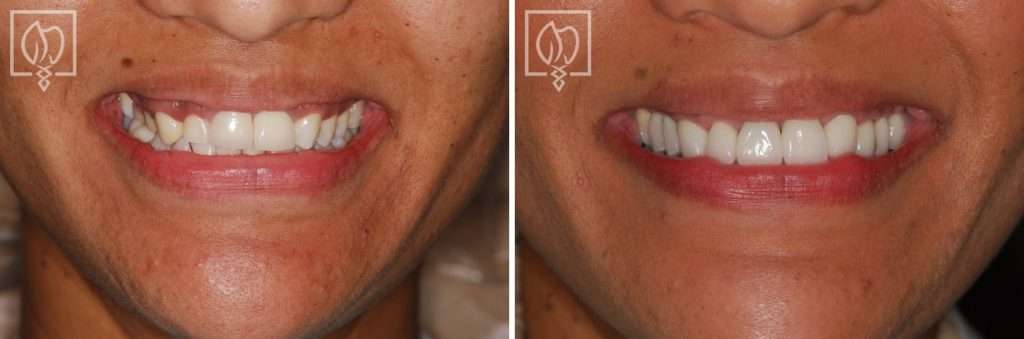
Multi-Faceted Treatment for Patient Unhappy With Her Artificial-Looking Crowns, Teeth and Gums
Many patients come to Elite Prosthetic Dentistry unhappy with the appearance of their smile. However, this particular patient presented with multiple interconnected problems that together created a smile she found deeply unsatisfying.
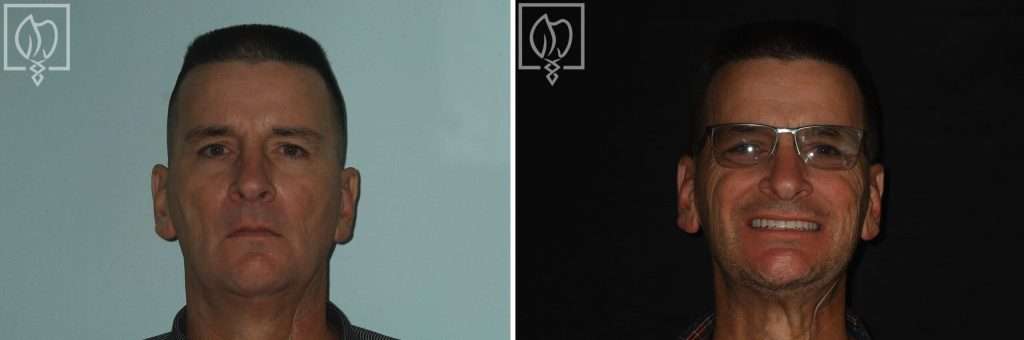
Treating Kevin’s Collapsed Bite with a Complete Smile Makeover with New Dentures
Dentures are sometimes not created to the ideal aesthetic and functional scheme. When improperly fabricated, dentures can make an individual appear almost a generation older than their actual age. They can have a poor fit that feels loose and unstable when eating or speaking, and they can actually accelerate bone loss over time.

Salvaging Ms. N’s Severely Broken-Down Upper and Lower Teeth from Gum and Bone Disease
Many people in the U.S. suffer from extensive periodontal disease characterized by significant bone loss and shrinkage of the gum tissue. This condition can begin at a very young age and worsen quickly due to hereditary factors and lack of early diagnosis by their dentist.
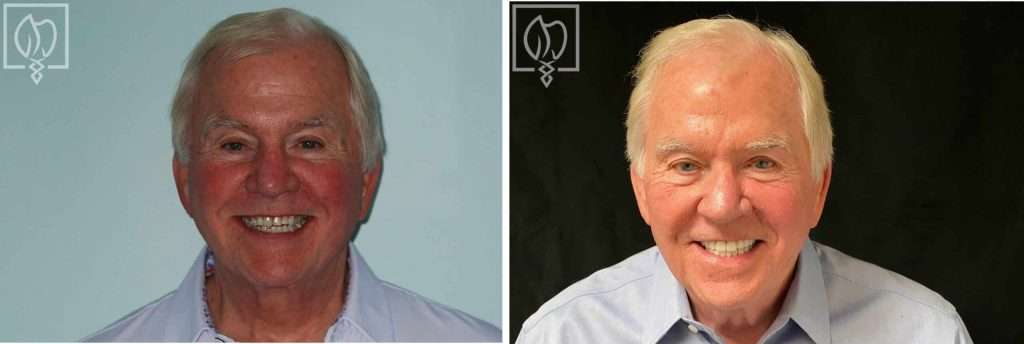
A Smile Transformation in Just Four Months: A Patient’s Dental Crown Restoration for a TV Series
A patient with dental crowns that were in poor shape was going to appear on a streaming video series on a major TV network that was scheduled to begin filming soon. Our patient, John, an author about to embark on a book tour, was anxious as his teeth were not up to his standards to appear on television.
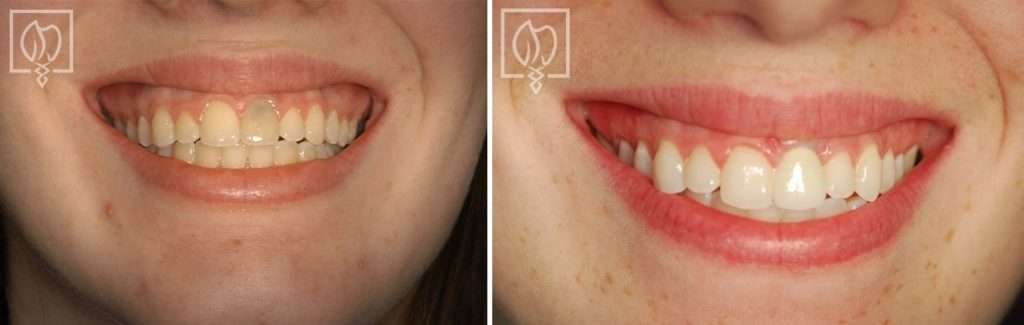
Replacing a Discolored Front Tooth with a Precision Placed Implant
Some of the most challenging restorations occur when fabricating an anterior crown to fit on an implant. Not only does one have the difficulty of matching the single front tooth to the other ones in the high visibility zone, but the dentist must also ensure the position of the underlying implant is precise through accurate preplanning and placement.
Our Services in Bethesda
Beyond veneer-fell-off, Bethesda patients rely on Dr. Gerald Marlin for a full range of advanced dental care.
More services available in Bethesda:
veneer-fell-off Near Bethesda
Dr. Gerald Marlin also provides veneer-fell-off services for patients in these neighboring communities.
Getting Here from Bethesda
Elite Prosthetic Dentistry is conveniently located near Bethesda, MD.
From downtown Bethesda, take Wisconsin Avenue north toward the Bethesda Chevy Chase High School area. Our practice is conveniently located just north of the Metro station.
Address:
4400 Jenifer Street NW, Suite 220
Washington, DC 20015
Phone: (202) 244-2101
Schedule ConsultationSchedule Your Consultation from Bethesda
Bethesda residents trust Dr. Gerald Marlin for precision dental care. With 3,900+ implants placed and 40+ years of experience, your smile is in expert hands.