
Full Mouth Reconstruction Revision in Palisades, DC
Palisades reconstruction revision specialist. Dr. Marlin treats failing reconstructions, implant problems, and bite issues.
Palisades Reconstruction Revision: Expert Care Within Minutes
Palisades residents enjoy some of Washington DC’s most distinctive architecture and established community character. The neighborhood’s tree-lined streets and federal-era homes reflect a commitment to quality and stability that resonates with residents seeking the same qualities in their dental care.
Our Georgetown office sits just 5 minutes south via MacArthur Boulevard NW, placing world-class prosthodontic expertise virtually at the edge of your neighborhood. This proximity matters profoundly when you’re managing a failing reconstruction. Multiple consultation appointments, assessment visits, and post-revision adjustments accumulate quickly. Being just 5 minutes away means you can address your dental crisis without it becoming a logistical burden.
More importantly, proximity means accessibility. If concerns arise during recovery, you can reach Dr. Marlin within hours, not days. This immediate access to prosthodontic expertise prevents minor issues from becoming major complications.
Understanding Why Reconstructions Fail
Reconstruction failure doesn’t occur randomly. Behind every failing reconstruction lies one or more specific mechanical, biological, or design failures. Understanding these patterns helps you recognize whether your situation is salvageable through revision or requires more extensive intervention.
Bite Collapse and Vertical Dimension Loss
One of the most common failure patterns involves gradual loss of vertical dimension. Your initial reconstruction established a specific relationship between your upper and lower jaws. This vertical dimension affects how your teeth contact, how forces distribute through your restoration, and how your facial proportions appear.
Over time, several mechanisms can reduce this dimension. Ceramic crowns wear at their occlusal surfaces. Composite materials compress under bite force. Implant-supported restorations can shift slightly as bone remodels around implant fixtures. Even natural teeth can erupt slightly, changing the bite relationship.
As vertical dimension decreases, your teeth contact differently. The anterior teeth may develop an open bite, creating functional problems and esthetic concerns. Posterior teeth may develop excessive contact, concentrating force in narrow areas rather than distributing it broadly. This force concentration accelerates wear and increases failure risk.
In revision, we assess your current vertical dimension against your original reconstruction records and your individual anatomy. We determine whether restoring original vertical dimension is appropriate or whether your neuromuscular system has adapted to the reduced dimension. We establish the correct dimension for your revised reconstruction, accounting for both biomechanical principles and your individual situation.
Implant-Supported Restoration Failure Patterns
All-on-4 implant reconstructions and other implant-supported approaches are powerful treatment solutions, but they can fail. Failure patterns differ from tooth-supported reconstructions.
Implants don’t move like natural teeth. This means if your bite is excessive or imbalanced, implants absorb all that force without the compensatory movement that natural teeth provide. Over time, excessive force can cause implant bone loss, screw loosening, or abutment fracture.
Cement failure in implant-supported restorations creates particular problems. Unlike tooth-supported crowns where cement failure allows removal and recementation, implant-supported restorations may be screw-retained. If cement fails in a screw-retained crown, the entire restoration may need removal.
Component fracture also occurs. Abutment screws fracture under excessive force. Abutment bodies fracture. Implant bodies themselves rarely fracture, but when they do, they cannot be repaired.
Some All-on-4 reconstructions fail because the original treatment plan didn’t account for the patient’s existing bone anatomy or bite force. An All-on-4 approach works superbly for some patients but creates excessive force concentration for others. Revision may involve converting from All-on-4 to a six-implant or eight-implant approach, spreading forces across more fixtures.
Ceramic Fracture and Material Fatigue
Ceramic crowns and veneers are highly esthetic but fracture under excessive force. Ceramic failure typically occurs in two patterns. Bulk fracture involves large pieces of crown breaking away, usually from excessive bite force applied at an unfavorable angle. Veneer separation involves the ceramic coating separating from its underlying metal or zirconia substrate, usually from cyclic force stress.
Some ceramic failures result from inadequate thickness. Certain tooth positions demand specific ceramic thicknesses to resist fracture. If your original reconstruction used inadequate thickness to maximize esthetics, fracture becomes likely.
Others result from chipping, where small ceramic fragments break away from the edge of a crown or from an existing restoration. Each chip weakens the restoration, increasing likelihood of subsequent failure.
In revision, we assess whether ceramic can be repaired, replaced, or replaced with a more durable material. We also analyze your bite to determine whether excessive force contributed to fracture.
Cement and Margin Failure
The adhesive cement bonding your crowns to your teeth or implants represents a structural component, not merely a filling material. When cement fails, the crown loses retention and becomes mobile. Saliva can reach the interface beneath the crown, accelerating decay of any underlying natural tooth structure.
Margin failure involves breakdown of the interface between the crown and the tooth preparation edge. This may occur due to under-contoured preparations, inadequate surface treatment, poor cement selection, or cyclic stress over time.
Some reconstructions fail because the original dentist selected a temporary cement when a permanent cement was needed, or vice versa. Different cements work optimally under different conditions.
In revision, we assess margin integrity with magnification and imaging. We determine whether margins can be restored through crown replacement or whether the underlying preparation must be refinished.
Periodontal and Bone Loss Complications
Bone loss beneath crowns indicates underlying problems. The causes might include improper bite forces causing inflammatory responses, inadequate hygiene allowing periodontal disease progression, or implant placement that violated biological width principles.
Assessing bone loss requires cone beam imaging to visualize three-dimensional bone anatomy. We determine whether bone loss results from the original reconstruction causing chronic overload or from other factors like periodontal disease. We identify which teeth have lost bone and whether the pattern suggests biomechanical causes or pathological causes.
Some patients with bone loss benefit from revision that addresses the underlying bite problem. Others require periodontal intervention before or concurrent with prosthodontic revision.
TMJ and Occlusal Dysfunction
Reconstruction can alter your bite relationship in ways that stress your temporomandibular joint. Improper vertical dimension, inadequate lateral guidance, or unbalanced contacts can cause TMJ symptoms, clicking, or pain.
Some patients develop muscle pain from years of compensation for an improper bite. The muscles on one side of your jaw might be chronically overworked while the opposite side is underused. This creates muscle imbalance and pain.
In revision, we analyze your jaw movement patterns, assess your joint health, and establish a bite that distributes forces symmetrically and reduces compensatory muscle activity.
Clinical Assessment for Palisades Patients
Your evaluation includes thorough assessment of multiple systems working together in your mouth.
Diagnostic Imaging and Analysis
Cone beam computed tomography imaging reveals bone anatomy, implant position and condition, and structural integrity of existing restorations. We measure bone levels to assess whether bone loss has occurred. We assess implant fixture angles and positions to understand how they accept forces.
We also take photographs from multiple angles to assess esthetic factors, examine your natural tooth structure, and document the existing reconstruction.
Vertical Dimension and Jaw Position
We assess your current vertical dimension and compare it against your original reconstruction records and your individual anatomy. We evaluate your jaw position in centric relation and assess whether your current position is stable or if your jaw is being held in an adapted position due to bite problems.
We evaluate your anterior guidance, the relationship between your front teeth as your jaw moves. Proper anterior guidance should allow smooth, friction-free movement of your front teeth while protecting your back teeth from excessive force.
Occlusal Force Analysis
We assess your bite force characteristics, the overall force your muscles can generate and the way that force distributes across your restored teeth. Some patients generate exceptionally high bite force. Others have neuromuscular adaptations that concentrate force in certain areas.
Restoration Integrity Assessment
We evaluate each crown, implant restoration, or other component. We assess margins, color, shape, contact points, and stability. We identify restorations that are failing and those that remain healthy.
Periodontal Health
We assess periodontal health around both natural and implant-supported teeth. We evaluate bone levels, pocket depth, and bleeding. We identify areas of concern that might have contributed to reconstruction failure.
Esthetic Enhancement During Reconstruction Revision
Reconstruction revision sometimes provides opportunity to address esthetic concerns you may have tolerated during your original reconstruction.
Tooth Position and Proportion
Your front teeth position affects your smile appearance and your self-confidence. If your original reconstruction positioned your front teeth in a way that you found suboptimal, revision can adjust their position, shape, or proportion.
Color and Surface Characteristics
Your restored teeth color can be modified if you desire. Some patients choose to brighten their smile. Others choose a more natural shade. We can also refine surface characteristics like texture and translucency to achieve a more natural appearance.
Smile Line and Visibility
Some patients have concerns about tooth visibility when smiling or at rest. Revision allows adjustment of tooth positioning to optimize your smile appearance.
We discuss these possibilities during revision planning, and your input guides decisions about what changes to make. If smile changes are desired, the interim phase of treatment lets you confirm changes before permanent placement.
Preventing Revision Failure
The legitimate concern that a revision might fail again deserves serious attention. Prevention requires understanding exactly what caused the original failure and designing a revision that specifically addresses those causes.
This is where experienced prosthodontic expertise becomes critical. A prosthodontist who has treated hundreds of reconstruction failures recognizes patterns and understands causal relationships. A dentist treating reconstruction failure as an occasional complication may miss fundamental design principles.
Bite Force Management
Controlling bite force prevents recurrence of failure caused by excessive force. This might involve material selection for durability. It might involve improving your bite balance to distribute forces more evenly. It might involve modifying your bite to reduce the forces that concentrated areas must absorb.
Material Selection for Durability
We select materials appropriate for your bite force, esthetics, and functional demands. Gold provides maximum durability and is ideal for areas receiving high forces, but has esthetic limitations. Zirconia offers excellent durability with better esthetics. High-quality porcelain-fused-to-metal provides a proven combination. Composite allows adjustment but requires periodic maintenance.
Implant Design When Indicated
If implants are part of your revision, we select implant position, angulation, number, and design to distribute forces appropriately. Sometimes converting from All-on-4 to a six or eight-implant approach provides better force distribution and reduces failure risk.
Periodontal Foundation
A reconstruction succeeds only if the teeth or implants supporting it are healthy. We address any periodontal concerns before revision completion.
Getting Here from Palisades
MacArthur Boulevard NW runs directly from Palisades south into Georgetown. Our office is located just 5 minutes south via MacArthur Boulevard NW. This is one of the shortest drives from any surrounding Palisades neighborhood. Traffic is rarely significant on MacArthur Boulevard, even during rush hours.
Our office parking accommodates patients easily, and we’re accessible by public transportation if you prefer.
The Role of Prosthodontic Specialization in Revision Success
Prosthodontics is the dental specialty dedicated to restoration and replacement of teeth. A prosthodontist completes two to three additional years of training beyond dental school, focusing specifically on bite mechanics, materials science, implant prosthodontics, and complex restoration design.
This specialization matters substantially for reconstruction revision. A general dentist receives prosthodontics training as one of many topics. A prosthodontist’s entire training centers on understanding why reconstructions fail and how to create ones that succeed.
For complex revision cases involving failed implants, bite problems, multiple material types, and esthetic concerns, specialized expertise becomes essential. A prosthodontist approaches these cases differently than a general dentist because the entire foundation of their training addresses exactly these problems.
Extended Follow-Up and Success Monitoring
After revision completion, we maintain close attention during the first 6 months. We schedule regular examinations to assess healing, check bite stability, and make any needed adjustments.
We evaluate your adaptation to the new restoration. Some patients require a brief adjustment period as they adapt to changes in bite or texture. We make these adjustments promptly.
We also monitor for any emerging problems. If slight margins begin to open, or if a restoration develops slight movement, we address these issues before they become major problems.
This follow-up commitment ensures your revision succeeds and that any emerging problems are caught early.
Second Opinions and Confidence Building
Getting a second opinion on a failing reconstruction is wise and appropriate. We welcome providing our evaluation and recommendations. You might get other opinions if you wish. We’re confident in our assessment and approach.
We want you confident before proceeding with treatment. A well-informed patient is an engaged patient. Confident patients experience better treatment results.
Comprehensive Restoration Solutions
Your revision might involve full mouth reconstruction if your entire dentition requires treatment. It might involve partial revision if only certain teeth have failed. We recommend the scope of treatment that addresses your actual problems rather than recommending unnecessary treatment.
We explain our recommendations clearly, with specific reference to what failed and why revision addresses those failures.
Implant Restoration Considerations
If your reconstruction involves implants, we assess their health, position, and integration. We evaluate whether implants should be retained, whether additional implants should be placed, or whether alternative approaches would serve you better.
Some failing All-on-4 reconstructions are improved by placing additional implants. Others benefit from modifying the bite forces distributed to existing implants.
Related Resources
- Full Mouth Reconstruction Failure: Overview of why reconstructions fail and revision options
- Full Mouth Reconstruction: Proper reconstruction planning and prosthodontic design
- Dental Implants in Palisades: Implant-supported solutions for reconstruction
- Repairing Failing Implants: Solutions for implant problems
- Second Opinion Dentistry: Expert evaluation of your reconstruction
- Meet Dr. Gerald Marlin: His training and approach to complex cases
- In-House Laboratory: How our laboratory enables superior outcomes
- Patient Success Stories: Results from complex reconstruction cases
- Schedule Your Consultation: Begin your reconstruction revision evaluation
Your Palisades Reconstruction Revision
If you’re a Palisades resident with a failing reconstruction, you’re minutes away from expert prosthodontic care. The convenience of accessing Dr. Marlin means you can address your dental situation promptly without significant life disruption.
Schedule a consultation with Dr. Marlin and understand precisely what failed, why it failed, and what your options are for revision.
Schedule Your Consultation or call (202) 244-2101 to discuss your reconstruction revision needs.
Frequently Asked Questions
If my reconstruction is failing, should I be concerned about bone loss beneath my crowns?
Bone loss beneath crowns is concerning and indicates problems. The causes might include improper bite forces, inadequate hygiene, or periodontal disease. In revision, we assess bone levels with cone beam imaging. We determine whether bone loss is from the original reconstruction causing overload or from other factors. We address the underlying causes to prevent recurrence.
Can aesthetic flaws in my smile be addressed during reconstruction revision?
Often yes. If your reconstruction has esthetic limitations, revision provides opportunity to improve them. Your front teeth positioning, color, shape, or proportion might be adjusted. We discuss these possibilities during revision planning. Your input guides decisions about what changes to make.
What if I'm concerned my reconstruction might fail again?
That concern is valid and we take it seriously. Prevention requires understanding exactly what caused the original failure and designing a revision that specifically addresses that. We discuss causation thoroughly. We explain how the revision design prevents recurrence. We include extended follow-up to ensure the revision is succeeding.
How does the experience level of the dentist affect whether a reconstruction succeeds or fails?
Substantially. Experienced prosthodontists understand occlusal principles, material science, and implant prosthodontics deeply. They recognize failure patterns others might miss. They design restorations accounting for principles less experienced dentists might overlook. For complex revision cases, experienced expertise matters profoundly.
Can I get a second opinion on my failing reconstruction before committing to revision?
Absolutely. Getting a second opinion is wise for major treatment. We provide our evaluation and recommendations. You can get other opinions if you wish. We're confident in our assessment and approach. We want you confident before proceeding.
Related Patient Success Stories
Explore similar patient success stories demonstrating our expertise in advanced prosthetic dentistry.
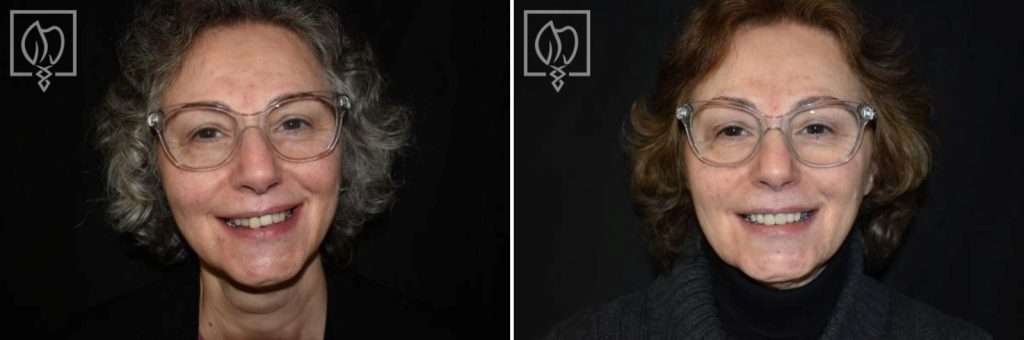
Temporary Crowns Restore Patient's Smile in Just One Day with an Immediate Smile Makeover
A patient from Potomac, Maryland, came to Elite Prosthetic Dentistry with the chief complaint of pain from a failing dental implant and its significant impact on her appearance.
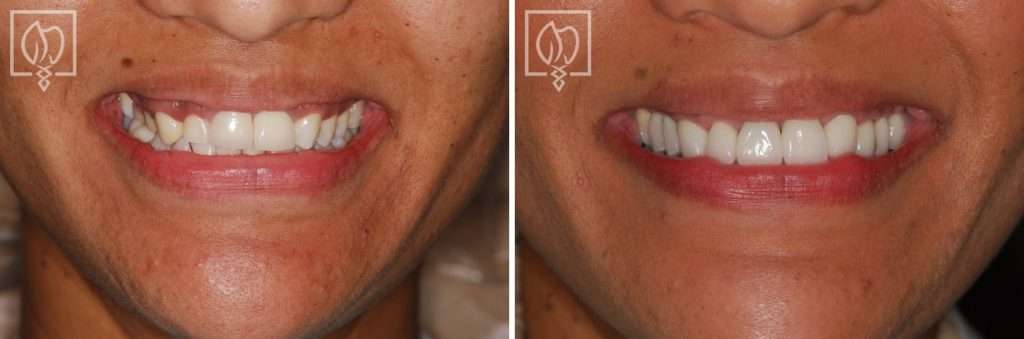
Multi-Faceted Treatment for Patient Unhappy With Her Artificial-Looking Crowns, Teeth and Gums
Many patients come to Elite Prosthetic Dentistry unhappy with the appearance of their smile. However, this particular patient presented with multiple interconnected problems that together created a smile she found deeply unsatisfying.
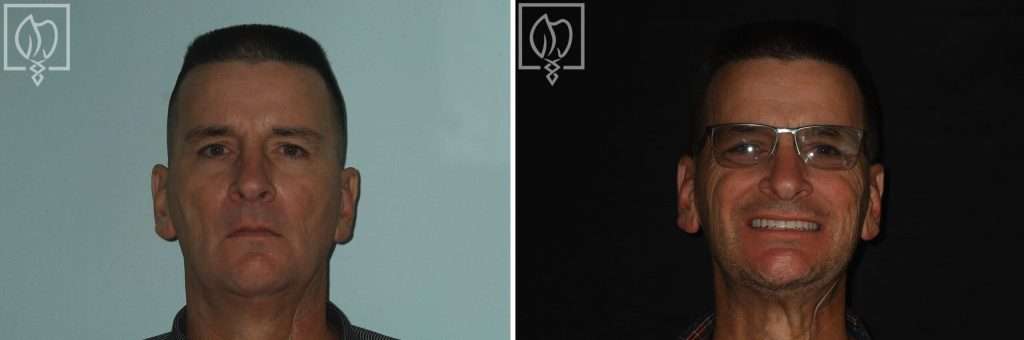
Treating Kevin’s Collapsed Bite with a Complete Smile Makeover with New Dentures
Dentures are sometimes not created to the ideal aesthetic and functional scheme. When improperly fabricated, dentures can make an individual appear almost a generation older than their actual age. They can have a poor fit that feels loose and unstable when eating or speaking, and they can actually accelerate bone loss over time.
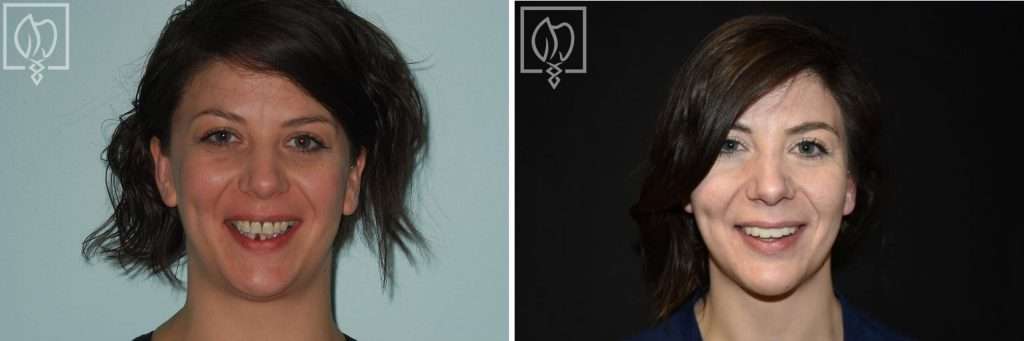
Salvaging Ms. N’s Severely Broken-Down Upper and Lower Teeth from Gum and Bone Disease
Many people in the U.S. suffer from extensive periodontal disease characterized by significant bone loss and shrinkage of the gum tissue. This condition can begin at a very young age and worsen quickly due to hereditary factors and lack of early diagnosis by their dentist.
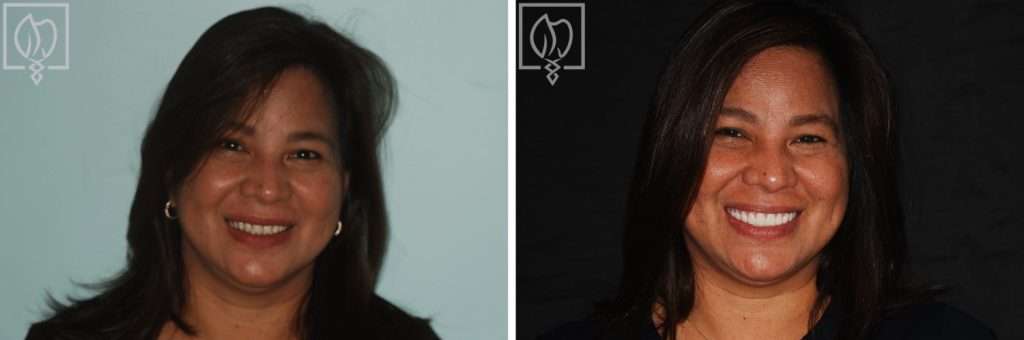
Rejuvenating Maria’s Severely Worn Down Implant Overdentures
Many times, per year, patients come to us frustrated because their implant prosthesis is so severely worn down that they are very self-conscious and cover up their smile. They look and feel much older than their age as a result of the extensive wear of their appliance(s).
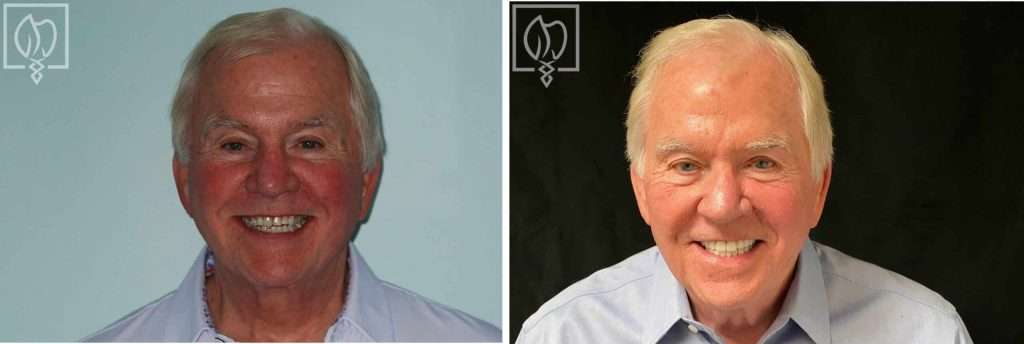
A Smile Transformation in Just Four Months: A Patient’s Dental Crown Restoration for a TV Series
A patient with dental crowns that were in poor shape was going to appear on a streaming video series on a major TV network that was scheduled to begin filming soon. Our patient, John, an author about to embark on a book tour, was anxious as his teeth were not up to his standards to appear on television.
Related Articles
Deepen your knowledge with additional insights on this topic.
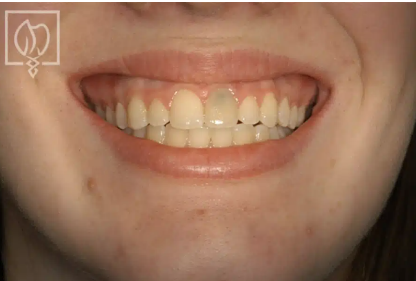 Dental Implants
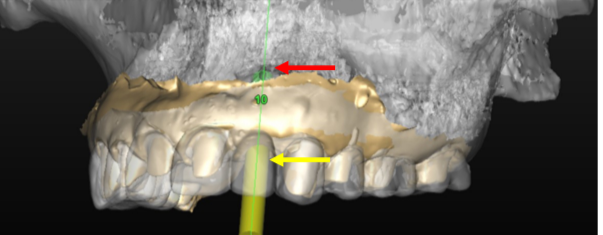
 If a Single Front Tooth is Replaced with an Implant, can it Look Natural?
A single front tooth implant can look completely natural with precision placement, custom abutments, and hand-crafted porcelain crowns. Washington, DC.
 Dental Implants
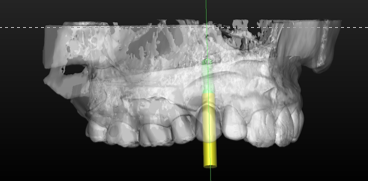
 What is Precision Implant Placement (PIP)?
Learn what Precision Implant Placement (PIP) is and how meticulous planning ensures optimal implant positioning for long-lasting results in Washington, DC.
 Dental Implants
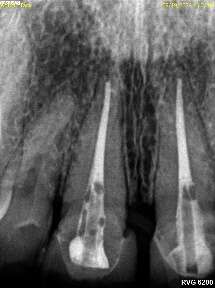
 What is the ideal Surgical Guide for Precision Implant Placement?
CBCT-based surgical guides allow virtual implant planning for precise positioning in optimal bone, ensuring predictable results in Washington, DC.
 Dental Implants
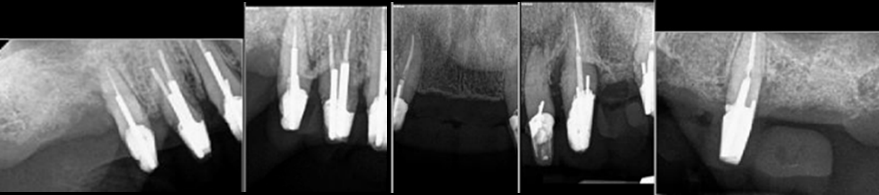
 When Should an Implant not be Done?
Not every patient is a candidate for dental implants. Learn when healthy roots, fragile bone, or steep angles may make alternatives the better choice.
 Dental Implants
 What is Staged Implant Therapy?
Staged implant therapy replaces teeth gradually using existing teeth as temporary support. A personalized alternative to All-on-X for full-arch cases.
Unveiling the Four Types of Dental Implants: Which One's for You?
Learn about the four types of dental implants - endosteal, subperiosteal, zygomatic, and mini implants - and which option may be right for your needs.
Our Services in Palisades
Beyond reconstruction-revision, Palisades patients rely on Dr. Gerald Marlin for a full range of advanced dental care.
More services available in Palisades:
reconstruction-revision Near Palisades
Dr. Gerald Marlin also provides reconstruction-revision services for patients in these neighboring communities.
Getting Here from Palisades
Elite Prosthetic Dentistry is conveniently located near Palisades, DC.
Palisades residents reach our office 5 minutes via MacArthur Boulevard NW
Address:
4400 Jenifer Street NW, Suite 220
Washington, DC 20015
Phone: (202) 244-2101
Schedule ConsultationSchedule Your Consultation from Palisades
Palisades residents trust Dr. Gerald Marlin for precision dental care. With 3,900+ implants placed and 40+ years of experience, your smile is in expert hands.