
Sinus Augmentation in Washington, DC
Sinus augmentation at Elite Prosthetic Dentistry. Dr. Marlin performs sinus lifts to build bone for upper jaw dental implant placement.
Expanding Bone Height in the Upper Jaw for Predictable Implant Success

What is Sinus Augmentation?
Sinus augmentation, also known as a sinus lift, is a specialized bone grafting procedure that increases bone volume in the upper back jaw. This area, near the premolars and molars, is often limited by the presence of the maxillary sinus. If the bone is too thin or has shrunk over time, placing dental implants becomes risky. A sinus lift allows us to gently move the sinus membrane upward and place bone graft material beneath it, creating a stable foundation for implant placement.
The maxillary sinus is a large air-filled cavity located above the roots of the upper back teeth. When teeth are present and functional, the bone beneath the sinus floor is maintained through the stimulation created by chewing forces. However, when these teeth are lost, the bone begins to resorb, and the sinus may expand downward into the space previously occupied by bone. In some cases, particularly when teeth have been missing for many years, the sinus floor can descend so far that insufficient bone remains for safe implant placement. This anatomical challenge has historically prevented many patients from pursuing dental implants in the upper back jaw. Sinus augmentation changed this outcome and opened the door to implant therapy for countless patients.
The procedure is performed with sophisticated anatomical planning and meticulous surgical technique. Dr. Marlin approaches the sinus from the side of the upper jaw, carefully elevates the sinus membrane, and places bone graft material in the newly created space. The graft provides the bone height needed for implant placement, while the preserved sinus membrane acts as a biological barrier that promotes bone formation. Modern sinus augmentation has become highly predictable, with success rates exceeding 95% in experienced hands.
Why Might You Need a Sinus Lift?
When teeth in the upper back jaw are lost, the surrounding bone often deteriorates. At the same time, the sinus may expand downward, reducing available bone height. Without enough bone, dental implants cannot anchor securely. Sinus augmentation solves this problem by restoring vertical bone height in preparation for implants. It’s a highly effective solution for patients who otherwise wouldn’t be candidates for upper implants.
There are several clinical scenarios that may indicate the need for sinus augmentation. If you’re missing one or more upper back teeth and have experienced bone loss, your dentist may recommend a preliminary sinus augmentation before placing implants. Sinus augmentation is a specialized surgical procedure requiring advanced training in bone grafting biology, surgical technique, and 3D anatomical planning. A consultation with Dr. Marlin, whose specialty training emphasizes complex bone regeneration and surgical implant placement, may reveal that sinus augmentation could make you a candidate when you might have previously been told reconstruction was not possible.
The amount of bone height available in the upper back jaw varies significantly from patient to patient. While some individuals maintain reasonably good bone height despite tooth loss, others experience rapid and extensive resorption. Factors that influence the degree of bone loss include the duration of tooth loss, individual metabolism and bone density, habits like smoking that can compromise healing, and overall health factors. Additionally, some patients have inherited thinner bone in this area to begin with. Sinus augmentation addresses all of these scenarios by providing additional bone height regardless of the underlying cause of the deficiency. In some cases, sinus augmentation is performed alongside ridge augmentation to address both vertical and horizontal bone deficits in preparation for implant placement.
Our Sinus Augmentation Process
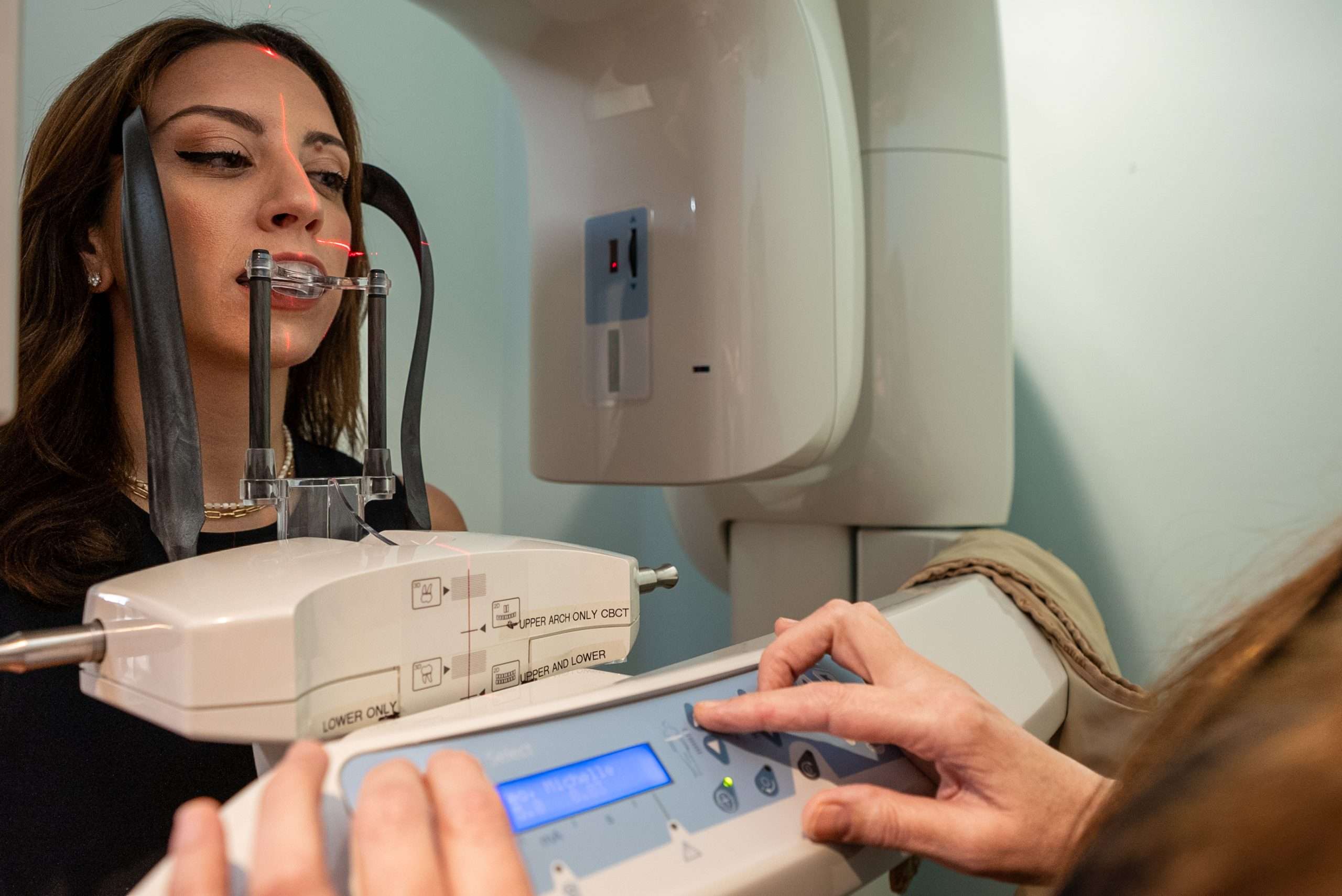
Dr. Marlin uses high-resolution CBCT scans to plan your procedure with precision. Three-dimensional imaging allows him to measure bone height and width in the exact areas where implants will eventually be placed. The scans also show the position and size of your sinus, allowing Dr. Marlin to determine the ideal approach and calculate exactly how much bone height needs to be created.
During surgery, a small window is created in the side of the upper jaw through careful incisions in the gum tissue. This window provides access to the sinus membrane. The membrane is carefully and gently lifted away from the sinus floor, creating a tent-like space beneath the sinus. This is delicate work that requires significant skill and experience. The sinus membrane, or Schneiderian membrane, is a thin but vital structure that must be preserved to ensure successful bone formation and to maintain sinus health.
Once the sinus membrane has been carefully elevated, bone graft material is placed into the newly created space. The graft material may consist of your own bone harvested from the same area, synthetic bone substitutes, allogeneic (donor) bone, or xenogenic (animal-derived) bone. Dr. Marlin selects the most appropriate material based on the extent of augmentation needed, your individual healing capacity, and your preferences. Over the next several months, your body integrates this graft, forming solid bone capable of supporting long-lasting implants.
The Healing Timeline After Sinus Augmentation
Understanding the healing process helps you prepare for your recovery and sets realistic expectations. The initial surgical healing phase typically lasts two to three weeks, during which the soft tissues close and begin to stabilize. During this time, some swelling and mild discomfort are normal and expected. Most patients are able to return to light activities within one to two weeks, though strenuous exercise should be avoided.
The bone graft undergoes a more extended integration period. The graft material gradually becomes incorporated into your existing bone through a process called osseointegration. This remodeling and integration process can take anywhere from four to nine months, depending on the volume of bone augmented and the specific materials used. During this period, the graft transitions from a foreign material to living, vital bone that has become part of your jaw.
Once bone integration is complete, Dr. Marlin will obtain new imaging to confirm that adequate bone height and width have been achieved. Only then can dental implants be safely placed. In some cases, if adequate bone is present from the start, a sinus augmentation and implant placement can be performed simultaneously, allowing both procedures to heal together and potentially shortening the overall treatment timeline. However, this simultaneous approach is only possible in specific clinical situations where your anatomy supports it.
Comfortable Expert Care You Can Trust
At Elite Prosthetic Dentistry, sinus lifts are performed with meticulous attention to detail and your comfort in mind. We offer sedation options for those who prefer a more relaxed experience, and we take pride in helping patients who were previously told they weren’t candidates for implants finally receive the restoration they deserve.
Dr. Marlin has performed sinus augmentation procedures as part of his comprehensive implant therapy for decades. With decades of prosthodontic experience and having surgically placed and restored more than 3,900 dental implants, he brings a level of expertise and confidence to sinus lift surgery that translates directly to your comfort and successful outcomes.
The procedure itself is performed under local anesthesia, and many patients choose to add sedation for a more relaxed experience. Our surgical team prioritizes your comfort throughout, and we provide clear post-operative instructions to support your healing. Most patients are pleasantly surprised by how manageable their recovery is and by the minimal discomfort they experience. The payoff is significant: restored bone height that opens the door to permanent, tooth-like implants that can transform your ability to eat, speak, and smile with confidence. Whether you need a single implant or full mouth dental implants, proper bone height is the first step toward a lasting restoration.
Your Pathway to Dental Implants
Sinus augmentation is typically the first step in a carefully planned implant journey. Once healing is complete, Dr. Marlin uses precision implant placement techniques with CT-guided surgical planning to position your implants for optimal long-term success. The final restoration, whether a custom-crafted crown for a single tooth or a full arch prosthesis, is fabricated in our in-house laboratory. Sedation dentistry is available for patients who prefer additional comfort during surgical procedures.
Frequently Asked Questions
Does everyone need a sinus lift before getting implants?
Not always. This is only needed if there is insufficient bone height in the upper jaw to support an implant.How long does healing take after a sinus lift?
Most patients require about 4 to 9 months of healing before implants can be placed, depending on the extent of grafting.Is the sinus augmentation procedure painful?
The procedure is performed under local anesthesia, and most patients experience only mild swelling or discomfort afterward.Can a sinus lift be done at the same time as implant placement?
In some cases, yes. If there's enough existing bone for initial implant stability, both procedures can be done simultaneously.What are the risks of sinus augmentation?
Sinus lift surgery is safe when performed by an experienced prosthodontist, though rare risks include sinus membrane perforation or infection.Your Best Smile Is Within Reach
Schedule a consultation with Dr. Gerald Marlin to discuss your treatment options and take the first step toward a healthier, more confident smile.
Related Patient Success Stories
Explore similar patient success stories demonstrating our expertise in advanced prosthetic dentistry.

Temporary Crowns Restore Patient's Smile in Just One Day with an Immediate Smile Makeover
A patient from Potomac, Maryland, came to Elite Prosthetic Dentistry with the chief complaint of pain from a failing dental implant and its significant impact on her appearance.
Multi-Faceted Treatment for Patient Unhappy With Her Artificial-Looking Crowns, Teeth and Gums
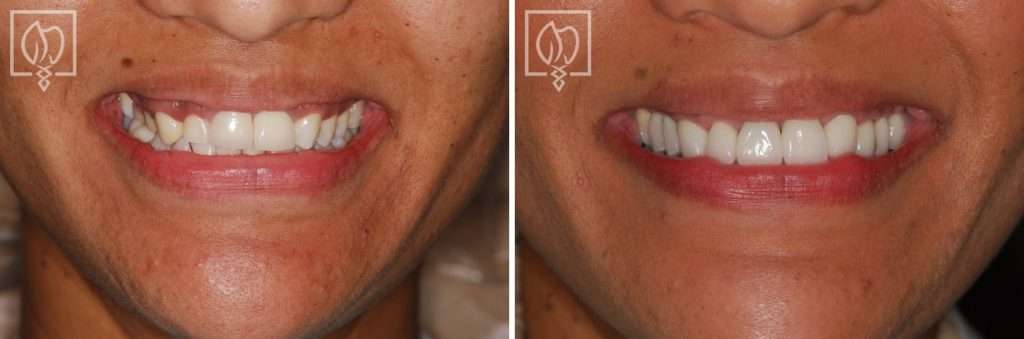
Many patients come to Elite Prosthetic Dentistry unhappy with the appearance of their smile. However, this particular patient presented with multiple interconnected problems that together created a smile she found deeply unsatisfying.

Treating Kevin’s Collapsed Bite with a Complete Smile Makeover with New Dentures
Dentures are sometimes not created to the ideal aesthetic and functional scheme. When improperly fabricated, dentures can make an individual appear almost a generation older than their actual age. They can have a poor fit that feels loose and unstable when eating or speaking, and they can actually accelerate bone loss over time.

Salvaging Ms. N’s Severely Broken-Down Upper and Lower Teeth from Gum and Bone Disease
Many people in the U.S. suffer from extensive periodontal disease characterized by significant bone loss and shrinkage of the gum tissue. This condition can begin at a very young age and worsen quickly due to hereditary factors and lack of early diagnosis by their dentist.

Rejuvenating Maria’s Severely Worn Down Implant Overdentures
Many times, per year, patients come to us frustrated because their implant prosthesis is so severely worn down that they are very self-conscious and cover up their smile. They look and feel much older than their age as a result of the extensive wear of their appliance(s).
Replacing a Discolored Front Tooth with a Precision Placed Implant
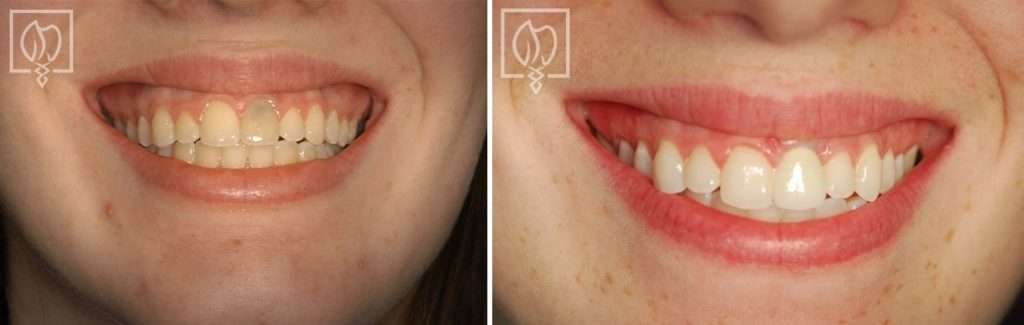
Some of the most challenging restorations occur when fabricating an anterior crown to fit on an implant. Not only does one have the difficulty of matching the single front tooth to the other ones in the high visibility zone, but the dentist must also ensure the position of the underlying implant is precise through accurate preplanning and placement.
Related Articles
Deepen your knowledge with additional insights on this topic.
 Dental Implants
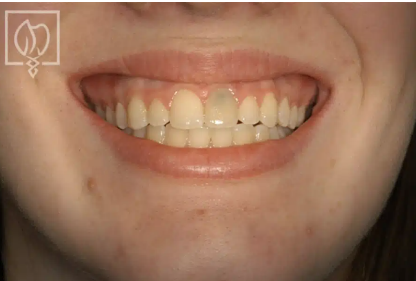
 If a Single Front Tooth is Replaced with an Implant, can it Look Natural?
A single front tooth implant can look completely natural with precision placement, custom abutments, and hand-crafted porcelain crowns. Washington, DC.
 Dental Implants
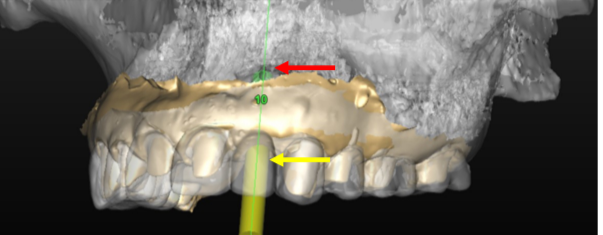
 What is Precision Implant Placement (PIP)?
Learn what Precision Implant Placement (PIP) is and how meticulous planning ensures optimal implant positioning for long-lasting results in Washington, DC.
 Dental Implants
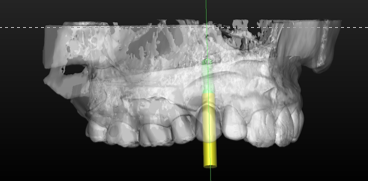
 What is the ideal Surgical Guide for Precision Implant Placement?
CBCT-based surgical guides allow virtual implant planning for precise positioning in optimal bone, ensuring predictable results in Washington, DC.
 Dental Implants
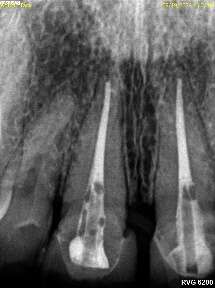
 When Should an Implant not be Done?
Not every patient is a candidate for dental implants. Learn when healthy roots, fragile bone, or steep angles may make alternatives the better choice.
 Dental Implants
 What is Staged Implant Therapy?
Staged implant therapy replaces teeth gradually using existing teeth as temporary support. A personalized alternative to All-on-X for full-arch cases.
Unveiling the Four Types of Dental Implants: Which One's for You?
Learn about the four types of dental implants - endosteal, subperiosteal, zygomatic, and mini implants - and which option may be right for your needs.
Ready to Transform Your Smile?
With 40+ years of experience and 3,900+ dental implants placed, Dr. Gerald Marlin delivers results that last. Schedule your consultation today.