
Full Mouth Reconstruction Revision in Arlington, VA
Failed full mouth reconstruction in Arlington? Dr. Marlin specializes in complex revision cases. Expert second opinions for bite collapse and failing restorations.
Understanding Reconstruction Failure in Arlington
Full mouth reconstructions fail for specific reasons, and Arlington residents experiencing bite problems, loose restorations, or progressive tooth damage after reconstruction deserve answers. The term “reconstruction failure” doesn’t mean the original dentist lacked skill. It means the original approach didn’t account for factors that would maintain long-term stability, or problems developed that weren’t anticipated during planning.
Arlington’s professionals, executives, and families depend on their teeth for confidence and function. When a reconstruction fails, you face not just clinical problems but also anxiety about investing time and money into dentistry again. This is exactly why Dr. Gerald Marlin specializes in this specific problem: helping patients move forward with solutions that address the root cause of the failure.
Common Reconstruction Failure Patterns
The most common failure pattern we see involves vertical dimension loss. This occurs when the vertical space between your upper and lower jaws gradually collapses. Early signs include restorations that feel loose, bite contacts that disappear on back teeth, and a worn appearance to your lower face. Vertical dimension collapse happens because the original reconstruction didn’t establish proper load distribution, causing accelerated wear on contact surfaces.
Another frequent pattern is sequential failure of multiple restorations placed at the same time. If you had restorations placed together and they’re failing together years later, this suggests a systematic problem rather than individual restoration issues. This might involve material selection incompatible with your bite force, improper preparation design, or inadequate support for the restorations.
Bite imbalance represents a different category of failure. Some reconstructions create an uneven bite where certain teeth contact heavily while others bear no load. This imbalance accelerates wear on the loaded teeth, causes jaw joint discomfort, and eventually creates bite collapse as those heavily loaded teeth deteriorate. You might notice that one side of your mouth feels sore after eating, or that your jaw clicks or pops.
Implant-related failures in reconstructions occur when implants were positioned without considering optimal prosthetic design. An implant placed slightly angled might create mechanical stress on the restoration above it, or multiple implants might be spaced in ways that create uneven stress distribution. These problems compound over time as the restoration and bone respond to forces they weren’t designed to handle.
The Arlington Advantage for Specialized Care
Arlington patients accessing our Georgetown office in just 15 minutes can reach a practice built specifically around complex prosthodontic problems. This proximity matters because revision cases often require multiple appointments for assessment, adjustments, and follow-up. The difference between a 45-minute drive and 15 minutes across multiple visits adds up substantially.
What distinguishes this practice from general dentistry is depth. Dr. Marlin earned his Master of Science degree in prosthodontics, meaning his training focused specifically on the biomechanics, materials science, and design principles underlying reconstructions. This isn’t the same as general dentistry training, which necessarily covers prosthodontics as one of many topics. When your reconstruction failed, you need someone whose expertise centers on exactly why reconstructions fail and how to prevent it next time.
Evaluating Your Specific Failure
The evaluation process for reconstruction revision differs substantially from standard restorative dentistry. We begin with comprehensive imaging including cone beam CT to assess bone levels around implants, if applicable, and to understand the structural relationship between your jaws. We take bite records using the same methodology used in initial reconstruction planning, then mount these on a face-bow to establish your exact vertical dimension, centric relation, and protrusive path.
We then evaluate each restored unit individually. Some teeth might be salvageable with adjustment. Others might need replacement. Still others might represent a sound investment to retain even if they’ll eventually need replacement, depending on your age and overall dental health. This is prosthodontic thinking: not every tooth needs to be treated the same way, and a treatment plan that preserves sound natural structure while strategically replacing compromised elements usually provides better long-term outcomes than wholesale replacement.
We document the specific ways your reconstruction failed. Did it lose vertical dimension? The restorations show a specific wear pattern. Are bite forces distributed unevenly? Articulation analysis reveals which teeth are over-loaded. Did material selection contribute? We examine the restoration materials and design. Understanding causation prevents repeating the same mistakes in your revision plan.
Reconstruction Revision Strategy
Revision reconstructions typically follow a phased approach. Phase one establishes a stable interim restoration that corrects the identified problems, particularly vertical dimension collapse or bite imbalance. This interim phase often lasts several months, allowing you to confirm the revised bite feels natural and your jaw joint stabilizes at the corrected vertical dimension.
Phase two, completed after the interim phase demonstrates the new bite is stable and comfortable, involves the definitive restoration. This might be a completely new full-arch restoration, or it might be selective replacement of the failing components within the existing reconstruction. The decision depends on your specific failure pattern and the condition of the remaining restorations.
Throughout this process, our in-house laboratory provides critical advantage. Most prosthodontic practices send laboratory work to external labs, creating communication delays and limiting the ability to make real-time adjustments. Our laboratory is here, allowing Dr. Marlin to adjust restorations immediately if they need modification, test different materials or designs, and problem-solve issues that emerge during treatment. This collaboration between doctor and laboratory craftsman is how complex cases succeed.
The Role of Dental Implants in Revision
Some reconstruction revisions involve dental implants. This might mean adding implants where teeth were lost since the original reconstruction, removing failed implants and replacing them, or repositioning existing implants through a secondary surgical procedure.
Implant positioning in reconstruction revision requires careful planning. The implant must be placed to support the prosthetic design, not the reverse. This sometimes means the implant position differs from what might seem most natural or easiest surgically. The prosthetic demands drive the surgical planning.
We also evaluate implant integration and bone loss around existing implants. Bone loss around implants can indicate overload, poor oral hygiene maintenance, or implant positioning issues. Some bone loss is acceptable and stabilizes over time. Significant loss might require implant removal and replacement, sometimes with bone augmentation to restore structure.
Getting Here from Arlington
From central Arlington, take I-66 East toward the District. Follow signs toward the Theodore Roosevelt Bridge or continue on I-66 toward the Whitehurst Freeway. Exit toward Georgetown and follow local directions to our Georgetown office. The drive takes approximately 15 minutes during off-peak hours. Alternatively, take the George Washington Parkway north from Arlington, which provides a scenic route that can be easier than the interstate, especially during rush periods.
Our office is located on the border between Georgetown and nearby neighborhoods, making it accessible from all Arlington locations. We have parking available, and our street location provides Metro bus access if you prefer not to drive.
Why Choose Dr. Marlin for Your Revision
Dr. Marlin’s approach to reconstruction revision begins with honesty about what failed and why. This isn’t about blaming the previous dentist or your previous treatment. It’s about understanding the specific factors that led to failure so your revision plan addresses those factors directly.
His experience with hundreds of revision cases means he’s seen virtually every failure pattern and understands the biomechanical principles that predict success or failure. He stays current with materials science advances, new techniques in implant prosthodontics, and evolving understanding of how bite forces interact with restorations over time.
Most importantly, he maintains realistic expectations. Some reconstructions fail because the original design was fundamentally flawed. Others fail because you changed, your jaw changed, or biological factors emerged that couldn’t be predicted. His goal isn’t to blame the past but to create a revision plan that accounts for these realities and builds in resilience.
Related Resources
If you’re considering reconstruction revision, these additional pages provide context:
- Full Mouth Reconstruction Failure: Overview of why reconstructions fail and revision options
- Full Mouth Reconstruction: Proper reconstruction planning and prosthodontic design
- Dental Implants in Arlington: Implant-supported solutions for reconstruction
- Repairing Failing Implants: Solutions for implant problems
- Second Opinion Dentistry: Expert evaluation of your reconstruction
- Meet Dr. Gerald Marlin: His training and approach to complex cases
- In-House Laboratory: How our laboratory enables superior outcomes
- Patient Success Stories: Results from complex reconstruction cases
- Schedule Your Consultation: Begin your reconstruction revision evaluation
Next Steps
If you’re an Arlington resident with a failing reconstruction, the next step is a consultation with Dr. Marlin. During this visit, he’ll evaluate your specific situation, explain what led to the failure, and outline your options. This consultation is comprehensive and candid. You’ll leave with a clear understanding of what’s possible and what realistic outcomes look like.
Schedule Your Consultation to begin your reconstruction revision evaluation, or call us at (202) 244-2101 to discuss your specific situation.
Frequently Asked Questions
How do you determine if my reconstruction really failed or if my dentist just needs to adjust it?
This is one of the most important questions we address. Failed reconstructions show patterns: bite collapse where your posterior teeth no longer contact, vertical dimension loss creating a shorter lower face, and sequential failures in restorations that were placed at the same time. We perform comprehensive bite analysis, cone beam imaging, and mounted model analysis to distinguish between adjustment-fixable issues and fundamental design problems requiring revision.
Will I lose all my teeth during reconstruction revision?
Not necessarily. Many failing reconstructions can be salvaged through strategic replacement of compromised units rather than complete removal. However, some cases do require full-arch treatment. We assess each tooth individually and preserve what has genuine longevity potential. Our decision framework prioritizes maintaining sound natural teeth while removing only those elements compromising the overall system.
How long does a reconstruction revision typically take from start to finish?
Timeline varies substantially based on complexity. Simple revision cases involving restorative adjustments or selective replacement of failing units might complete in 4-6 months. More comprehensive revisions requiring bone evaluation, implant placement, and full-arch restoration typically require 9-14 months including osseointegration periods. Dr. Marlin provides a detailed timeline during your consultation based on your specific diagnosis.
Can you help if my reconstruction involved implants that are failing?
Yes. Implant-supported reconstructions fail through several mechanisms: poor positioning creating bite forces incompatible with implant design, bone loss from biomechanical overload, or abutment/restoration problems. We evaluate implant integration, bone levels, and prosthetic design. Some implants can be repositioned or restored differently. Others require replacement. This assessment requires specialized imaging and prosthodontic expertise.
What makes a full mouth reconstruction revision different from the original failing reconstruction?
The critical differences include comprehensive bite biomechanics assessment using articulation principles not always applied initially, an in-house laboratory allowing real-time adjustment during treatment, mounting analysis on proper face-bow records to establish accurate vertical dimension and centric relation, and selective material choices (implant abutments, restoration materials, occlusal designs) based on your specific failure pattern rather than a standard approach.
Related Patient Success Stories
Explore similar patient success stories demonstrating our expertise in advanced prosthetic dentistry.
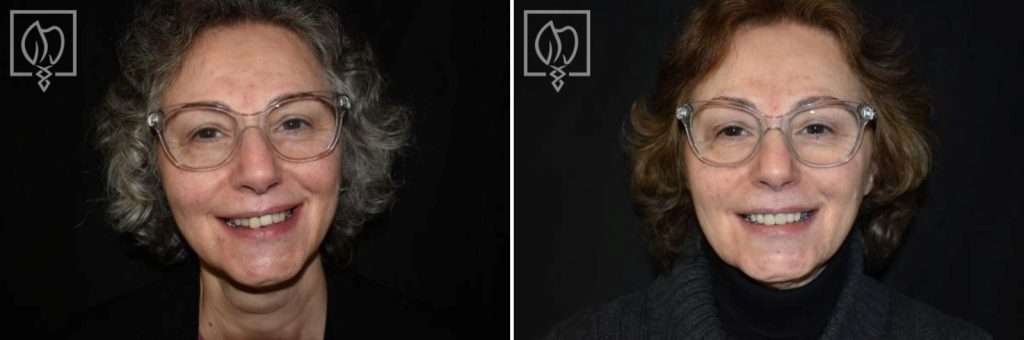
Temporary Crowns Restore Patient's Smile in Just One Day with an Immediate Smile Makeover
A patient from Potomac, Maryland, came to Elite Prosthetic Dentistry with the chief complaint of pain from a failing dental implant and its significant impact on her appearance.
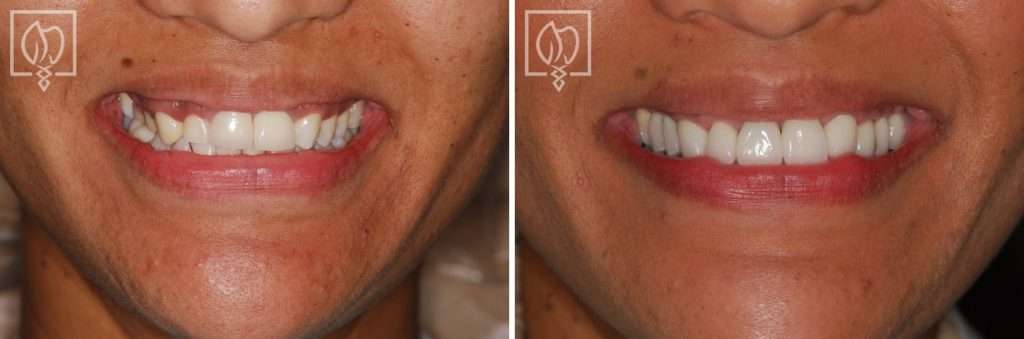
Multi-Faceted Treatment for Patient Unhappy With Her Artificial-Looking Crowns, Teeth and Gums
Many patients come to Elite Prosthetic Dentistry unhappy with the appearance of their smile. However, this particular patient presented with multiple interconnected problems that together created a smile she found deeply unsatisfying.
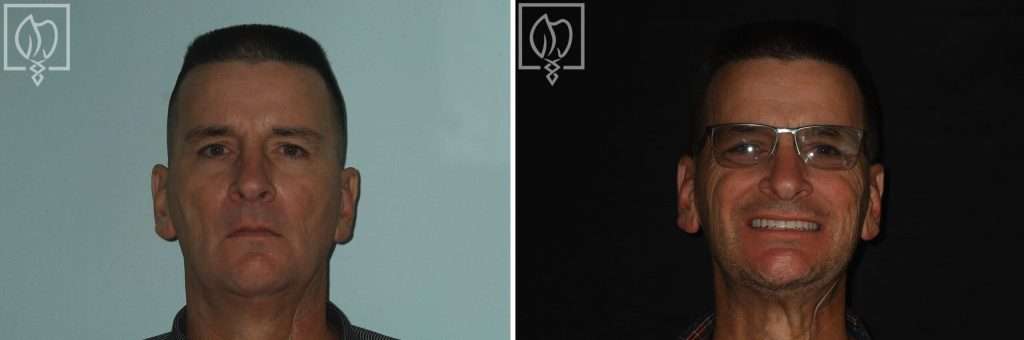
Treating Kevin’s Collapsed Bite with a Complete Smile Makeover with New Dentures
Dentures are sometimes not created to the ideal aesthetic and functional scheme. When improperly fabricated, dentures can make an individual appear almost a generation older than their actual age. They can have a poor fit that feels loose and unstable when eating or speaking, and they can actually accelerate bone loss over time.
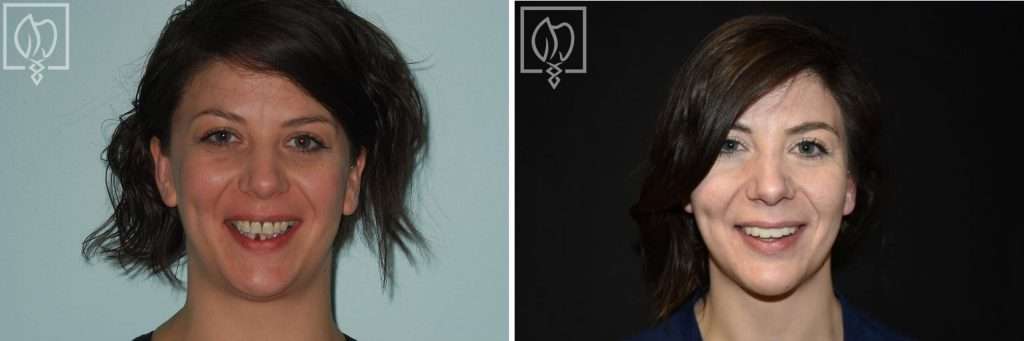
Salvaging Ms. N’s Severely Broken-Down Upper and Lower Teeth from Gum and Bone Disease
Many people in the U.S. suffer from extensive periodontal disease characterized by significant bone loss and shrinkage of the gum tissue. This condition can begin at a very young age and worsen quickly due to hereditary factors and lack of early diagnosis by their dentist.
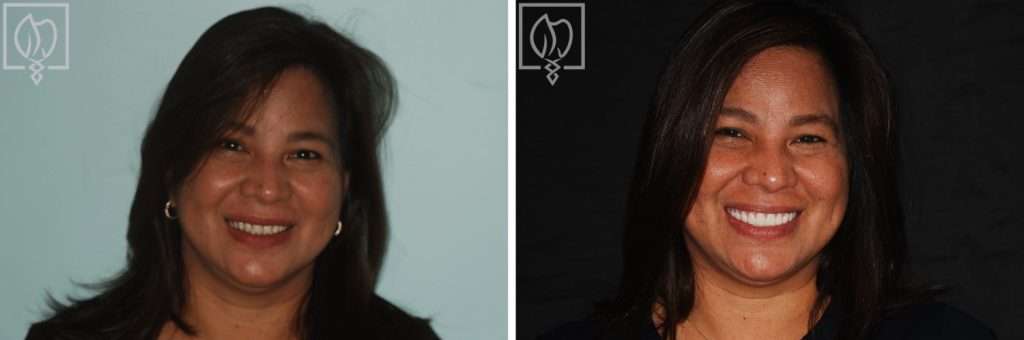
Rejuvenating Maria’s Severely Worn Down Implant Overdentures
Many times, per year, patients come to us frustrated because their implant prosthesis is so severely worn down that they are very self-conscious and cover up their smile. They look and feel much older than their age as a result of the extensive wear of their appliance(s).
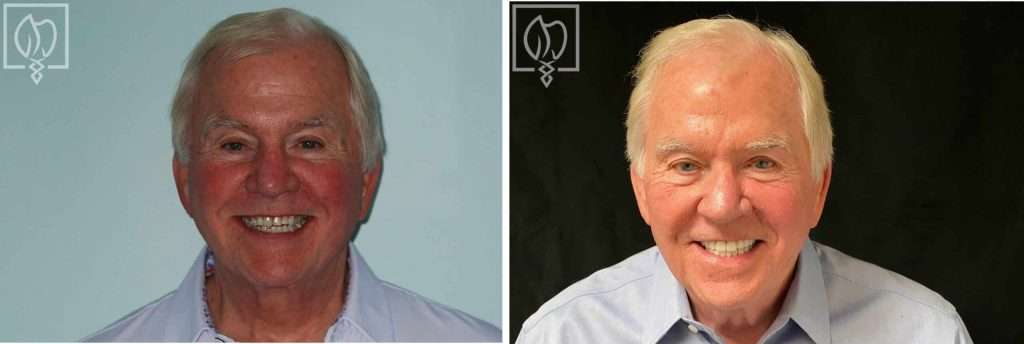
A Smile Transformation in Just Four Months: A Patient’s Dental Crown Restoration for a TV Series
A patient with dental crowns that were in poor shape was going to appear on a streaming video series on a major TV network that was scheduled to begin filming soon. Our patient, John, an author about to embark on a book tour, was anxious as his teeth were not up to his standards to appear on television.
Related Articles
Deepen your knowledge with additional insights on this topic.
 Dental Implants
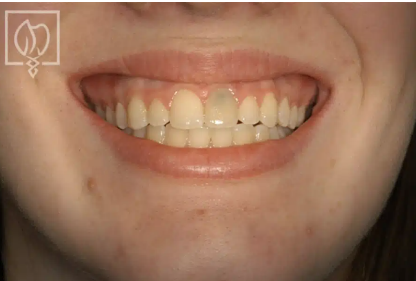
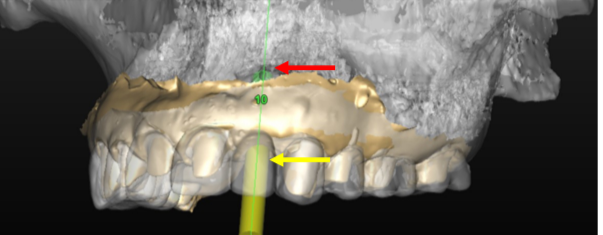
 If a Single Front Tooth is Replaced with an Implant, can it Look Natural?
A single front tooth implant can look completely natural with precision placement, custom abutments, and hand-crafted porcelain crowns. Washington, DC.
 Dental Implants
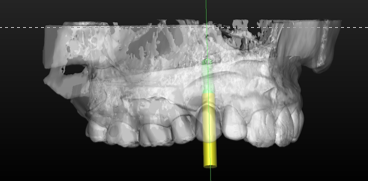
 What is Precision Implant Placement (PIP)?
Learn what Precision Implant Placement (PIP) is and how meticulous planning ensures optimal implant positioning for long-lasting results in Washington, DC.
 Dental Implants
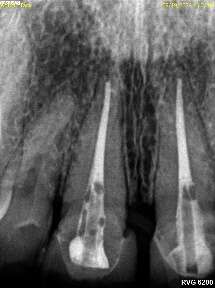
 What is the ideal Surgical Guide for Precision Implant Placement?
CBCT-based surgical guides allow virtual implant planning for precise positioning in optimal bone, ensuring predictable results in Washington, DC.
 Dental Implants
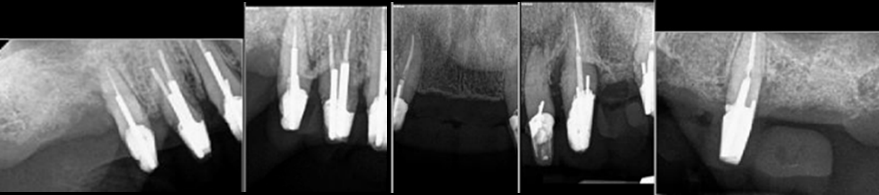
 When Should an Implant not be Done?
Not every patient is a candidate for dental implants. Learn when healthy roots, fragile bone, or steep angles may make alternatives the better choice.
 Dental Implants
 What is Staged Implant Therapy?
Staged implant therapy replaces teeth gradually using existing teeth as temporary support. A personalized alternative to All-on-X for full-arch cases.
Unveiling the Four Types of Dental Implants: Which One's for You?
Learn about the four types of dental implants - endosteal, subperiosteal, zygomatic, and mini implants - and which option may be right for your needs.
Our Services in Arlington
Beyond reconstruction-revision, Arlington patients rely on Dr. Gerald Marlin for a full range of advanced dental care.
More services available in Arlington:
reconstruction-revision Near Arlington
Dr. Gerald Marlin also provides reconstruction-revision services for patients in these neighboring communities.
Getting Here from Arlington
Elite Prosthetic Dentistry is conveniently located near Arlington, VA.
Arlington residents reach our office 15 minutes via I-66 East or George Washington Parkway
Address:
4400 Jenifer Street NW, Suite 220
Washington, DC 20015
Phone: (202) 244-2101
Schedule ConsultationSchedule Your Consultation from Arlington
Arlington residents trust Dr. Gerald Marlin for precision dental care. With 3,900+ implants placed and 40+ years of experience, your smile is in expert hands.