
Loose Dental Crown in Chevy Chase, MD
Loose crown in Chevy Chase? Discover the difference between loose crowns on natural teeth and implant abutments. Expert prosthodontic repair available.
Understanding Loose Crowns: Natural Teeth vs. Implant Crowns in Chevy Chase
A loose crown is a common problem that brings many Chevy Chase patients to our practice. What you might not realize is that a loose crown on a natural tooth and a loose crown on an implant are actually quite different problems, requiring different diagnostic approaches and solutions. Understanding this distinction is critical to getting the right treatment.
Many patients assume all crowns are attached the same way. In reality, the biomechanics of crowns on natural teeth versus crowns on implants are fundamentally different. If you have a loose crown and aren’t sure whether it’s on a natural tooth or an implant, we’ll help you understand the distinction and what it means for your treatment.
The Anatomy of Natural Tooth Crowns: How Cement Works
A crown on a natural tooth is bonded to the tooth using dental cement. This cement creates an adhesive bond between the crown’s inner surface and the prepared natural tooth. When successful, this bond is quite strong and can last many years. However, dental cement is not permanent.
Over time, saliva seeps along the crown margins and gradually dissolves the cement. The process is slow and predictable. Most patients experience some loosening of crowns within 10 to 15 years of placement, though some crowns loosen sooner depending on various factors.
The natural tooth underneath the crown is still a living structure. It has a nerve, blood supply, and periodontal ligament that allow the tooth to move slightly under load. When the cement fails and the crown becomes loose, the tooth may flex differently than when the crown was firmly attached. This change in movement is often what patients notice first, the crown feeling slightly mobile or shifting when they bite.
Implant Crowns: Screw-Retained vs. Cement-Retained
Implant crowns are fundamentally different because they’re attached to an implant, not a natural tooth. The implant is a titanium post surgically placed in the jaw bone, and the crown attaches to a component called an abutment that sits on top of the implant.
There are two primary methods of attaching an implant crown. Screw-retained crowns use a titanium screw that threads through the crown’s interior and into the implant. The screw holds the crown in place securely. Cement-retained crowns use a special dental cement to bond the crown to the abutment, similar to natural tooth crowns but with implant-specific materials.
Screw-retained crowns offer a significant advantage: they’re reversible. If the crown needs adjustment or replacement, the screw can be removed without damaging the implant or abutment. Cement-retained crowns are sometimes preferred for esthetic reasons because there’s no screw hole in the chewing surface, but they’re harder to remove if problems develop.
Why Implant Crowns Loosen: A Different Mechanism
When an implant crown becomes loose, the cause is usually different from a loose natural tooth crown. The most common reason is screw loosening. A screw that was initially tight gradually becomes loose over months or years due to the repetitive forces of chewing.
This happens because no matter how tightly a screw is set, the microscopic vibrations from chewing cause very small amounts of settling. Eventually, enough settling has occurred that the screw is significantly looser. Once this happens, the crown may shift or feel mobile.
Another reason implant crowns loosen is cement failure in cement-retained restorations. However, even when cement fails in an implant crown, the problem develops differently than with natural tooth crowns. The implant and abutment don’t move the way a natural tooth does, so the failure pattern is different.
Less commonly, an implant crown loosens because of problems with the implant or abutment themselves. The implant might be failing, or the abutment might be fractured or corroded. These situations require professional evaluation to diagnose.
Diagnostic Differences: How We Evaluate Your Loose Crown
When you come in with a loose crown, our first question is whether it’s on a natural tooth or an implant. The answer fundamentally changes our evaluation approach.
For a loose natural tooth crown, we examine the tooth clinically, looking for decay or damage. We take X-rays to evaluate the underlying tooth and check for bone loss. We assess the crown’s adaptation and margins. We check your bite and jaw mechanics. All of this helps us determine whether re-cementation or replacement is appropriate.
For a loose implant crown, we follow a different protocol. If it’s screw-retained, we check the screw’s tightness using specialized instruments. We examine the crown for damage. We take X-rays of the implant to evaluate bone levels around the implant and assess the integrity of the implant and abutment. If it’s cement-retained, we assess whether the cement has truly failed or if the crown is simply loose due to other factors. Our prosthodontic expertise ensures thorough evaluation of both natural and implant-supported restorations.
This distinction is important because it determines our next steps. A loose natural tooth crown might need re-cementation or replacement. A loose implant crown might need screw retightening, re-cementing, or abutment replacement, or in some cases crown replacement.
The Problem of Loose Screws in Implant Crowns
One of the most common issues we address in implant crowns is a loose screw. This might seem simple, but it requires care to address properly. If we simply tighten the screw without investigating why it loosened, we might miss an underlying problem.
A screw can loosen because of normal micro-movement that occurs with all implant crowns. It can loosen because of excessive biting force or an unbalanced occlusion that puts uneven pressure on the implant. It can loosen due to corrosion of the screw itself, which weakens its holding ability. If your natural teeth are also compromised, implant restoration through advanced restorative dentistry or full mouth reconstruction may be indicated.
We examine the screw carefully when we retighten it. If it’s significantly corroded, we replace it. If the crown is poorly fitting, we may need to remove and remake it to ensure proper seating and balanced pressure. We also assess your bite to determine whether you need modifications to prevent future loosening.
After retightening an implant crown’s screw, we often recommend follow-up appointments at specific intervals to check tightness again. Some implant crowns require periodic screw checks as part of long-term maintenance. This preventive approach prevents the crown from becoming so loose that damage occurs.
Cement Failure in Both Natural and Implant Crowns: The Differences
While both natural tooth crowns and implant crowns can fail due to cement issues, the problems and solutions differ.
When cement fails under a natural tooth crown, the underlying tooth becomes exposed to bacteria and decay. Decay can develop rapidly under the crown because the space is sealed off from your toothbrush. This is why we take X-rays before deciding whether re-cementation is appropriate. If decay is present, re-cementation won’t help; you need the crown removed, the decay treated, and a new crown placed. Our in-house lab fabricates custom replacements with optimal precision.
When cement fails under an implant crown, the implant itself doesn’t decay because implants are titanium and immune to decay. However, bacteria can accumulate around the implant, potentially causing peri-implantitis, an infection of the bone around the implant. Additionally, the cement residue left under the crown can cause inflammation and bone loss if not completely removed.
If an implant crown with cement failure needs re-cementing, we’re very careful to completely remove all old cement before placing new cement. Residual cement is a major cause of implant problems, so this step is critical.
Treatment Options for Natural Tooth vs. Implant Crowns
If your natural tooth crown is loose and re-cementation is appropriate, we carefully remove it, clean the tooth thoroughly, and place new cement and reset the crown. This typically takes one appointment and gives several more years of service.
If replacement is necessary for a natural tooth crown, we fabricate a new crown customized to your tooth and your current bite. This is a multi-appointment process but provides a restoration designed to last 10 to 15 years.
For a loose implant crown, if the screw is loose, we simply retighten it using specialized prosthodontic instruments and tools. This is quick and often solves the problem completely. Our approach ensures optimal implant function.
If an implant crown needs re-cementing, we remove it, clean away all cement residue (a critical step), and replace it with fresh cement. We may recommend a temporary period of monitoring to ensure the cement sets properly and no complications develop.
If an implant crown needs replacement, we fabricate a new crown that fits the abutment precisely. If the abutment is damaged, we may need to replace that component too, which requires removing the crown and working at the implant level.
When Replacement Is Better Than Repair for Either Type
Whether your crown is on a natural tooth or an implant, sometimes replacement is a better choice than repair.
For natural tooth crowns, replacement is superior to re-cementation when the crown shows wear, when decay is present under it, when the margins have opened, or when the crown is simply old and we want to give you a restoration designed with modern materials and techniques.
For implant crowns, replacement might be recommended if the crown is damaged, if repeated screw loosening suggests a design issue, if the abutment is damaged or corroded, or if the overall fit is compromised. A well-designed new implant crown prevents many future problems.
Your Role in Preventing Loose Crowns
Whether you have crowns on natural teeth or implants or both, certain habits help prevent loosening.
Avoid chewing on hard objects. This applies equally to natural tooth crowns and implant crowns. Chewing ice, hard candy, or using your teeth to open packages creates excessive force that can loosen either type. For patients concerned about protecting their restorations, our concierge dentistry program provides comprehensive preventive guidance. Similarly, sedation dentistry options ensure your comfort during treatment.
Maintain excellent oral hygiene around your crowns. Brush gently but thoroughly around crown margins. Floss around implant crowns if they’re positioned where flossing is possible. This reduces bacterial accumulation that can weaken cement or cause implant problems.
If you grind your teeth at night, wear a nightguard consistently. Grinding creates enormous forces that can loosen both types of crowns and damage the underlying structures. This is one of the most important preventive measures for crown longevity. For severe grinding damage, full mouth reconstruction might be necessary.
Visit us regularly for checkups. We can identify early signs of crown problems in both natural tooth and implant restorations. For implant crowns, we can check screw tightness and ensure no hidden problems are developing.
Professional Expertise in Mixed Restorations
Many Chevy Chase patients have crowns on both natural teeth and implants. This mixed dentition requires expertise in both natural tooth prosthodontics and implant dentistry.
A general dentist might have experience with natural tooth crowns but less expertise with implant crowns. A prosthodontist has advanced training in both areas and can evaluate your complete mouth of restorations comprehensively.
If you have mixed restorations and experience loosening in any of them, we can assess each one individually, determine whether re-cementing or replacement is appropriate, and develop a unified treatment plan that considers all your restorations and your overall bite.
The Importance of Using the Right Materials and Techniques
When we place new crowns, whether on natural teeth or implants, the materials and techniques we choose significantly impact longevity and prevent future loosening.
For natural tooth crowns, we select high-quality cements that form strong bonds and resist degradation. We prepare teeth precisely to ensure optimal crown fit. We verify margins are clean and sealed. All of this reduces the likelihood of early loosening.
For implant crowns, we use appropriate implant components and specialized materials designed for implants. If screw-retained, we use high-quality titanium screws and torque them to the manufacturer’s specifications. If cement-retained, we use implant-specific cements that have different properties than the cements we use for natural teeth.
These technical details might seem minor, but they significantly impact whether your crowns remain stable long-term or develop problems requiring repair.
Timeline for Loose Crown Treatment
If you have a loose crown, we can typically see you quickly for evaluation. Many loose crown problems can be addressed promptly.
For a loose implant crown with a loose screw, we might simply retighten it at your appointment, taking just 15 to 20 minutes.
For a natural tooth crown needing re-cementation, the appointment typically takes 30 to 60 minutes.
For crowns requiring replacement, we’ll need multiple appointments. We evaluate you, take impressions, prepare the tooth or implant, and send details to our laboratory. Once the new crown is fabricated, we seat it at a second appointment. This process typically takes 1 to 2 weeks.
During treatment, if your crown is very loose, we can provide a temporary restoration to protect the underlying tooth or implant.
Choosing a Prosthodontist for Your Loose Crown
Not all dentists can diagnose and treat loose crowns on both natural teeth and implants with equal expertise. A prosthodontist has specialized training in all aspects of crown and bridge work and implant prosthodontics.
If you developed your loose crown with another dentist and want expert evaluation and care, we’re happy to provide a second opinion. We can assess whether re-cementation or replacement is truly appropriate and provide you with honest, objective recommendations.
Local Chevy Chase Access and Convenience
Our practice is just three minutes from central Chevy Chase, making it incredibly convenient for Chevy Chase residents and professionals who work in the area. We’re easily accessible from the residential neighborhoods north of Bethesda Avenue and from the commercial center of Chevy Chase village.
Whether your loose crown is on a natural tooth or an implant, we’re equipped to handle it with expertise and attention to detail. We look forward to helping you restore stability to your crown and preventing future problems.
Taking the Next Step
If you have a loose crown on a natural tooth, an implant, or both, don’t wait. The sooner you have it evaluated, the sooner we can determine the best course of action. Contact our Chevy Chase practice to schedule your evaluation. If you have concerns about finances, we offer dental financing options to make treatment accessible.
We’ll examine your crown thoroughly, take any necessary diagnostic imaging, and discuss your treatment options clearly. Whether your loose crown requires a quick fix or a more involved solution, we’re here to provide expert prosthodontic care. For anxious patients, sedation dentistry ensures your comfort during treatment.
For more information about crown problems, visit our crown problems page or learn more about our prosthodontic approach. If you’re interested in understanding implant crowns better, check out our implant repair and restoration services. For information about replacing a problematic crown, visit our page on custom crafted crowns. Chevy Chase patients can also explore our cosmetic dentistry, veneers, and smile makeover services. For second opinions, visit our second opinion dentistry page. If financing is a concern, check our financing options.
Your loose crown deserves expert attention. Call our Chevy Chase office today to get started.
Frequently Asked Questions
Is a loose crown on an implant treated differently than one on a natural tooth?
Absolutely, yes. Implant crowns use different attachment systems, typically a screw or special implant-specific cement. A loose implant crown might indicate the screw has loosened, the cement has failed, or there's an issue with the abutment itself. Natural tooth crowns are bonded with dental cement, so a loose natural tooth crown suggests cement failure. The diagnostic process and treatment options differ significantly between the two.
Can my implant crown screw come loose without the crown feeling loose?
Yes, this is a common scenario we see. The screw holding an implant crown can gradually loosen over months without you noticing, and then suddenly the crown becomes loose when the screw is finally loose enough. This is why we recommend periodic checks of implant crowns, even if they feel stable. A simple retightening can prevent the crown from eventually becoming loose enough to cause damage.
What's the difference between the materials used to secure natural tooth crowns versus implant crowns?
Natural tooth crowns are bonded with dental cement, which is designed to create a permanent or semi-permanent adhesive bond. Implant crowns can be either screw-retained (held with a titanium screw through the crown into the implant) or cement-retained (using special implant-specific cement). Screw-retained crowns are reversible if needed. The materials and attachment methods are fundamentally different, requiring different expertise.
If I have both natural tooth crowns and implant crowns, can they loosen for the same reasons?
While there are some overlapping causes, the mechanisms differ. Natural tooth crowns loosen primarily from cement degradation. Implant crowns can loosen from screw loosening, cement failure, or problems with the implant or abutment itself. If you have both types, we evaluate each separately because the diagnostic approach and solutions differ.
How do you determine if my loose implant crown needs re-securing or replacement?
We examine the implant crown carefully, checking screw tightness, cement integrity, and the condition of the crown itself. We take X-rays to evaluate the implant and abutment. If the crown is in excellent condition and only the screw was loose or cement failed, we can secure or re-cement it. If there's damage to the crown, the abutment, or the implant, replacement may be necessary. Each situation is unique.
Related Patient Success Stories
Explore similar patient success stories demonstrating our expertise in advanced prosthetic dentistry.

Temporary Crowns Restore Patient's Smile in Just One Day with an Immediate Smile Makeover
A patient from Potomac, Maryland, came to Elite Prosthetic Dentistry with the chief complaint of pain from a failing dental implant and its significant impact on her appearance.
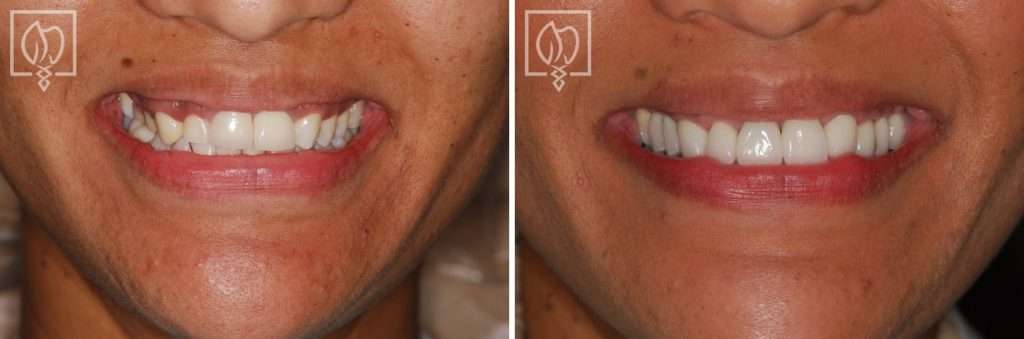
Multi-Faceted Treatment for Patient Unhappy With Her Artificial-Looking Crowns, Teeth and Gums
Many patients come to Elite Prosthetic Dentistry unhappy with the appearance of their smile. However, this particular patient presented with multiple interconnected problems that together created a smile she found deeply unsatisfying.

Salvaging Ms. N’s Severely Broken-Down Upper and Lower Teeth from Gum and Bone Disease
Many people in the U.S. suffer from extensive periodontal disease characterized by significant bone loss and shrinkage of the gum tissue. This condition can begin at a very young age and worsen quickly due to hereditary factors and lack of early diagnosis by their dentist.
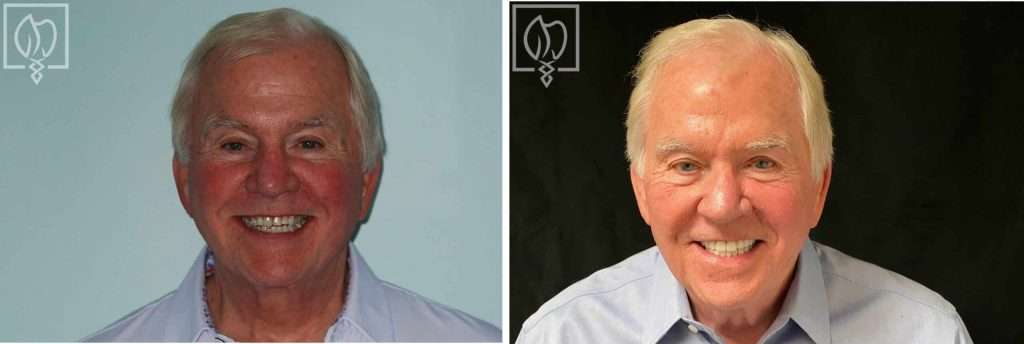
A Smile Transformation in Just Four Months: A Patient’s Dental Crown Restoration for a TV Series
A patient with dental crowns that were in poor shape was going to appear on a streaming video series on a major TV network that was scheduled to begin filming soon. Our patient, John, an author about to embark on a book tour, was anxious as his teeth were not up to his standards to appear on television.
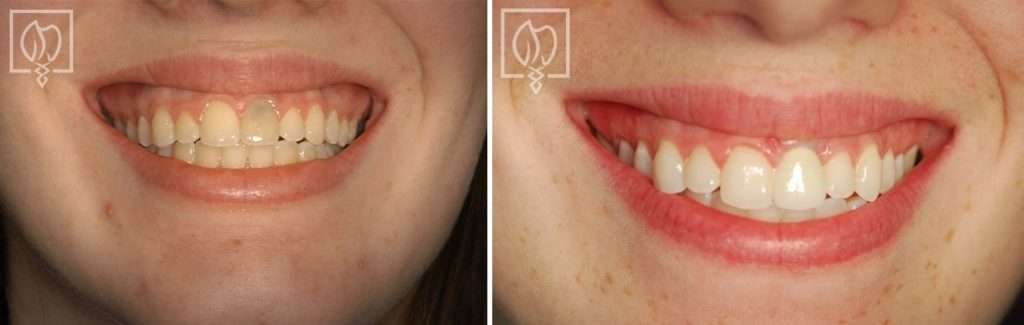
Replacing a Discolored Front Tooth with a Precision Placed Implant
Some of the most challenging restorations occur when fabricating an anterior crown to fit on an implant. Not only does one have the difficulty of matching the single front tooth to the other ones in the high visibility zone, but the dentist must also ensure the position of the underlying implant is precise through accurate preplanning and placement.
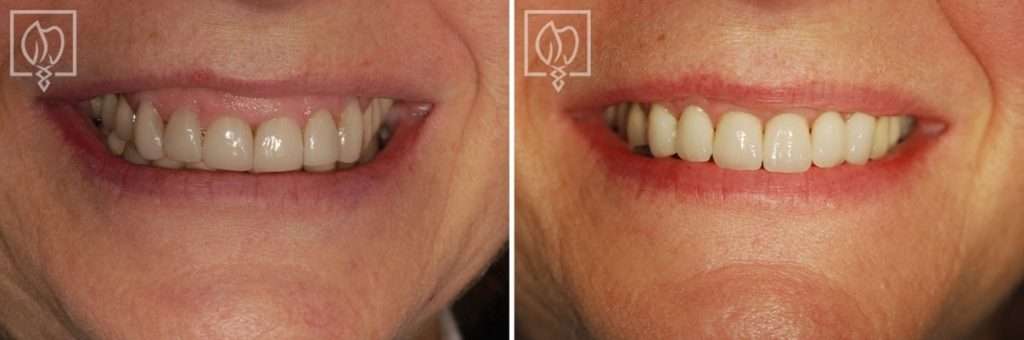
Patient Was Dissatisfied With Her 'Gummy' Smile
Excessive gingival tissue, commonly referred to as a "gummy smile," can significantly impact the appearance of a person's smile and their self-confidence. When someone smiles and a large amount of gum tissue is visible above the teeth, it can create the perception that the teeth are too small or short, even when they are actually normal size.
Our Services in Chevy Chase
Beyond loose-dental-crown, Chevy Chase patients rely on Dr. Gerald Marlin for a full range of advanced dental care.
More services available in Chevy Chase:
loose-dental-crown Near Chevy Chase
Dr. Gerald Marlin also provides loose-dental-crown services for patients in these neighboring communities.
Getting Here from Chevy Chase
Elite Prosthetic Dentistry is conveniently located near Chevy Chase, MD.
Chevy Chase is just minutes from our practice. Most patients drive here directly from the Chevy Chase village center or nearby residential areas, making appointments convenient for busy professionals.
Address:
4400 Jenifer Street NW, Suite 220
Washington, DC 20015
Phone: (202) 244-2101
Schedule ConsultationSchedule Your Consultation from Chevy Chase
Chevy Chase residents trust Dr. Gerald Marlin for precision dental care. With 3,900+ implants placed and 40+ years of experience, your smile is in expert hands.