
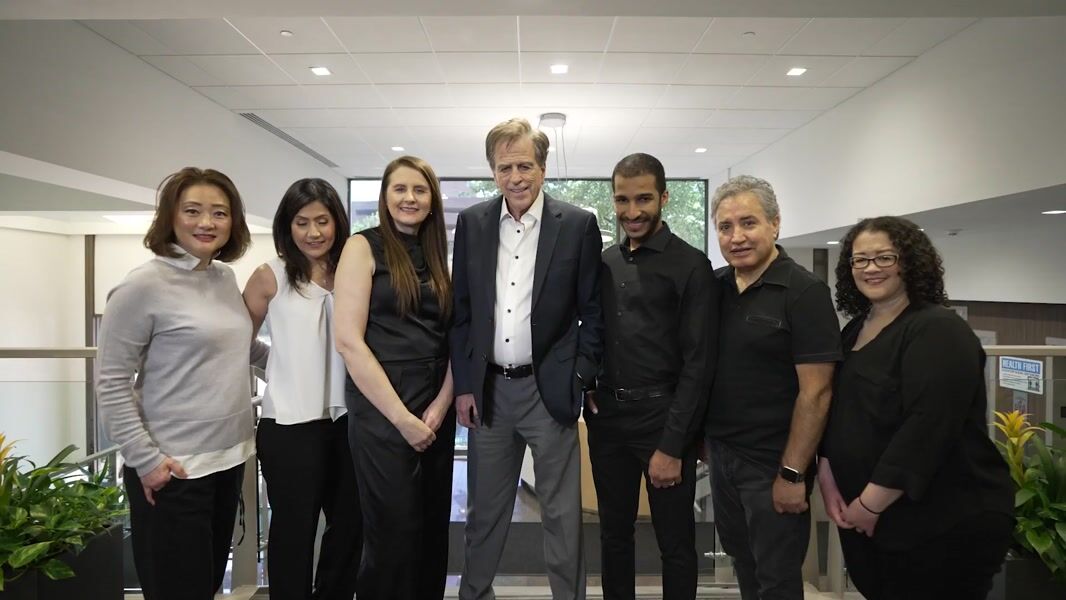
Jaw pain, headaches, or clicking? Potomac, MD
Jaw pain, headaches, or clicking in Potomac, MD? Dr. Gerald Marlin offers TMJ diagnosis and treatment for lasting relief.
TMJ Specialist for Potomac, MD Patients
Jaw pain, headaches, or clicking when you open and close?
TMJ disorders can affect far more than just your jaw. Chronic facial pain, headaches, ear symptoms, and worn teeth are often connected to how the jaw joints, muscles, and bite work together. Elite Prosthetic Dentistry helps Potomac patients identify and manage TMJ-related problems with comprehensive evaluation and bite-focused care. Led by specialty-trained prosthodontist Dr. Gerald Marlin, we understand that jaw problems are complex and deserve careful, thoughtful diagnosis before treatment begins.
Schedule a Consultation Contact Our Team
Signs of TMJ and Bite-Related Problems
TMJ disorders are often misunderstood or misdiagnosed because symptoms can be highly variable and confusing. You might experience jaw pain one day and have none the next. The pain might feel sharp or dull, constant or intermittent. Symptoms can fluctuate and may not always feel centered in the jaw itself. Many patients seek care after years of managing discomfort without clear answers. Some have been evaluated by numerous specialists, none of whom identified the underlying bite or jaw joint issue.
Jaw pain or stiffness is often the most obvious symptom, though it’s not always present. Some people experience it when chewing or when opening wide. Others feel a dull ache throughout the day. The pain might be on one side or both sides. Clicking, popping, or grinding sounds when you open and close your mouth can signal joint problems or disk displacement. These sounds are sometimes comfortable, which causes patients to dismiss them, but they can indicate advancing joint damage that should be addressed. Headaches or migraines are frequently connected to jaw and muscle tension. Patients are sometimes shocked to discover that addressing their bite eliminates the chronic headaches they’ve suffered with for years. The muscles controlling your jaw extend through your head, so jaw tension easily translates to head pain. Facial, neck, or ear pain can all be related to TMJ dysfunction. The muscles controlling your jaw extend through your face and neck, so jaw problems can create referred pain in distant areas. Patients might feel pain in front of their ear, in their temple, or down their neck without realizing it’s connected to their jaw. Worn, chipped, or cracked teeth often indicate grinding or clenching, which usually stems from bite problems or TMJ dysfunction. If your teeth show excessive wear despite good oral hygiene, your bite or TMJ may be involved.
Why TMJ Problems Are Often Overlooked
TMJ disorders are commonly overlooked for several reasons. Symptoms come and go, and patients may not connect them to their jaw or bite. Pain may mimic sinus or ear issues, causing patients to seek treatment from other specialists who won’t find a sinus or ear problem because the problem is actually TMJ-related. Bite problems are not always obvious to patients or even to general dentists without specific training. The connection between how your teeth meet and how you feel is not immediately apparent to many people. The focus is often placed on symptoms rather than on identifying the underlying causes. Without comprehensive bite evaluation, the root problem remains unaddressed. Many general dentists lack the advanced training to diagnose complex TMJ disorders, so conditions go unidentified. Patients sometimes receive recommendations to “learn to live with it” or are offered temporary solutions like pain medication rather than addressing the root cause.
How TMJ Disorders Are Evaluated
TMJ evaluation at our practice is comprehensive and thorough. We understand that jaw joints, muscles, and teeth all interact, and we need to evaluate all three to understand what’s happening. A proper evaluation goes far deeper than simply asking about symptoms.
Assessment of jaw movement and joint function involves careful evaluation of how your jaw opens and closes, listening for sounds, and evaluating the smoothness and symmetry of movement. We may gently move your jaw to see where limitations exist and whether movement triggers symptoms. We check whether your jaw opens straight or deviates to one side. We assess how far your jaw can open comfortably and whether opening is limited by pain or mechanical restriction. Evaluation of bite alignment and wear patterns helps us understand how your teeth are meeting and whether the bite is balanced. We look at your teeth for signs of wear, grinding, or clenching. We may take impressions or digital scans to analyze your bite in detail, looking at whether certain teeth are contacting harder than others. This can reveal a bite imbalance that’s overloading your jaw joints or muscles. Review of muscle tenderness and tension helps us identify overworked muscles. We palpate the muscles of mastication and surrounding muscles to identify areas of tension or tenderness. We assess whether your muscles are tight or relaxed and which areas hurt when pressed. Imaging when needed to assess joint health might include panoramic x-rays or specialized TMJ imaging to assess the position of the disk and the condition of the joint surfaces.
Understanding Your Bite and TMJ Connection
Your bite and jaw joint health are inextricably connected. When your teeth meet properly, forces are distributed evenly across your mouth. Your jaw muscles work efficiently, and your joints function smoothly. When your bite is off, some muscles work harder than others to compensate. Your jaw joints experience uneven loading. Over time, this can lead to muscle tension, joint pain, and wear on your teeth. By evaluating and correcting your bite, we often eliminate the root cause of TMJ symptoms rather than just treating the symptom.
TMJ Treatment Options We May Recommend
Treatment for TMJ disorders is typically conservative and focused on identifying and addressing the underlying cause rather than simply masking symptoms. Custom oral appliances or bite splints can help stabilize your bite and reduce stress on your jaw joints. These are typically worn at night but may be worn during the day in some situations. They help prevent grinding and clenching and promote better muscle relaxation. A well-designed splint can provide significant relief and help your joints and muscles heal. Bite stabilization strategies involve evaluating your bite and discussing habits like chewing on one side or clenching your teeth. We provide guidance on how to modify these habits. Many people don’t realize they clench when stressed until someone points it out. Once you’re aware of the habit, you can work on stopping it. Management of grinding or clenching is essential because bruxism can rapidly accelerate tooth wear and overload your jaw joints. We help you understand why grinding is happening (stress, sleep issues, bite problems) and provide strategies to reduce it. Sometimes addressing the bite is enough to stop grinding. Sometimes stress management or sleep evaluation helps. Coordination with restorative or orthodontic care ensures that any dental treatment you receive supports long-term TMJ health rather than compromising it. Long-term bite rehabilitation when needed involves a more comprehensive approach to restoring your bite to a healthy state. This might involve orthodontic treatment, strategic crown or bonding placement, or other restorative approaches designed to create a balanced, comfortable bite.
TMJ Care for Potomac Patients at Our DC Office
Elite Prosthetic Dentistry serves Potomac patients from our Washington, DC office near Friendship Heights and Chevy Chase, just 15 minutes from Potomac Village. TMJ care is approached conservatively and thoughtfully, with a focus on long-term comfort and function rather than short-term symptom relief alone. We understand that jaw problems are complex and deserve careful evaluation and thoughtful treatment planning. We don’t rush patients into extensive treatment, and we don’t dismiss concerns about jaw pain as insignificant.
Elite Prosthetic Dentistry 4400 Jenifer Street NW, Suite 220 Washington, DC 20015 (202) 244-2101 [email protected] Request a Consultation Contact & Directions
What to Expect From a TMJ Consultation
A TMJ consultation is designed to clarify what is contributing to your symptoms and whether your bite or jaw function is involved. We take time to listen to your symptoms, understand your history, and evaluate your jaw thoroughly. Treatment recommendations are tailored to your specific findings and goals. We won’t recommend extensive treatment for a simple problem, nor will we overlook complex issues.
Discussion of symptoms and triggers helps us understand what you’re experiencing, when it occurs, and what makes it better or worse. You might mention that your jaw pain is worse in the morning (suggesting nighttime grinding), that it worsens with stress (suggesting muscle tension), or that it’s worse on one side (suggesting unilateral muscle overload or joint involvement). Specific information about what you do for work, your stress level, whether you have sleep issues, and whether you’ve noticed grinding or clenching all helps us piece together the puzzle. Evaluation of jaw joints, muscles, and teeth is comprehensive, as described above. Review of imaging and bite findings helps us explain what we found and how it relates to your symptoms. We use visual aids to help you understand your bite and why we think it’s contributing to your pain. Clear explanation of management options ensures you understand your treatment plan and why we’re recommending what we recommend.
FAQs About TMJ Disorders
Is TMJ the same as jaw clicking? Not always. Clicking can be one symptom of TMJ disorder, but TMJ disorders involve joint, muscle, and bite factors. You can have TMJ dysfunction without clicking, and you can have clicking without pain or dysfunction.
Can TMJ cause headaches? Yes. Jaw and muscle tension can contribute to frequent headaches. The muscles controlling your jaw extend into your head and neck, so jaw tension easily transfers to other areas. Many patients are surprised to find that treating their TMJ eliminates their headaches entirely.
Will I need surgery? Most TMJ cases are managed conservatively without surgery. Our approach focuses on identifying and addressing underlying causes rather than considering surgery. Surgery is rarely needed and should be considered only after conservative treatment fails.
Can bite problems cause TMJ pain? In many cases, bite imbalance contributes significantly to symptoms. When some teeth are contacting harder than others, it creates uneven loading on your jaw joints and muscles. Balancing your bite often provides significant relief.
Does insurance cover TMJ treatment? Coverage varies depending on diagnosis and treatment approach. Our team can help you understand your coverage before treatment begins.
How long does TMJ treatment take? Treatment varies depending on what’s causing your symptoms and what approach we recommend. Some patients experience significant improvement quickly, while others require longer-term management. We’ll discuss the expected timeline during your consultation.
Can TMJ come back? TMJ symptoms can return if the underlying cause isn’t addressed. For example, if your symptoms were caused by bite problems and we correct your bite, symptoms usually don’t return unless your bite changes again. If stress-related muscle tension was the cause, symptoms might return during future stressful periods. That’s why understanding the cause is so important.
Why Choose a Specialty-Trained Prosthodontist for TMJ Care
A specialty-trained prosthodontist brings unique expertise to TMJ diagnosis and treatment. We understand the complex relationships between bite, jaw function, and symptoms. Our training includes detailed education in bite analysis, occlusion, and how to systematically evaluate and manage TMJ disorders. We don’t treat symptoms in isolation; we identify and address underlying causes. This comprehensive approach leads to lasting results rather than temporary symptom relief. With our experience managing complex restorative cases, we also understand how dental work affects your bite and jaw function, allowing us to coordinate any restorative treatment with your TMJ care.
Related Resources
Living With Jaw Pain or Headaches?
If jaw discomfort, facial pain, or headaches are affecting your daily life, a focused TMJ evaluation may help identify the cause. Many patients discover that their symptoms have a simple, treatable cause. Others find that their symptoms, while complex, can be managed effectively with the right approach. The only way to know is through proper evaluation. Stop living with pain that could be addressable. Schedule a consultation with Dr. Gerald Marlin to explore your options and understand what’s causing your symptoms.
Call (202) 244-2101. Serving Potomac, Chevy Chase, Bethesda, and surrounding communities.
Frequently Asked Questions
How far is Elite Prosthetic Dentistry from Potomac?
Our office at 4400 Jenifer Street NW in Washington, DC is approximately 15 minutes from Potomac Village via River Road and Wisconsin Avenue.
Why should Potomac residents choose a prosthodontist for TMJ treatment?
A prosthodontist completes 3 additional years of specialty training beyond dental school, focusing on complex restorations, implants, and esthetic dentistry. This advanced training means Potomac patients receive care backed by deeper expertise.
What should I expect at my first visit?
Your initial consultation includes a comprehensive evaluation, digital imaging when needed, and a personalized discussion about your treatment options. We take the time to understand your goals and concerns.
Related Patient Success Stories
Explore similar patient success stories demonstrating our expertise in advanced prosthetic dentistry.
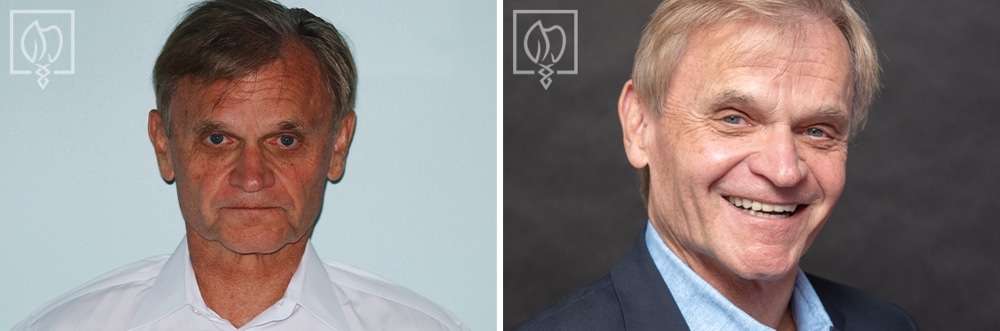
Patient Was a Very Severe Teeth Grinder and Had Worn Down all of his Teeth
This patient was a highly accomplished attorney from Washington, DC, who frequently speaks in front of juries, judges, lawyers, and business professionals. His professional position requires projecting confidence and credibility, and his appearance is an important component of his professional presence.
Can Dental Crowns Closely Match My Existing Teeth Color and Shape?
When restoring your smile with dental crowns, it is natural to wonder if these tooth restorations can closely match your existing teeth color and shape. After all, crowns may be visible enough that others can see them. In some cases, they take front and center stage in your smile.
 Before
 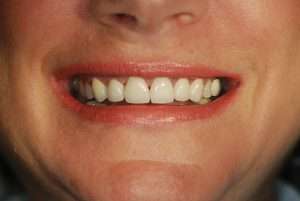 After
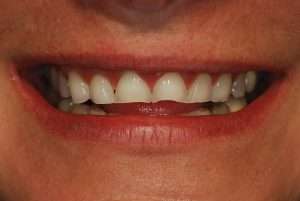
After Can Worn-Down Teeth Be Fixed or Do They Have to Be Replaced?
Severely Worn Dentition Marring a Great Smile Line
Related Articles
Deepen your knowledge with additional insights on this topic.
 TMJ & Jaw Pain
 Understanding the Benefits of Early Diagnosis & Treatment of Bruxism (Teeth Grinding) for Children
Bruxism is a dental condition that does not have a predilection for age - this condition can affect adults and children.
 TMJ & Jaw Pain
 Can TMJ Be the Cause of Migraine or Severe Headaches?
TMJ dysfunction can trigger migraines and chronic headaches. Learn how jaw joint disorders contribute to head pain and what treatment options exist.
TMJ: Symptoms, Causes, and Treatment
TMJ dysfunction causes jaw pain, headaches, and difficulty chewing. Understand the symptoms, root causes, and treatment options available to you.
 TMJ & Jaw Pain
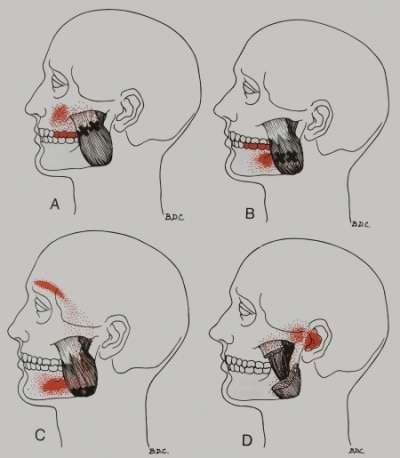
 Trigger Point Injections Relieve Pain from the TMJ Syndrome
Trigger point injections target the muscle knots that cause TMJ pain and dysfunction. Learn how this treatment provides relief from chronic jaw discomfort.
 TMJ & Jaw Pain
 Trigger Point Injections to Treat TMJ/TMD
TMJ pain symptoms can range from mild soreness to debilitating headaches. Trigger point injections offer targeted relief for TMJ and TMD disorders.
 TMJ & Jaw Pain
 5 Tips for Jaw Surgery Recovery
Recovering from orthognathic jaw surgery takes careful planning. Follow these five tips for a smoother, more comfortable recovery process.
Our Services in Potomac
Beyond TMJ Treatment, Potomac patients rely on Dr. Gerald Marlin for a full range of advanced dental care.
More services available in Potomac:
TMJ Treatment Near Potomac
Dr. Gerald Marlin also provides tmj treatment services for patients in these neighboring communities.
Getting Here from Potomac
Elite Prosthetic Dentistry is conveniently located near Potomac, MD.
Patients from Potomac typically drive east on River Road to Wisconsin Avenue, then south to our office near Friendship Heights.
Address:
4400 Jenifer Street NW, Suite 220
Washington, DC 20015
Phone: (202) 244-2101
Schedule ConsultationSchedule Your Consultation from Potomac
Potomac residents trust Dr. Gerald Marlin for precision dental care. With 3,900+ implants placed and 40+ years of experience, your smile is in expert hands.