

Crown & Bridge Problems in Dupont Circle, DC
Dupont Circle residents seeking expert second opinions on failing crowns and bridges find specialized care from Dr. Marlin, a specialty-trained prosthodontist experienced in diagnosing and treating complex restorative problems.
Dupont Circle’s sophisticated urban community includes a diverse population of professionals, artists, and longtime DC residents who value both quality and convenience. When dental problems arise, Dupont Circle patients typically seek specialists who understand their complex needs and can provide clear explanations of their options.
Crown and bridge problems don’t announce themselves neatly. A patient might sense something is off with a crown but be unable to articulate what’s wrong. Another might discover decay beneath a crown that seemed fine. A third might hear conflicting advice from different dentists. For all these scenarios, Dr. Marlin’s specialty expertise provides clarity.
The Bite That Feels “Off”: Occlusal Trauma and Its Consequences
Dupont Circle professionals sometimes report that a crown or bridge feels like it’s hitting too hard when they chew, or that their bite feels asymmetrical. This is often a sign of occlusal trauma: the restoration is contacting your opposing teeth before your other teeth make contact, forcing that restoration to absorb more force than it should.
Occlusal trauma doesn’t just feel uncomfortable. Over time, it causes bone loss around the supporting tooth, inflammation of the pulp, and premature wear or pain under the crown. What seems like a minor annoyance can escalate into a significant problem if not addressed.
Dr. Marlin evaluates whether the problem is truly bite-related, and if so, whether bite adjustment will resolve it or whether crown replacement is necessary to achieve proper contact.
The Complex Bite Problem
Some Dupont Circle patients have complex bite problems stemming from years of dental work, extraction, or natural tooth movement. In these situations, a single crown being “too high” is part of a larger occlusal problem. Addressing the crown in isolation might help temporarily, but the underlying bite pattern may cause problems to recur.
These cases benefit from comprehensive evaluation of your entire bite system. Dr. Marlin assesses whether treating the problematic crown is enough or whether broader bite correction is warranted.
Biocompatibility Concerns and Material Sensitivity
Dupont Circle residents sometimes develop concerns about the materials in their crowns, particularly older restorations that may contain metals or alloys that concern them. While true allergies to crown materials are uncommon, sensitivities can develop. Some patients prefer to replace their restorations with materials they perceive as more biocompatible.
Dr. Marlin respects these concerns and can recommend material options that align with your preferences. All-ceramic crowns eliminate metal entirely. Zirconia crowns eliminate some material components that concern certain patients. Discussing material choices thoroughly ensures you feel confident in the restoration being placed.
Getting Here from Dupont Circle
From Dupont Circle, take Connecticut Avenue NW north toward the Chevy Chase area. The drive is approximately 12 minutes depending on traffic. Metro connections are available if you prefer public transportation.
The Multi-crown Scenario: Coordinating Care
Dupont Circle patients sometimes have multiple crowns, some of which are problematic while others are fine. Deciding which to address first and how to sequence treatment becomes important. Replacing all crowns at once is expensive and time-consuming. But replacing only one crown can shift bite forces to adjacent restorations, causing problems elsewhere.
Dr. Marlin helps you develop a treatment plan that prioritizes the most problematic restorations while protecting others through careful planning. Sometimes sequential treatment makes sense. Other times, treating related crowns together produces better overall results.
Esthetic Concerns in Visible Restorations
For Dupont Circle patients who value appearance, crowns in visible areas are important not just functionally but aesthetically. An older crown that’s yellowed or mismatched to adjacent teeth becomes more noticeable with time, especially if surrounding teeth whiten with age. A crown with an obvious dark margin becomes increasingly evident as years pass.
These esthetic concerns justify replacement independent of functional problems. Dr. Marlin uses modern materials and techniques to create crowns that integrate seamlessly with your smile and that patients are genuinely pleased to show off.
Bridge Replacement and Alternative Solutions
When a bridge requires replacement, Dupont Circle patients sometimes ask about dental implants as an alternative. An implant restores a single tooth, eliminating the need to crown adjacent teeth as bridge abutments. This has long-term advantages but higher initial cost.
Dr. Marlin presents both options clearly: the cost, the treatment timeline, the long-term success rates, and the implications of each choice. Some situations favor implant replacement. Others favor a new bridge. Understanding the real differences helps you make an informed decision.
Consultation Process
During your consultation, Dr. Marlin examines your crown or bridge carefully, looking at fit, decay risk, bone support, and how it relates to your bite. He takes digital images to see what’s happening beneath the surface. He explains findings clearly and without jargon.
You’ll understand what’s happening with your restoration, what options exist, what each option costs, and what timeline is involved. You’ll leave the consultation with a clear sense of next steps and confidence in the decision you’re making.
Preventive Strategies
Dr. Marlin discusses how to maintain your restorations and prevent future problems. Meticulous oral hygiene, careful flossing around crown margins, avoiding hard foods, and managing grinding or clenching all extend restoration longevity. For Dupont Circle patients willing to invest in preventive care, restorations often last significantly longer.
Addressing Recurrent Problems
Some Dupont Circle patients have had the same crown recemented or adjusted multiple times. This pattern indicates the crown has an underlying problem and that repeated temporary fixes won’t resolve it. A definitive evaluation clarifies whether replacement is the answer or whether another approach would be better.
Related Resources
Learn more about crown and bridge problems at our Crown and Bridge Problems page. To understand Dr. Marlin’s background and approach, visit Meet Dr. Gerald Marlin. Explore our dental crowns in Dupont Circle services for expert restorative care in your neighborhood.
Dupont Circle residents with crown and bridge problems deserve evaluation by a specialist who listens carefully, explains thoroughly, and offers real solutions. Dr. Marlin provides that expertise within a reasonable drive from your neighborhood.
Understanding Decay Progression and Radiographic Detection
For Dupont Circle residents with recurring decay in crowned teeth, understanding decay progression helps motivate prevention. Decay begins at marginal gaps. Bacteria colonize the interface. The cavity enlarges silently.
Radiographs taken at the proper angle reveal early decay. A radiograph showing dark (radiolucent) area at the crown margin suggests decay development.
For Dupont Circle residents, asking your dentist for radiographs if decay concerns you helps catch early problems.
Bridge Design and Abutment Load Distribution
When Dupont Circle residents require bridge replacement, bridge design significantly impacts longevity. A bridge that distributes forces evenly across abutment teeth lasts longer than one concentrating forces.
A prosthodontist customizes bridge design based on individual abutment tooth strength and anatomy.
Managing Bite Problems Affecting Multiple Teeth
For Dupont Circle residents with bite problems affecting multiple crowns, comprehensive bite correction is valuable. Rather than treating each crown independently, addressing the underlying bite problem prevents cascade failures.
Esthetic Expectations and Modern Materials
For Dupont Circle residents prioritizing appearance, modern materials exceed esthetic capabilities of materials available a decade ago. Lithium disilicate and high-quality all-ceramic offer natural appearance and excellent esthetics.
The in-house dental laboratory allows Dr. Marlin to oversee fabrication ensuring esthetic excellence.
Strategic Treatment Planning and Sequencing
For Dupont Circle residents with multiple crown concerns, developing a strategic plan prevents unnecessary treatment while addressing critical problems. Dr. Marlin helps prioritize which crowns need immediate attention and which can be monitored.
Managing High Bite Forces and Bruxism
Some Dupont Circle residents have naturally heavy bite forces or grind their teeth, particularly during stressful professional periods. These habits accelerate crown wear and increase fracture risk.
Heavy bite forces concentrate excessive stress on crowned teeth. The supporting tooth experiences increased risk of root fracture, bone loss, or pulpal damage. Porcelain crowns fracture more readily with heavy biting. All-ceramic is especially susceptible to fracture with heavy bites.
For Dupont Circle patients with heavy bite forces or grinding habits, several protective measures are valuable. A protective night guard significantly reduces grinding damage and protects the teeth and crowns. Material selection can emphasize durability: zirconia resists fracture far better than all-ceramic.
Bite evaluation and adjustment, if possible, helps distribute forces more evenly, protecting teeth and restorations.
Understanding Recurrent Decay Patterns
Some Dupont Circle residents experience decay repeatedly at crown margins despite excellent oral hygiene. This pattern suggests either aggressive decay susceptibility in the patient or specific environmental factors making decay likely.
For patients with recurrent decay, additional preventive measures are helpful. Fluoride rinses strengthen tooth structure. More frequent professional monitoring catches early decay. Extra attention to flossing around crown margins removes plaque before it causes decay.
Understanding whether recurrence is patient-dependent or crown-design-dependent helps prevent future problems.
Bridge Design and Force Distribution
When a Dupont Circle resident requires bridge replacement, thoughtful bridge design can significantly impact longevity. Some bridge designs concentrate excessive force on one abutment tooth. Others distribute forces more evenly across both abutments.
A prosthodontist considers the abutment teeth’s individual strengths and weaknesses and designs the bridge accordingly. If one abutment is weaker, bridge design can minimize stress to that tooth while allowing the stronger abutment to share more load appropriately.
This personalized bridge design can extend bridge viability significantly compared to standard designs.
(202) 244-2101
Frequently Asked Questions
My crown feels higher than my other teeth. Is that a problem?
A crown contacting before your other teeth creates occlusal trauma, forcing that tooth and its bone to absorb excessive force. Over time this causes pain, bone loss, and damage to the crown. This should be addressed quickly through bite adjustment. If adjustment doesn't resolve the issue, the crown may need to be recontoured or replaced.
Can I develop an allergy to the material in my crown?
True allergies to crown materials are rare, but sensitivities can develop. Metal ions from a gold crown might cause discoloration or irritation. Nickel in some older metal alloys can trigger reactions in sensitive individuals. If symptoms develop, a different material can be used in the replacement crown.
How do I clean under a bridge without damaging it?
A water flosser or bridge threader passes floss under the pontic (false tooth) of the bridge to clean the area beneath it. Careful technique with unwaxed floss also works. Avoid aggressive movements that might dislodge the bridge. Regular cleaning prevents food and bacteria accumulation that leads to decay and bridge failure.
What's the most common reason crowns fail?
Marginal leakage and recurrent decay are the leading causes of crown failure, followed by fracture or chipping of the crown material, and compromise of the underlying tooth's support. Most failures develop over years as marginal adaptation breaks down and decay progresses.
Should I replace all my old crowns at once or space them out over time?
This depends on the condition of each crown and your financial situation. If multiple crowns have significant problems, replacing them relatively soon makes sense to prevent complications. If some are fine and others have issues, addressing the problematic ones first allows you to space out costs and treatment.
Related Patient Success Stories
Explore similar patient success stories demonstrating our expertise in advanced prosthetic dentistry.
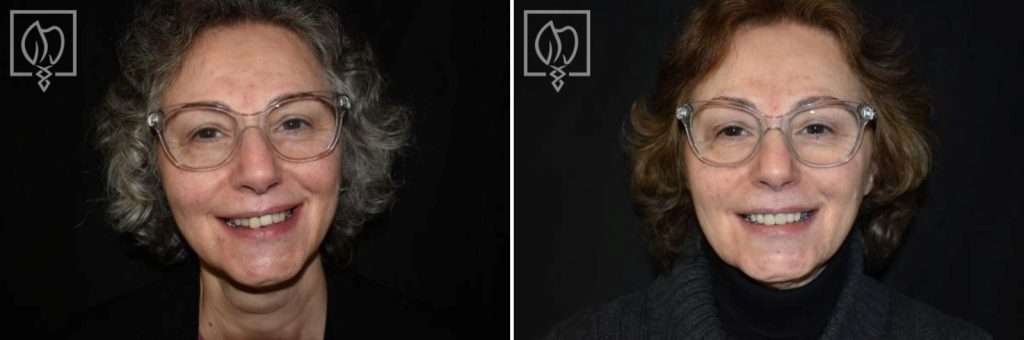
Temporary Crowns Restore Patient's Smile in Just One Day with an Immediate Smile Makeover
A patient from Potomac, Maryland, came to Elite Prosthetic Dentistry with the chief complaint of pain from a failing dental implant and its significant impact on her appearance.
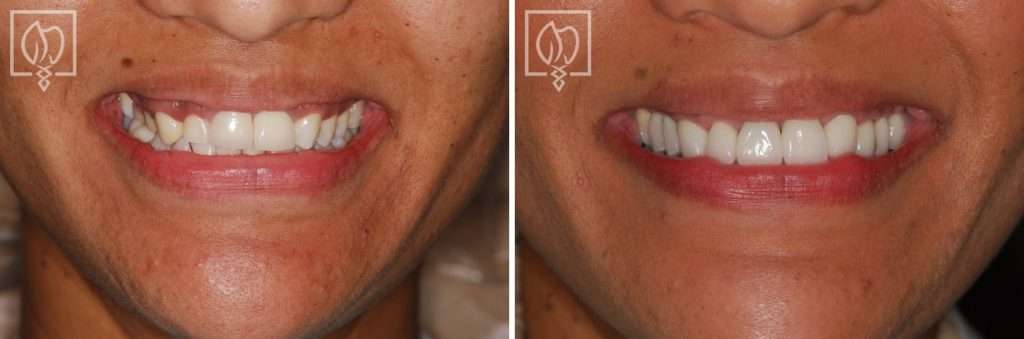
Multi-Faceted Treatment for Patient Unhappy With Her Artificial-Looking Crowns, Teeth and Gums
Many patients come to Elite Prosthetic Dentistry unhappy with the appearance of their smile. However, this particular patient presented with multiple interconnected problems that together created a smile she found deeply unsatisfying.
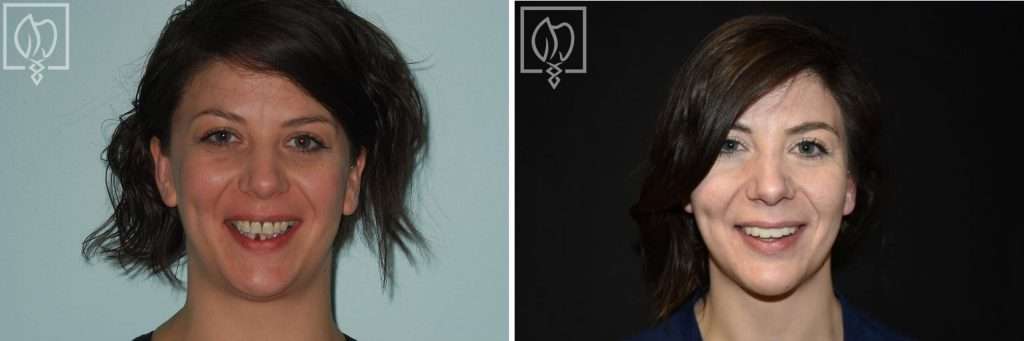
Salvaging Ms. N’s Severely Broken-Down Upper and Lower Teeth from Gum and Bone Disease
Many people in the U.S. suffer from extensive periodontal disease characterized by significant bone loss and shrinkage of the gum tissue. This condition can begin at a very young age and worsen quickly due to hereditary factors and lack of early diagnosis by their dentist.
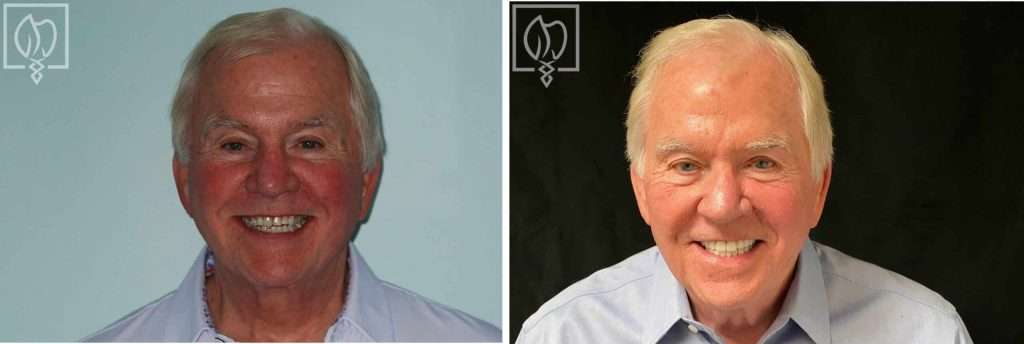
A Smile Transformation in Just Four Months: A Patient’s Dental Crown Restoration for a TV Series
A patient with dental crowns that were in poor shape was going to appear on a streaming video series on a major TV network that was scheduled to begin filming soon. Our patient, John, an author about to embark on a book tour, was anxious as his teeth were not up to his standards to appear on television.
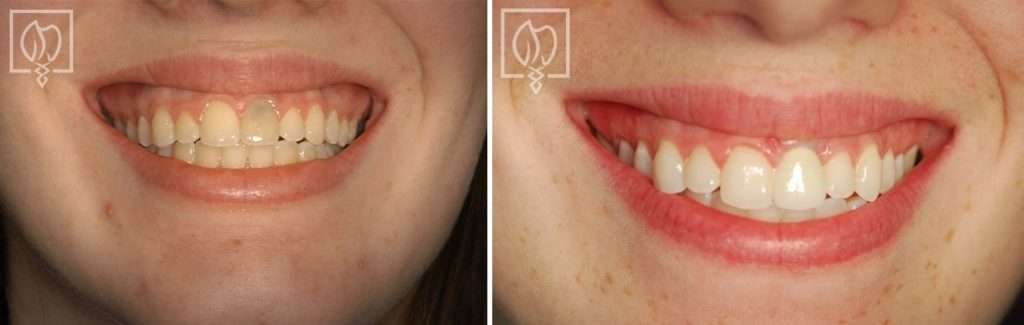
Replacing a Discolored Front Tooth with a Precision Placed Implant
Some of the most challenging restorations occur when fabricating an anterior crown to fit on an implant. Not only does one have the difficulty of matching the single front tooth to the other ones in the high visibility zone, but the dentist must also ensure the position of the underlying implant is precise through accurate preplanning and placement.
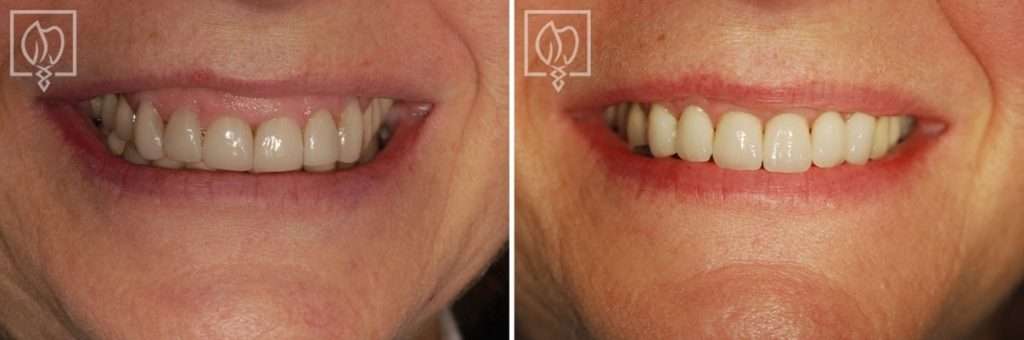
Patient Was Dissatisfied With Her 'Gummy' Smile
Excessive gingival tissue, commonly referred to as a "gummy smile," can significantly impact the appearance of a person's smile and their self-confidence. When someone smiles and a large amount of gum tissue is visible above the teeth, it can create the perception that the teeth are too small or short, even when they are actually normal size.
Our Services in Dupont Circle
Beyond crown-problems, Dupont Circle patients rely on Dr. Gerald Marlin for a full range of advanced dental care.
More services available in Dupont Circle:
crown-problems Near Dupont Circle
Dr. Gerald Marlin also provides crown-problems services for patients in these neighboring communities.
Getting Here from Dupont Circle
Elite Prosthetic Dentistry is conveniently located near Dupont Circle, DC.
Dupont Circle residents reach our office in 12 minutes via Connecticut Avenue NW
Address:
4400 Jenifer Street NW, Suite 220
Washington, DC 20015
Phone: (202) 244-2101
Schedule ConsultationSchedule Your Consultation from Dupont Circle
Dupont Circle residents trust Dr. Gerald Marlin for precision dental care. With 3,900+ implants placed and 40+ years of experience, your smile is in expert hands.