
Loose Dental Crown in Tenleytown, DC
Loose crown in Tenleytown? Explore how crown material choice affects fit, longevity, and loosening risk. Learn which materials perform best.
Loose Crown in Tenleytown: How Material Choice Affects Durability and Fit
When your crown becomes loose, one question worth asking is whether the material it’s made from contributed to the problem. Crown materials have different properties that affect how they respond to temperature, force, and the oral environment. Understanding these differences helps you make informed decisions about whether to replace your crown with the same material or upgrade to something better.
Tenleytown’s informed patients often ask about material options when their crowns need replacement. This is an excellent opportunity to choose a material that will give you superior longevity and stability.
Overview of Common Crown Materials
Several materials are commonly used for crowns, each with distinct properties.
Porcelain-fused-to-metal crowns have a metal substructure (typically a nickel-chromium or gold alloy) with a porcelain overlay. The metal provides strength, and the porcelain provides esthetics. These have been used successfully for decades. Modern custom crafted crowns offer improved options over these traditional materials.
All-ceramic crowns made from materials like porcelain or lithium disilicate have no metal substructure. They’re entirely ceramic, providing excellent esthetics and a more natural appearance. Modern all-ceramic materials are strong and durable. Our prosthodontic team can advise on the best material for your specific situation.
Zirconia is a ceramic material that’s extremely strong. Zirconia crowns combine the esthetics of all-ceramic with exceptional strength. They’re more difficult to adjust or grind if needed, but their durability is exceptional.
Gold crowns are used occasionally for back teeth. Gold is soft and malleable, making it easy to adjust. Gold has excellent longevity and doesn’t degrade in the mouth. However, the color is unacceptable for most esthetic situations.
Each material has properties that affect fit, longevity, and likelihood of loosening.
How Material Properties Affect Crown Fit
Crown fit depends partly on the material’s ability to maintain precise dimensions during fabrication and placement.
Porcelain-fused-to-metal crowns consist of a metal framework that’s cast and then covered with porcelain. The porcelain is fused to the metal at high temperature. The metal framework provides a stable substrate, but the porcelain overlay can sometimes crack or chip if the crown takes a hit, compromising the margins.
All-ceramic crowns are more difficult to fabricate with perfect precision because the material is brittle. However, modern computer-aided design and milling produce extremely precise ceramic crowns. The margins of modern all-ceramic crowns are often tighter than older porcelain-fused-to-metal crowns.
Zirconia crowns are strong but difficult to mill precisely because the material is so hard. However, advanced milling technology produces excellent zirconia crowns. The challenge is that minor adjustments after placement are more difficult with zirconia than with other materials.
Material choice affects how easily the final crown can be adjusted and how well the margins can be sealed.
Expansion and Contraction: How Temperature Changes Affect Crowns
When you drink hot coffee and then eat ice cream, your crown expands and contracts with the temperature changes. Different materials expand and contract at different rates.
If a crown is made of material that expands more than the underlying tooth, or less, the expansion differential creates stress on the cement bond. Over many temperature cycles, this stress can weaken the bond.
Porcelain and metal have different expansion rates, which creates some stress at their interface and at the interface with the underlying tooth.
All-ceramic materials have expansion rates closer to tooth structure, creating less expansion-related stress. Our CAD/CAM design ensures optimal adaptation to tooth structure.
This is one reason all-ceramic crowns sometimes have longer-term stability than porcelain-fused-to-metal crowns, though other factors are important too.
Mechanical Strength and How Material Durability Affects Loosening Indirectly
While strong materials don’t directly prevent loosening, they do reduce the risk indirectly.
A crown made of brittle material that chips or fractures develops gaps and marginal problems. These gaps allow bacterial infiltration and compromise the cement seal. For patients prone to grinding, strong materials become especially important.
A strong crown that resists chipping and fracturing maintains its structural integrity longer. The margins stay intact, the seal remains good, and loosening risk decreases. Our in-house lab can fabricate crowns in various materials to match your specific needs.
Zirconia’s exceptional strength means it resists the wear and damage that can compromise a crown’s margins. Over 15 to 20 years, a zirconia crown might maintain its marginal integrity better than a porcelain-fused-to-metal crown. For comprehensive smile design, advanced restorative dentistry coordinates all materials for optimal harmony. If grinding is a concern, strong materials become especially important as part of full mouth reconstruction planning.
The Margin Dilemma: How Material Affects Marginal Fit and Longevity
The margin is the junction between the crown and the tooth, and it’s critical to crown longevity.
Porcelain-fused-to-metal crowns have a margin that transitions from tooth to metal. This junction must be sealed perfectly with cement. If the margin is open or the fit is poor, decay and loosening risk increase.
All-ceramic crowns have a margin that transitions from tooth to ceramic. Modern all-ceramic crowns are computer-designed to fit with minimal margin gaps.
In the best modern practices, all-ceramic crowns often have superior marginal fit compared to older porcelain-fused-to-metal crowns, which can contribute to lower loosening risk.
However, an older porcelain-fused-to-metal crown placed with meticulous technique and excellent margins might have perfectly acceptable longevity.
The material matters, but so does how it’s fabricated and placed.
Wear Patterns and How Material Choice Affects Chewing Surfaces
Different materials wear differently under chewing forces.
Porcelain can wear, but the wear is usually gradual and minimal. The opposing natural tooth might wear faster than the porcelain crown.
All-ceramic materials have similar wear characteristics to porcelain.
Zirconia is extremely wear-resistant but can be extremely hard on opposing teeth. Some patients have reported more wear of opposing natural teeth against zirconia crowns.
Over 15 to 20 years, the wear patterns of different materials become apparent. Some materials maintain better chewing surface anatomy, supporting better marginal adaptation long-term.
The Age of Your Crown and Material Technology Advances
If your loose crown is older, the material it’s made from represents technology from when it was fabricated.
Porcelain-fused-to-metal crowns have been used for decades and are still a reliable choice. However, modern materials and fabrication techniques have improved significantly.
All-ceramic materials have become more durable and easier to fabricate precisely.
Computer-aided design and milling have revolutionized crown fabrication. A crown made 15 years ago using older laboratory techniques likely has less precise fit than a crown made today using digital design and milling.
If your loose crown is 12 to 15 years old, upgrading to a newer material fabricated with modern techniques is a great opportunity.
Cost Considerations for Different Crown Materials
Material costs vary, which affects the overall cost of crown replacement.
Porcelain-fused-to-metal crowns are often the least expensive option.
All-ceramic crowns are typically slightly more expensive than porcelain-fused-to-metal.
Zirconia crowns are often more expensive due to their material cost and milling requirements.
However, cost differences are often not as large as patients expect. And if a more durable material extends your crown’s lifespan by several years, the long-term value is better even if the upfront cost is higher.
Esthetic Considerations and Why They Matter
Material choice affects how natural and esthetic your crown looks.
Porcelain-fused-to-metal crowns show a dark line at the gum in some cases because the metal shows through. This is a compromise for esthetics.
All-ceramic crowns are more translucent and natural-looking, especially when light passes through the crown.
Zirconia can be made to look very natural, though some dentists use zirconia with a porcelain veneer on top for superior esthetics, which adds cost.
For front teeth where esthetics matter, all-ceramic or veneered zirconia is usually preferable. For back teeth where esthetics is less critical, material choice can be driven more by durability.
Adjustment and Maintenance: How Material Affects Your Ability to Modify a Crown
If your crown needs adjustment after placement, the material affects how easily adjustments can be made.
Porcelain-fused-to-metal crowns can be adjusted by grinding the porcelain surface.
All-ceramic crowns can be adjusted by grinding the ceramic surface, though care must be taken not to damage the material.
Zirconia is very hard and difficult to adjust. Minor adjustments are possible, but significant adjustments might not be feasible without completely remaking the crown.
If you prefer a crown that can be easily adjusted after placement, materials other than zirconia might be preferable.
Long-term Stability: What the Literature Tells Us
Research on crown longevity shows that modern all-ceramic crowns and high-quality zirconia crowns have excellent longevity, similar to porcelain-fused-to-metal crowns.
The difference in longevity is small and often related more to the quality of fabrication and placement technique than to material choice.
However, for anterior teeth, all-ceramic crowns are often preferred. For posterior teeth, all-ceramic and zirconia both perform excellently.
Rather than absolute material superiority, the best material is the one appropriate for your specific tooth and situation.
Choosing the Right Material for Your Loose Crown Replacement
When we replace your loose crown, we’ll discuss material options and make a recommendation based on several factors.
If your loose crown is on a front tooth and the original was porcelain-fused-to-metal, upgrading to all-ceramic is often a good choice for improved esthetics. If you have porcelain veneers on adjacent teeth, shade matching becomes even more critical.
If your loose crown is on a back tooth where esthetics is less critical, we might recommend zirconia for exceptional durability, or all-ceramic for the best balance of esthetics and durability.
If you grind your teeth, zirconia’s strength is beneficial. The nightguard protects your teeth from grinding forces, but strong crown material is an added layer of protection. For severe grinding damage, full mouth reconstruction might be appropriate.
If your bite force is particularly heavy, strong materials like zirconia might be preferable.
We’ll listen to your preferences and make a recommendation that balances material durability, esthetics, your bite, and your habits. For financing complex cases, dental financing options are available.
The Importance of Fabrication Quality Regardless of Material
Regardless of which material you choose, fabrication quality matters enormously.
A beautifully milled all-ceramic crown made by a skilled laboratory has superior fit and longevity compared to a poorly made all-ceramic crown.
The quality of your laboratory directly affects the quality of your crown.
We work with excellent laboratories that use modern equipment and skilled technicians. This ensures that regardless of the material you choose, your crown is made with precision and attention to detail.
What Happens to Your Old Crown
If your loose crown is replaced, you’ll have a new crown made from material we recommend. Your old crown will typically be discarded.
If you’re curious about preserving your old crown for sentimental or informational reasons, ask us. In some cases, we can preserve it for you, though this is unusual.
Moving Forward: Material Selection and Your Replacement Crown
When you come in for evaluation of your loose crown, we’ll discuss whether re-cementation or replacement is appropriate.
If replacement is recommended, we’ll discuss material options thoroughly. We’ll explain the advantages and disadvantages of different materials for your specific situation. We’ll answer your questions about durability, esthetics, and cost. For detailed consultation, concierge dentistry services provide comprehensive guidance.
We’ll make a recommendation based on our expertise and what we think is best for your tooth and situation.
Ultimately, you choose the material for your crown, but we’re here to guide you toward the best decision. If you want a second opinion, second opinion dentistry services are available.
Call our Tenleytown practice to schedule your evaluation. Let’s discuss your loose crown and, if replacement is needed, ensure you choose a material that will serve you well for many years.
For more about crown problems, visit our crown problems page. To learn more about our prosthodontic approach, read our prosthodontist page. For information about custom crowns and material options, visit our custom crafted crowns page. To learn about our in-house laboratory capabilities, read our in-house lab page. Tenleytown patients interested in cosmetic improvements can explore our cosmetic dentistry, veneers, and smile makeover services. For implant alternatives, visit our dental implants page. If you need emergency care, our emergency dental services are available.
The right material choice ensures your replacement crown performs excellently for years. Contact us to explore your options.
Frequently Asked Questions
Do crowns made of different materials loosen at different rates?
Yes, different materials have different properties that affect loosening risk. Porcelain-fused-to-metal crowns have a metal substructure with porcelain over it. All-ceramic crowns have no metal. Zirconia is a strong ceramic material. Different materials expand and contract at different rates with temperature changes and respond differently to mechanical stress. Material choice definitely impacts how likely a crown is to loosen.
Is an all-ceramic crown better than a porcelain-fused-to-metal crown?
Different materials have different advantages. All-ceramic crowns are more esthetic and may have better marginal fit. Porcelain-fused-to-metal crowns are very durable and strong. Zirconia crowns offer strength and esthetics. The best material for your situation depends on the tooth location, your esthetic goals, your bite force, and other factors. We'll recommend the material that's most appropriate for your specific tooth.
Can my old porcelain-fused-to-metal crown be replaced with an all-ceramic crown?
Absolutely. If your loose crown is a porcelain-fused-to-metal crown and you'd prefer an all-ceramic restoration, we can fabricate a new crown in whatever material best suits your needs. Modern all-ceramic materials are very durable and esthetic. This is a good opportunity to upgrade to a newer material if your current crown is old or problematic.
Does the material of my crown affect how easily it can become loose?
Indirectly, yes. Some materials are more prone to marginal gaps or fit issues depending on how they're fabricated. Modern materials and fabrication techniques produce better fits. An older crown made with outdated materials might have had suboptimal fit from the start, predisposing it to loosening. Newer crowns with modern materials and digital design typically have better fit and less loosening risk.
If I choose a stronger crown material like zirconia, will it prevent loosening?
Crown material strength helps prevent crown breakage, but loosening is primarily about the cement bond and marginal fit, not material strength. A strong zirconia crown can still loosen if the cement fails or if the crown has poor margins. However, strong materials are beneficial because they resist the wear and damage that can compromise marginal fit. Strength, combined with good fit and quality cement, gives you the best outcome.
Related Patient Success Stories
Explore similar patient success stories demonstrating our expertise in advanced prosthetic dentistry.
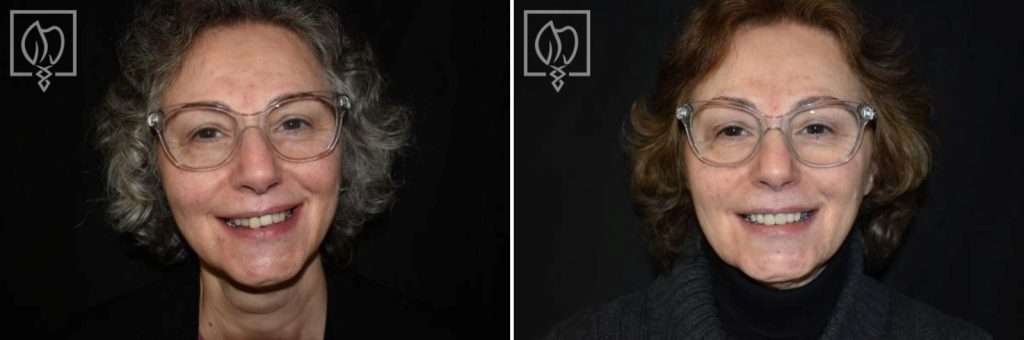
Temporary Crowns Restore Patient's Smile in Just One Day with an Immediate Smile Makeover
A patient from Potomac, Maryland, came to Elite Prosthetic Dentistry with the chief complaint of pain from a failing dental implant and its significant impact on her appearance.
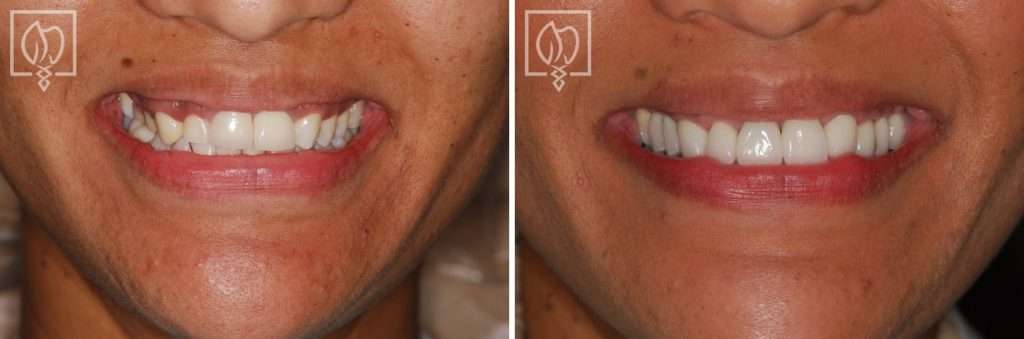
Multi-Faceted Treatment for Patient Unhappy With Her Artificial-Looking Crowns, Teeth and Gums
Many patients come to Elite Prosthetic Dentistry unhappy with the appearance of their smile. However, this particular patient presented with multiple interconnected problems that together created a smile she found deeply unsatisfying.
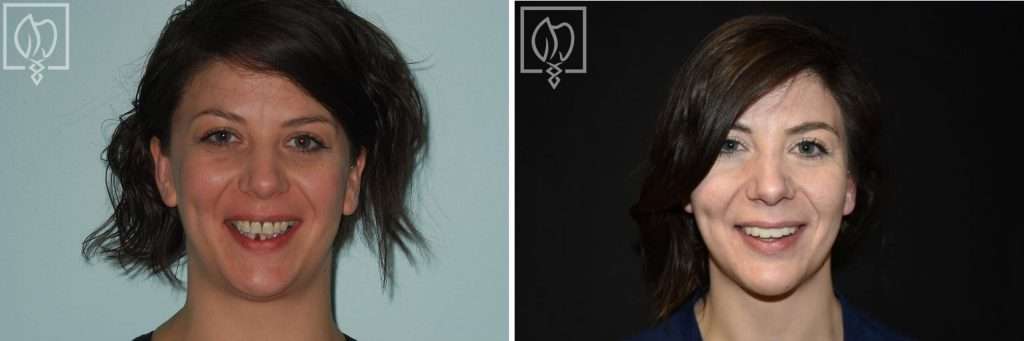
Salvaging Ms. N’s Severely Broken-Down Upper and Lower Teeth from Gum and Bone Disease
Many people in the U.S. suffer from extensive periodontal disease characterized by significant bone loss and shrinkage of the gum tissue. This condition can begin at a very young age and worsen quickly due to hereditary factors and lack of early diagnosis by their dentist.
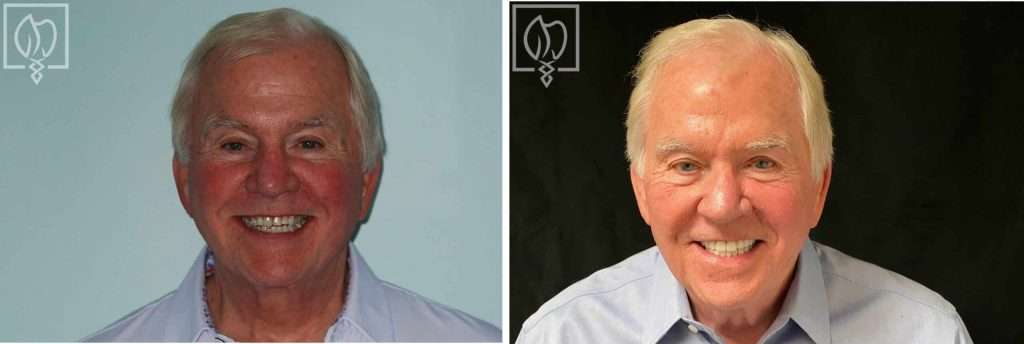
A Smile Transformation in Just Four Months: A Patient’s Dental Crown Restoration for a TV Series
A patient with dental crowns that were in poor shape was going to appear on a streaming video series on a major TV network that was scheduled to begin filming soon. Our patient, John, an author about to embark on a book tour, was anxious as his teeth were not up to his standards to appear on television.
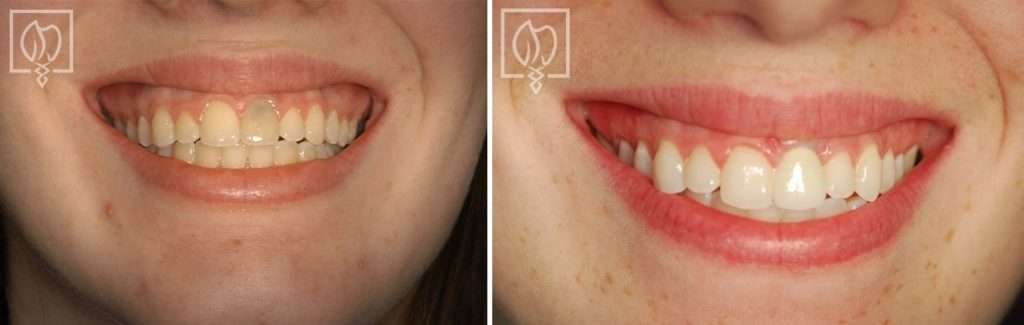
Replacing a Discolored Front Tooth with a Precision Placed Implant
Some of the most challenging restorations occur when fabricating an anterior crown to fit on an implant. Not only does one have the difficulty of matching the single front tooth to the other ones in the high visibility zone, but the dentist must also ensure the position of the underlying implant is precise through accurate preplanning and placement.
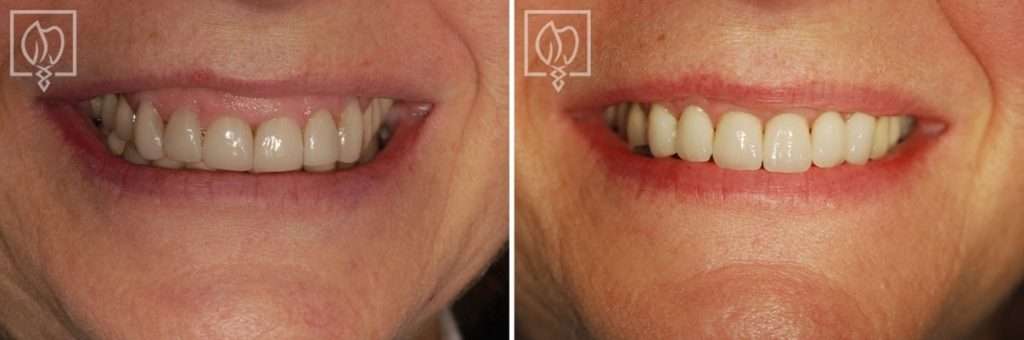
Patient Was Dissatisfied With Her 'Gummy' Smile
Excessive gingival tissue, commonly referred to as a "gummy smile," can significantly impact the appearance of a person's smile and their self-confidence. When someone smiles and a large amount of gum tissue is visible above the teeth, it can create the perception that the teeth are too small or short, even when they are actually normal size.
Our Services in Tenleytown
Beyond loose-dental-crown, Tenleytown patients rely on Dr. Gerald Marlin for a full range of advanced dental care.
More services available in Tenleytown:
loose-dental-crown Near Tenleytown
Dr. Gerald Marlin also provides loose-dental-crown services for patients in these neighboring communities.
Getting Here from Tenleytown
Elite Prosthetic Dentistry is conveniently located near Tenleytown, DC.
Tenleytown is just three minutes from our practice, making access to expert crown evaluation and replacement convenient for DC residents.
Address:
4400 Jenifer Street NW, Suite 220
Washington, DC 20015
Phone: (202) 244-2101
Schedule ConsultationSchedule Your Consultation from Tenleytown
Tenleytown residents trust Dr. Gerald Marlin for precision dental care. With 3,900+ implants placed and 40+ years of experience, your smile is in expert hands.