

Loose Dental Crown in Spring Valley, DC
Loose crown in Spring Valley? Learn how teeth grinding and bite force damage crowns and how nightguards and occlusal adjustments provide solutions.
Loose Crown from Grinding: Understanding Bite Force and Teeth Clenching
If your crown is loose and you grind your teeth at night or have a heavy bite, there’s likely a connection. Bite force and grinding create enormous stress on crowns and the teeth supporting them. Understanding this relationship and taking action to reduce that stress is critical to preventing your loose crown and protecting all your restorations long-term.
Spring Valley residents often don’t realize that their grinding habit is slowly damaging their dental work. A loose crown is often the first visible sign that excessive forces are at play.
The Forces Behind Grinding: Understanding Bruxism
Bruxism is the clinical term for teeth grinding, typically occurring at night during sleep. It’s an involuntary habit that many people have and don’t realize.
Normal chewing creates forces of about 100 to 200 pounds per square inch. Grinding creates forces that can exceed 1000 pounds per square inch. Over 20 to 30 grinding episodes per night, your teeth and restorations experience repetitive, extreme stress.
This enormous force load is something teeth and crowns simply aren’t designed to withstand night after night. Over months and years, this stress damages crowns, loosens them, cracks them, or damages the underlying teeth. Sometimes dental implants become a better option than repeated crown replacement for severely damaged teeth.
Unlike normal chewing, where forces are intermittent and varied, grinding creates repetitive force to the same areas of your mouth, creating cumulative damage.
Many Spring Valley professionals experience grinding, often related to stress. Your subconscious mind signals your jaw to clench and grind during sleep, and you’re completely unaware it’s happening.
How Grinding Damages Crowns
Grinding damages crowns through several mechanisms. The repetitive forces stress the cement bond, causing gradual loosening. The physical friction of grinding wears away the biting surfaces of the crown. The forces can cause the crown itself to crack, especially if the crown material is brittle.
If your crown has become loose, and you grind your teeth, grinding is likely a significant contributor. The cement bond isn’t as strong as tooth structure, and grinding stress exceeds what cement can withstand indefinitely. Even simple re-cementation without addressing the grinding habit often fails to provide lasting results. For comprehensive bite analysis, our prosthodontic evaluation ensures we identify all contributing factors. Patients can also discuss CAD/CAM crown technology for improved precision and durability.
Grinding also stresses the underlying tooth, potentially causing fractures that extend into the root. It damages the periodontal ligament holding the tooth, which can contribute to tooth loosening. In severe cases, full mouth reconstruction may be necessary to repair damage from chronic grinding. Our advanced restorative dentistry techniques can address even severely damaged teeth.
Over time, grinding can damage not just the loose crown but multiple teeth and restorations, creating a pattern of problems throughout your mouth.
Signs That Grinding is Damaging Your Crowns
Beyond a loose crown, several other signs suggest grinding is causing problems.
Worn teeth or crowns, with the biting surfaces flattened rather than having normal contours, indicate grinding. This wear pattern is distinctive; it’s not like normal age-related wear.
Cracks or fractures on crowns, especially ones that appear without obvious trauma, suggest grinding is putting undue stress on them.
Damage to the underlying tooth, visible as wear, cracks, or fractures, indicates excessive forces.
Broken fillings or repeatedly broken restorations suggest grinding is causing damage.
Jaw soreness or morning headaches, especially if you wake with jaw tension, suggest grinding.
If multiple teeth or restorations are loosening or failing without an obvious cause, grinding might be the underlying culprit.
Heavy Bite vs. Grinding: Understanding Your Bite Force
Not all damaging bite forces come from grinding. Some people have naturally heavy bites, clenching during the day without realizing it.
Heavy bite can develop due to jaw structure, muscle development, stress habits, or missing teeth that concentrate bite force on remaining teeth.
A heavy bite creates constant stress on teeth and restorations, though usually less extreme than grinding at night. However, the constant nature of a heavy bite can be just as damaging long-term.
Distinguishing between grinding and heavy bite helps us recommend the right intervention. Grinding requires a nightguard. Heavy bite might require a nightguard plus occlusal adjustment to balance forces. Patients with complex bite issues often benefit from advanced restorative dentistry planning.
The Nightguard Solution: How It Works
A nightguard is a custom-fitted appliance that covers your upper teeth and protects them and your lower teeth from grinding forces.
When you wear a nightguard, grinding forces are absorbed by the guard rather than transmitted directly to your teeth and restorations. The guard prevents direct tooth-on-tooth contact, which reduces wear and damage significantly.
A proper nightguard is firm, custom-fitted to your bite, and covers all your teeth. Over-the-counter guards available at pharmacies are typically less effective because they’re not custom-fitted and often come loose or cause more harm than good.
We fabricate your nightguard from impressions of your teeth, ensuring a precise fit. We adjust it in our office to ensure proper contact and comfort. We ensure you understand how to use it and maintain it.
Wearing a nightguard consistently is critical. If you wear it most nights but skip several nights per week, it’s only partially protective. Consistent nightly wear provides consistent protection.
Occlusal Adjustment: Balancing Your Bite
If your bite is unbalanced, with excessive contact or force in certain areas, occlusal adjustment can help.
Occlusal adjustment involves carefully reshaping the biting surfaces of your teeth and crowns to achieve balanced contacts. We might slightly flatten high spots, or adjust contacts to be more even across multiple teeth.
The goal is to distribute your bite forces more evenly across all your teeth, reducing stress on problem areas.
For a loose crown, if the crown has excessive contact or is taking more than its share of bite force, we can adjust the crown’s biting surface to balance forces better.
Occlusal adjustment is precise, conservative work. We remove only small amounts of tooth or crown structure, and we do it carefully.
After adjustment, your bite feels more balanced, and force is distributed more evenly.
Combining Approaches: Nightguard plus Occlusal Adjustment
Often, managing grinding requires both a nightguard and occlusal adjustment.
The nightguard protects your teeth and restorations from the extreme forces of grinding.
Occlusal adjustment ensures that even when you’re not wearing the nightguard (during the day or if you occasionally forget), your bite is balanced and not overloading specific teeth.
Together, these approaches provide comprehensive protection.
The Importance of Addressing Grinding Before Replacing Your Crown
If your loose crown is caused primarily by grinding, simply replacing the crown without addressing the grinding problem sets you up for the same problem to happen again.
A new crown placed without addressing your grinding habit will be subjected to the same grinding forces that damaged your previous crown. It’s likely to loosen again. With our advanced restorative dentistry techniques, we can design crowns that are more resistant to grinding damage.
This is why we talk about grinding when we’re evaluating a loose crown. If grinding is a factor, we recommend a nightguard as part of your treatment plan, even if you also replace the crown. For severe cases involving multiple teeth, porcelain veneers or other solutions might be considered as part of comprehensive treatment. Our cosmetic dentistry services can improve appearance while addressing functional concerns.
Nightguard use prevents the new crown from experiencing the same damage.
The Cost-Effectiveness of Prevention
A nightguard costs less than a crown replacement. Wearing a nightguard prevents crown damage, tooth fractures, and other grinding-related problems that are expensive to treat.
If you grind and have developed a loose crown from grinding, investing in a nightguard protects your remaining crowns and all your teeth from similar damage.
Over a decade, the cost of a nightguard is trivial compared to the cost of repeated crown replacements or other restorative work that grinding might necessitate.
Stress and Grinding: The Psychological Connection
Grinding is often stress-related. During stressful periods, people tend to grind more. Chronic stress often leads to chronic grinding.
While we can protect your teeth from grinding with a nightguard, addressing the underlying stress is also valuable. Stress management, whether through exercise, meditation, therapy, or other approaches, can reduce grinding.
Some patients find that as their stress decreases, their grinding decreases too. This is an individual variable, but if stress is your trigger, managing stress has multiple health benefits beyond dental health.
Identifying Early Signs of Grinding Damage
If you grind, identifying damage early prevents major problems. Regular dental checkups allow us to spot the early signs of grinding damage.
Wear patterns on your teeth are often the first sign. We can detect wear even before you notice it.
We can also identify stress on teeth and restorations and recommend preventive measures like nightguards before major damage occurs.
If you suspect you grind, ask us to examine you specifically for signs of grinding. Even if you don’t yet have obvious damage, we can recommend a nightguard as a preventive measure.
Nightguard Maintenance and Care
Once you have a nightguard, proper care extends its lifespan and keeps it effective.
Rinse it with water after use. You can use a soft toothbrush to clean it gently, but avoid hot water which can warp the material.
Store it in a case away from heat and direct sunlight.
Bring it to your appointments so we can check its fit and condition.
Replace it every few years as it wears from repeated grinding forces.
The Role of Relaxation and Sleep Quality
Beyond stress management, overall sleep quality and relaxation can reduce grinding.
Establishing consistent sleep and wake times helps regulate your sleep cycle. Avoiding caffeine, alcohol, and heavy meals before bed can improve sleep quality and reduce grinding.
Relaxation techniques before bed, like deep breathing or progressive muscle relaxation, can reduce the tension that contributes to grinding.
Better sleep quality and reduced tension often translate to less grinding, though this isn’t true for everyone.
When Your Crown Loosens but Grinding Isn’t the Culprit
If your crown is loose and you don’t grind your teeth, grinding isn’t the cause. Other factors like cement failure, decay, or age of the crown might be responsible.
However, if you do grind, even if grinding didn’t cause this particular loose crown, protecting your teeth with a nightguard is still important.
Moving Forward: If Your Loose Crown is Related to Grinding
If your loose crown is related to grinding, our approach addresses multiple elements. We’ll evaluate the crown and determine whether re-cementation or replacement is appropriate. We’ll likely recommend a nightguard. We might recommend occlusal adjustment. We’ll discuss stress management and sleep quality.
Together, these measures protect your loose crown long-term and prevent similar problems in your other teeth. If you’ve experienced significant damage from grinding, concierge dentistry services provide comprehensive, coordinated care for complex rehabilitation.
Call our Spring Valley practice to schedule an evaluation. We’ll examine your crown, assess your bite, and discuss whether grinding is a factor. We’ll explain what a nightguard would do for you and help you take steps to protect your smile.
For more about crown problems, visit our crown problems page. To learn more about our prosthodontic expertise, read our prosthodontist page. For comprehensive dental care and restorations, visit our custom crafted crowns page. If you have concerns about financing treatment, check our dental financing options. Interested in additional esthetic improvements? Explore our veneers and smile makeover services. For implant-based solutions, visit our dental implants page. If you need emergency care, our emergency dental services are available.
Protecting your crowns and teeth from grinding damage is essential. Contact us to discuss nightguard protection and comprehensive solutions.
Frequently Asked Questions
Can grinding my teeth at night cause my crown to loosen?
Absolutely. Grinding creates enormous forces on your teeth and restorations, often many times more force than normal chewing. These forces stress the crown and the cement bond. Over time, repeated grinding can loosen a crown, crack it, or damage the underlying tooth. If you grind, wearing a nightguard is essential to protect your crowns and all your teeth.
How do I know if I'm grinding my teeth at night?
You might not know directly, but several signs suggest grinding. You might wake with jaw soreness or headaches. Your spouse might report hearing grinding sounds at night. You might notice wear on your teeth or damage to restorations. Your crown might loosen without an obvious cause. Professional examination can often identify signs of grinding. If you suspect grinding, ask us to assess you during your next visit.
If I grind my teeth and have a loose crown, will a nightguard prevent future loosening?
Yes, in most cases. A properly fitted nightguard absorbs the forces of grinding, protecting your crowns and all your teeth. It won't restore an already loose crown, but it will prevent future loosening if the primary cause is grinding. If your crown loosens again in the future, a nightguard worn consistently can prevent that problem.
What is occlusal adjustment, and will it help my loose crown?
Occlusal adjustment involves carefully reshaping the biting surfaces of your teeth and crowns to balance your bite forces more evenly. If your bite is unbalanced and excessive force is concentrating on specific teeth and crowns, adjustment can redistribute forces. This doesn't just help your loose crown; it protects all your teeth and restorations from uneven stress.
If my heavy bite caused my crown to loosen, will re-cementation work, or do I need replacement?
If the crown itself is undamaged, re-cementation might work short-term, but unless you address the heavy bite or grinding issue, loosening will likely recur. We'll recommend re-cementation combined with nightguard treatment or occlusal adjustment. If the crown has been damaged by heavy forces, replacement might be necessary. Either way, addressing your bite is essential to preventing future problems.
Related Patient Success Stories
Explore similar patient success stories demonstrating our expertise in advanced prosthetic dentistry.

Temporary Crowns Restore Patient's Smile in Just One Day with an Immediate Smile Makeover
A patient from Potomac, Maryland, came to Elite Prosthetic Dentistry with the chief complaint of pain from a failing dental implant and its significant impact on her appearance.
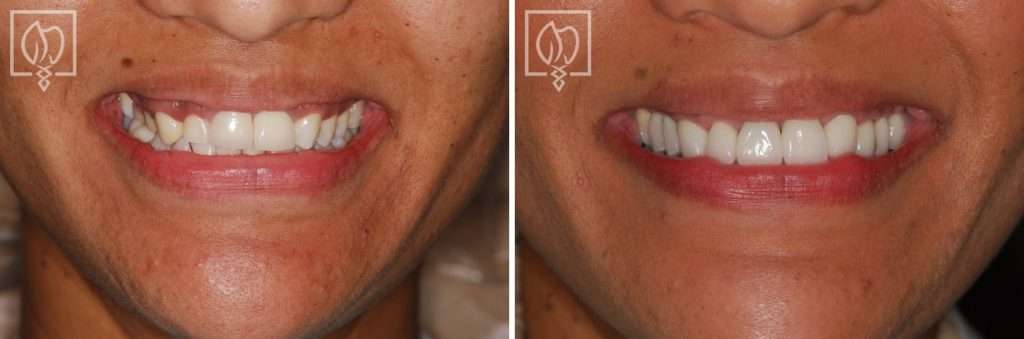
Multi-Faceted Treatment for Patient Unhappy With Her Artificial-Looking Crowns, Teeth and Gums
Many patients come to Elite Prosthetic Dentistry unhappy with the appearance of their smile. However, this particular patient presented with multiple interconnected problems that together created a smile she found deeply unsatisfying.

Salvaging Ms. N’s Severely Broken-Down Upper and Lower Teeth from Gum and Bone Disease
Many people in the U.S. suffer from extensive periodontal disease characterized by significant bone loss and shrinkage of the gum tissue. This condition can begin at a very young age and worsen quickly due to hereditary factors and lack of early diagnosis by their dentist.
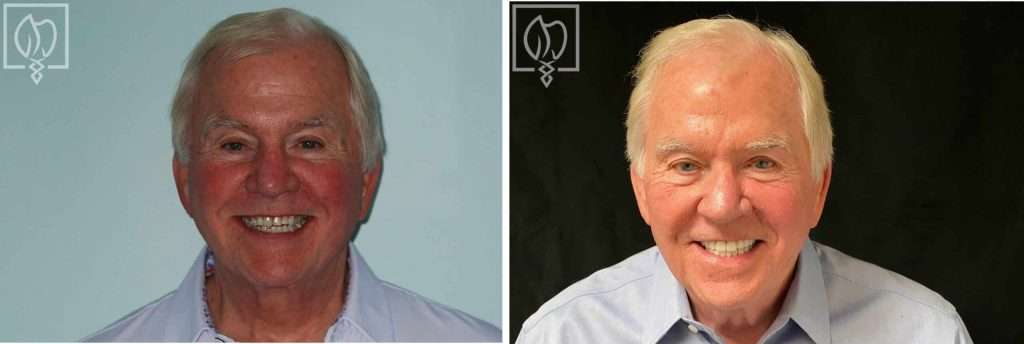
A Smile Transformation in Just Four Months: A Patient’s Dental Crown Restoration for a TV Series
A patient with dental crowns that were in poor shape was going to appear on a streaming video series on a major TV network that was scheduled to begin filming soon. Our patient, John, an author about to embark on a book tour, was anxious as his teeth were not up to his standards to appear on television.
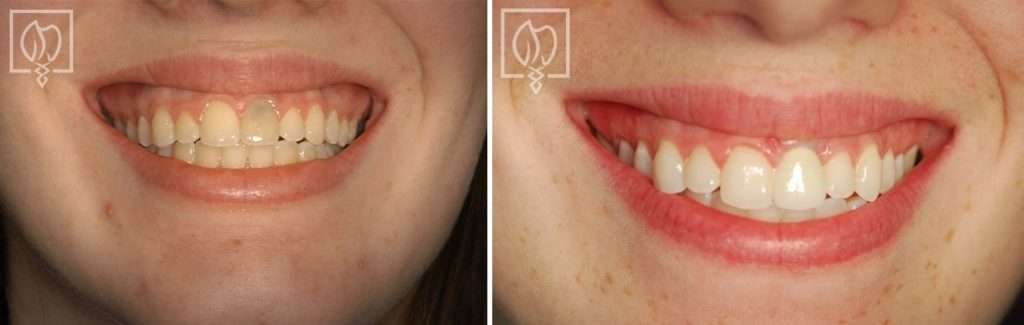
Replacing a Discolored Front Tooth with a Precision Placed Implant
Some of the most challenging restorations occur when fabricating an anterior crown to fit on an implant. Not only does one have the difficulty of matching the single front tooth to the other ones in the high visibility zone, but the dentist must also ensure the position of the underlying implant is precise through accurate preplanning and placement.
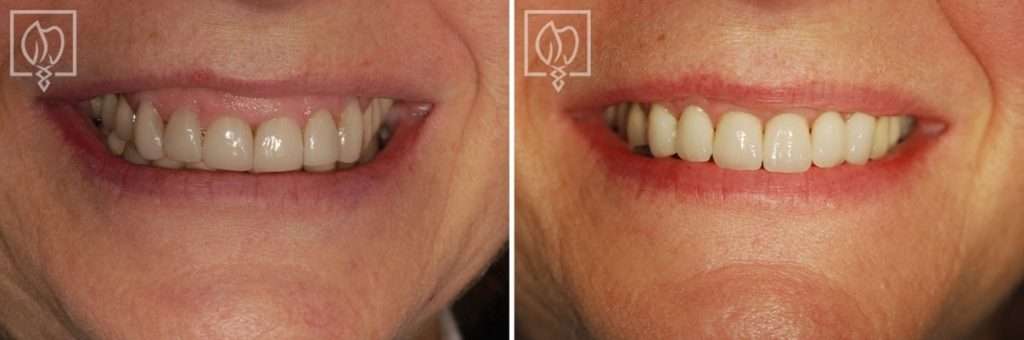
Patient Was Dissatisfied With Her 'Gummy' Smile
Excessive gingival tissue, commonly referred to as a "gummy smile," can significantly impact the appearance of a person's smile and their self-confidence. When someone smiles and a large amount of gum tissue is visible above the teeth, it can create the perception that the teeth are too small or short, even when they are actually normal size.
Our Services in Spring Valley
Beyond loose-dental-crown, Spring Valley patients rely on Dr. Gerald Marlin for a full range of advanced dental care.
More services available in Spring Valley:
loose-dental-crown Near Spring Valley
Dr. Gerald Marlin also provides loose-dental-crown services for patients in these neighboring communities.
Getting Here from Spring Valley
Elite Prosthetic Dentistry is conveniently located near Spring Valley, DC.
Spring Valley is just five minutes from our practice. Convenient access for DC residents seeking expert management of crown problems related to grinding and bite force.
Address:
4400 Jenifer Street NW, Suite 220
Washington, DC 20015
Phone: (202) 244-2101
Schedule ConsultationSchedule Your Consultation from Spring Valley
Spring Valley residents trust Dr. Gerald Marlin for precision dental care. With 3,900+ implants placed and 40+ years of experience, your smile is in expert hands.