

Dental Crown FAQs in North Bethesda, MD: Longevity, Sensitivity, and Fit
Common crown questions answered: How long do crowns last? Will I have sensitivity? Will the fit feel normal in North Bethesda, MD?
- question: “Will my crown look natural?”
answer: “Yes. Crowns from our on-site laboratory are designed to match your natural tooth color, translucency, and contours. Shade selection happens in person under calibrated lighting with direct comparison to surrounding teeth.”
- question: “How many appointments does crown treatment require?” answer: “Typically, crown treatment requires two appointments. At the first, the tooth is prepared and impressions are taken. The crown is fabricated in our on-site laboratory. At the second appointment, the completed crown is adjusted and cemented. The timeline is usually one to two weeks.”
North Bethesda residents appreciate quality that performs reliably over time. A damaged tooth often requires restoration with a crown, which both protects that tooth and represents a commitment to long-term dental health. A well-designed crown from a prosthodontist with an on-site laboratory ensures durability and natural appearance.
Dr. Gerald Marlin at Elite Prosthetic Dentistry, located 12 minutes from North Bethesda at 4400 Jenifer Street NW in Friendship Heights, has spent decades crafting durable, esthetic crowns. Each crown is designed and fabricated with the understanding that appearance and strength must work together.
Crowns in Prosthodontic Dentistry
A dental crown fully covers a damaged or weakened tooth, restoring its strength, protection, and appearance. While a general dentist can place crowns, a prosthodontist approaches crown design with specialized knowledge of how teeth should function together, how materials perform over time, and how a crown should integrate with surrounding natural teeth.

Prosthodontic training includes detailed study of dental ceramics, material properties, tooth preparation principles, and biomechanical restoration design. This ensures that every crown Elite Prosthetic Dentistry places protects the remaining tooth structure, supports proper bite mechanics, and maintains appearance for decades.
When a Crown is Recommended
North Bethesda patients typically need a crown when a tooth has a very large filling that is failing, when a tooth has undergone root canal treatment and become brittle, when a tooth has structural damage from trauma or fracture, or when older dental work needs replacement with modern restorations.
In each case, a crown offers the best long-term prognosis for that tooth.
North Bethesda residents considering crown treatment have questions about what to expect and how crowns will affect their daily life. These substantive answers address the most common concerns.
How Long Do Crowns Last?
Crown lifespan is one of the first questions patients ask. The answer depends on multiple variables working together. A well-fabricated crown from a quality laboratory, combined with healthy remaining tooth structure, excellent oral hygiene, and reasonable bite habits typically lasts 15-20+ years. Some crowns placed by Dr. Marlin more than 25 years ago remain functional today.
Material selection affects lifespan significantly. Zirconia crowns are more fracture-resistant than lithium disilicate, potentially extending longevity in grinding patients. Traditional porcelain-fused-to-metal crowns may show signs of aging (metal showing at the gum) before structural failure, sometimes driving replacement decisions on esthetic grounds rather than functional failure.
Oral hygiene is critical. Decay at the crown margin is the primary reason crowns eventually fail. Excellent oral hygiene, with careful flossing and brushing around the crown, prevents decay and extends lifespan significantly. Poor oral hygiene can result in decay within 5-10 years despite excellent crown fabrication.
Bite habits affect longevity. Grinding or clenching stresses crowns. Patients who grind their teeth should wear a nightguard to protect their crowns from stress fractures. Chewing on hard objects, ice, or hard candy accelerates crown failure. Normal eating habits preserve crown longevity.
Sensitivity After Crown Placement
Many patients experience sensitivity after crown placement, and understanding why this occurs helps reduce anxiety. Temperature sensitivity, in particular, is common immediately after cementation.
The tooth preparation removes the enamel covering that normally insulates the dentin. During the interim period wearing a temporary crown, the prepared tooth may experience sensitivity to temperature or air. Once the permanent crown is cemented, this sensitivity usually resolves. However, some patients experience lingering sensitivity even after permanent crown placement.
Root sensitivity after crown placement can result from several causes. A marginal gap between crown and tooth allows fluid movement in the dentin, triggering sensitivity. This can sometimes be treated with desensitizing agents applied to the margin. If the gap is significant, the crown may require recementation.
Fracture of the tooth preparation underneath the crown can cause sensitivity that develops days or weeks after placement. This is rare but requires investigation if sensitivity persists.
Occasionally, the underlying tooth was already partially decayed before crown preparation, and this decay continues after the crown is placed. New decay can develop at the crown margin if oral hygiene is poor. This usually manifests as increasing sensitivity over time.
Most crown-related sensitivity resolves within days to weeks. If sensitivity persists beyond 2-3 weeks, contact Dr. Marlin for evaluation.
How the Crown Will Feel in Your Bite
Your bite will feel different initially after crown placement. The crown’s contours are slightly different from your original tooth’s contours, and your bite requires adjustment. Most patients report that the bite feels normal within 1-2 days as their teeth adjust to the new contours.
Immediately after cementation, your bite may feel slightly high if the crown was not perfectly adjusted. Dr. Marlin uses articulating paper to check the bite contact during placement, and should the crown feel high after cementation, small adjustments are made immediately. Sometimes the cement requires a few days to fully set, after which the bite feels completely normal.
If your bite still feels off after 3-5 days, contact Dr. Marlin, who can make bite adjustments if needed. Bite refinement is a common and straightforward procedure.
Food Retention Around Your Crown
A properly fabricated crown should not trap food differently than your natural tooth. If you experience excessive food retention, this usually indicates a marginal problem or improper contact with the adjacent tooth.
Dr. Marlin checks both the crown margin and the contact point with the adjacent tooth during crown placement. A well-adapted margin should feel smooth and not trap food. Contact between the crown and adjacent tooth should be tight enough to prevent food trapping but not so tight that flossing is impossible.
If food retention becomes problematic after placement, Dr. Marlin can evaluate whether the margin needs refinement or the contact point needs adjustment. Sometimes these minor adjustments eliminate food trapping entirely.
Function: Chewing and Eating
Your crowned tooth is designed for normal chewing. You can eat whatever you want with a crowned tooth. The crown is strong enough to withstand normal biting and chewing forces. There are no eating restrictions beyond common sense about very hard objects.
Avoid using your crowned tooth as a tool (cracking nuts, opening bottle caps). Avoid chewing on hard candy, ice, or hard objects that could fracture the crown. Otherwise, your crowned tooth should function like a natural tooth.
If you grind your teeth at night, wearing a nightguard protects your crown from stress fractures caused by grinding pressure. A nightguard is a simple investment that significantly extends crown lifespan for grinding patients.
Signs Your Crown May Need Attention
Several warning signs indicate a crown needs evaluation or replacement. A loose crown that moves when you bite down has lost cementation and needs immediate attention. A loose crown exposes the prepared tooth to decay and should be recemented promptly.
A visible chip or fracture in the crown compromises the seal and may require replacement depending on fracture size and location. Visible dark margins at the gum line indicating metal showing through the porcelain may be esthetic grounds for replacement in front teeth.
Recurrent decay around the crown margin, indicated by discomfort or visible darkening, requires investigation by Dr. Marlin. Crowns with recurring decay issues may need replacement.
However, many surface cracks visible from outside are merely cosmetic and don’t compromise crown function. Dr. Marlin evaluates crown condition during regular exams and advises you whether the crown can be refinished or needs replacement.
Scheduling Your Crown Evaluation
If you’re a North Bethesda resident with questions about crowns or ready to begin crown treatment, schedule a consultation with Dr. Marlin. He’ll examine your tooth, answer your specific questions, and outline the treatment plan. Call (202) 244-2101 or request an appointment online today.
Frequently Asked Questions
How long do crowns really last?
Well-made crowns typically last 10-15 years or longer, with many lasting 20+ years. Longevity depends on multiple factors. Material quality and fabrication precision matter, as do your oral hygiene habits and bite mechanics. Crowns from our on-site laboratory tend toward the longer end of the lifespan because Dr. Marlin maintains direct quality control. If you grind your teeth or chew on hard objects, crown lifespan may shorten. Excellent oral hygiene prevents decay at the crown margin, which could eventually compromise the restoration. Regular exams allow Dr. Marlin to monitor your crowns.
Will I have sensitivity after the crown is placed?
Some temporary sensitivity is normal after crown placement. The tooth may be sensitive to temperature changes for days or weeks as it adjusts to the crown. This sensitivity typically resolves without intervention. If sensitivity persists beyond a few weeks, contact Dr. Marlin, who can apply a desensitizing treatment or evaluate whether the crown margin needs adjustment. Sensitivity during the temporary crown phase (before permanent crown placement) is common and expected. After the permanent crown is cemented, lingering sensitivity is usually mild and temporary.
How will the crown feel in my bite?
A properly fabricated crown should feel natural within 1-2 days. Immediately after cementation, the crown may feel slightly different because your bite is relearning the crown's contours. Within a day or two, your bite adjusts and the crown feels like part of your tooth. If the crown feels too high or interferes with your bite after 3-5 days, contact Dr. Marlin, who can adjust the bite contact. Sometimes the cement takes a few days to fully set, making the bite feel slightly different initially. This is normal and temporary.
Will food get stuck under or around my crown?
A well-fabricated crown with proper margins should feel like your natural tooth regarding food retention. If food retention occurs, it usually results from improper margin fit or contact with the adjacent tooth. Dr. Marlin checks both the margin fit and contact point during crown placement. If you experience food trapping after placement, contact Dr. Marlin, who can evaluate whether the margin needs refinement or contact point adjustment. Sometimes slight adjustments to the crown contour eliminate food trapping entirely. If the issue persists, the crown may require replacement.
Can I use my crowned tooth normally for chewing?
Yes, your crowned tooth is designed for normal use. You can eat whatever you want with a crowned tooth. Crowns are fabricated to withstand normal chewing forces. However, avoid chewing on hard objects, ice, or hard candy that could fracture the crown. If you grind your teeth at night, wear a nightguard to protect your crown from stress fractures. A crowned tooth functions like a natural tooth when the crown is well made. You should have no eating restrictions beyond good common sense about very hard objects.
How do I know if my crown needs replacement?
Several signs indicate crown replacement may be needed. A crown that's become loose and moves when you bite down has failed cementation and needs recementation or replacement. A crown with a visible chip or fracture compromises the seal and typically needs replacement. A crown with a dark margin that extends onto visible tooth surface may need replacement, especially if the margin is due to metal showing through. A crown with recurrent decay at the margin needs investigation. However, many cracks visible from outside are merely cosmetic surface cracks that don't compromise function. Dr. Marlin evaluates crown condition during regular exams.
What do I do if my crown becomes loose?
If your crown becomes loose, contact Dr. Marlin immediately. A loose crown exposes the prepared tooth to decay, staining, and fracture. Dr. Marlin will examine the tooth and crown. If the underlying tooth is healthy, the crown can often be recemented using new dental cement. If decay has developed under the crown or if the tooth preparation has fractured, the crown may require replacement. Do not attempt to glue the crown back yourself with household adhesives or temporary cement. Professional recementation is essential.
Why does my crowned tooth ever hurt or become sensitive?
Sensitivity after crown placement is usually temporary and resolves within days to weeks. Persistent sensitivity warrants investigation. Possible causes include marginal gap between crown and tooth allowing fluid into the dentin, fractured tooth preparation underneath the crown, or underlying decay that develops after crown placement. Some sensitivity can be treated with desensitizing agents. If the cause is a marginal gap, Dr. Marlin can evaluate whether receiving the crown is appropriate or whether replacement is needed. Root canal therapy may be necessary if deeper sensitivity persists.
Can my crown be whitened or bleached?
No. Porcelain and zirconia crowns do not respond to whitening agents the way natural teeth do. Tooth whitening chemicals cannot penetrate the crown material. If you're planning cosmetic whitening, it's best to whiten your natural teeth before crown placement so the crown shade can match your whitened teeth. After the crown is placed, the natural teeth around it can be whitened, but the crown itself cannot. This is why Dr. Marlin discusses whitening timing during crown treatment planning.
How should I care for my crowned tooth?
Care for a crowned tooth exactly as you would a natural tooth. Brush twice daily with a soft-bristled toothbrush. Floss daily, including under and around the crown. Avoid chewing on hard objects, ice, or hard candy. Wear a nightguard if you grind your teeth. See Dr. Marlin for regular exams and cleanings. No special maintenance is required. The crown is designed to withstand normal use without special care. Excellent oral hygiene prevents decay at the crown margin, which is the primary reason crowns eventually require replacement.
What's the difference between temporary and permanent cement?
Temporary cement holds the temporary crown loosely so it can be removed easily when the permanent crown is ready. Temporary cement dissolves over time, allowing the temporary crown to be removed without damage to the tooth preparation. Permanent cement uses a stronger formulation designed to hold the permanent crown indefinitely. Permanent cement is not removable once set. The permanent crown should not come loose under normal circumstances. If a permanent crown becomes loose, failure of the permanent cement has usually occurred due to decay at the margin or marginal gap development.
Related Patient Success Stories
Explore similar patient success stories demonstrating our expertise in advanced prosthetic dentistry.

Temporary Crowns Restore Patient's Smile in Just One Day with an Immediate Smile Makeover
A patient from Potomac, Maryland, came to Elite Prosthetic Dentistry with the chief complaint of pain from a failing dental implant and its significant impact on her appearance.
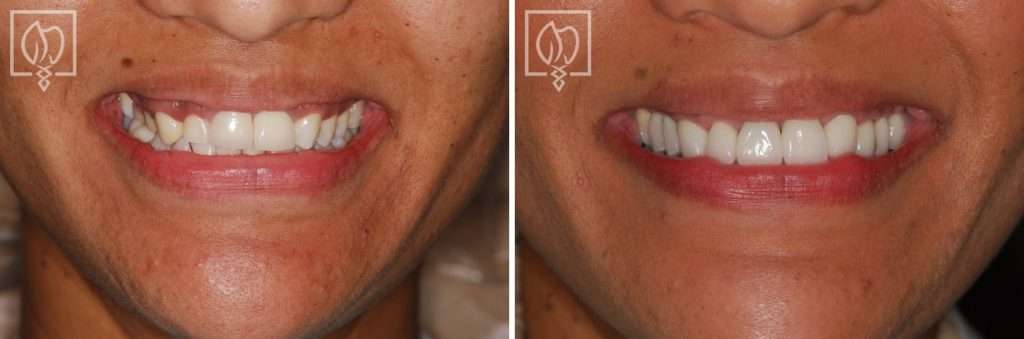
Multi-Faceted Treatment for Patient Unhappy With Her Artificial-Looking Crowns, Teeth and Gums
Many patients come to Elite Prosthetic Dentistry unhappy with the appearance of their smile. However, this particular patient presented with multiple interconnected problems that together created a smile she found deeply unsatisfying.

Salvaging Ms. N’s Severely Broken-Down Upper and Lower Teeth from Gum and Bone Disease
Many people in the U.S. suffer from extensive periodontal disease characterized by significant bone loss and shrinkage of the gum tissue. This condition can begin at a very young age and worsen quickly due to hereditary factors and lack of early diagnosis by their dentist.
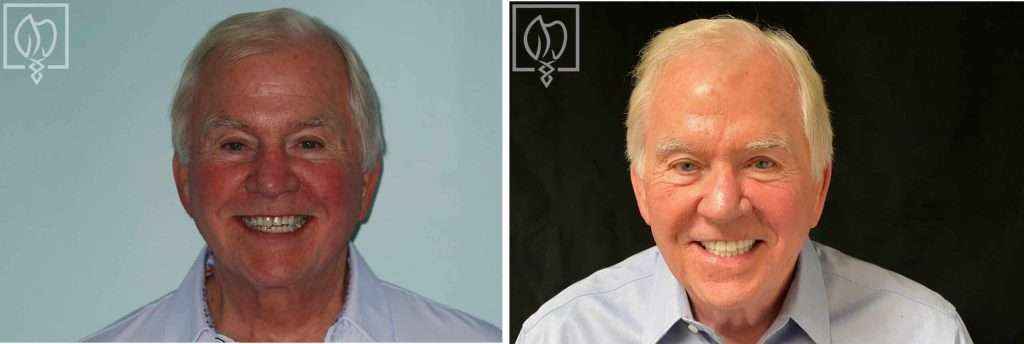
A Smile Transformation in Just Four Months: A Patient’s Dental Crown Restoration for a TV Series
A patient with dental crowns that were in poor shape was going to appear on a streaming video series on a major TV network that was scheduled to begin filming soon. Our patient, John, an author about to embark on a book tour, was anxious as his teeth were not up to his standards to appear on television.
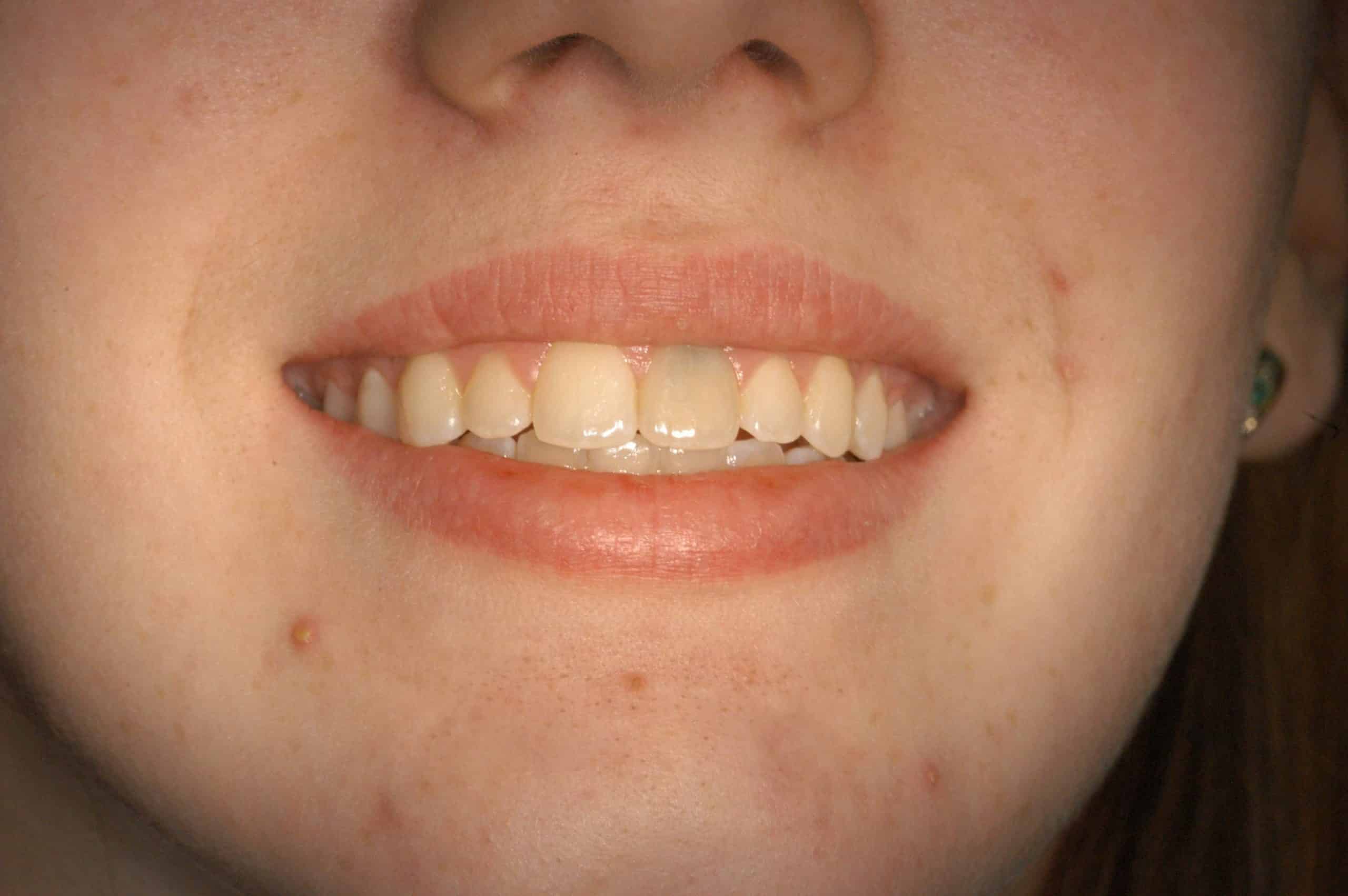
Replacing a Discolored Front Tooth with a Precision Placed Implant
Some of the most challenging restorations occur when fabricating an anterior crown to fit on an implant. Not only does one have the difficulty of matching the single front tooth to the other ones in the high visibility zone, but the dentist must also ensure the position of the underlying implant is precise through accurate preplanning and placement.
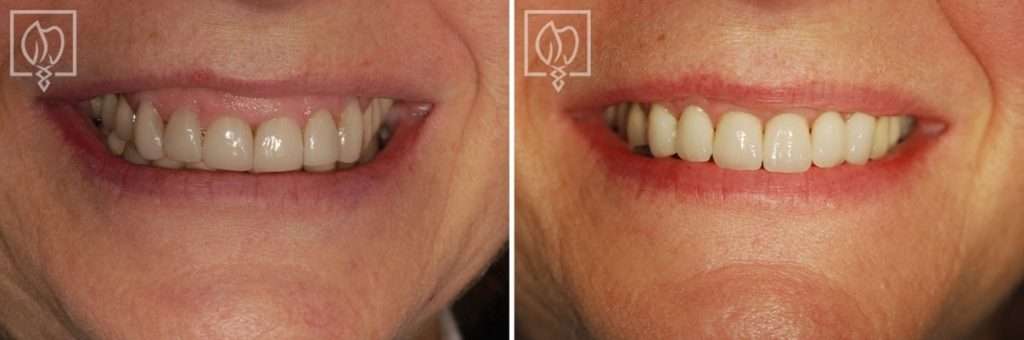
Patient Was Dissatisfied With Her 'Gummy' Smile
Excessive gingival tissue, commonly referred to as a "gummy smile," can significantly impact the appearance of a person's smile and their self-confidence. When someone smiles and a large amount of gum tissue is visible above the teeth, it can create the perception that the teeth are too small or short, even when they are actually normal size.
Our Services in North Bethesda
Beyond Dental Crowns, North Bethesda patients rely on Dr. Marlin for a full range of advanced dental care.
More services available in North Bethesda:
Dental Crowns Near North Bethesda
Dr. Marlin also provides dental crowns services for patients in these neighboring communities.
Getting Here from North Bethesda
Elite Prosthetic Dentistry is conveniently located near North Bethesda, MD.
Drive south on Rockville Pike or Old Georgetown Road to our Friendship Heights office. Free parking available.
Address:
4400 Jenifer Street NW, Suite 220
Washington, DC 20015
Phone: (202) 244-2101
Request a ConsultationRequest a Specialist Consultation from North Bethesda
North Bethesda residents come to Dr. Marlin for specialist prosthodontic care. With 3,900+ implants placed and restored over 40+ years, evaluation, planning, and execution are handled with the depth complex cases require.