
Crown & Bridge Problems in Woodley Park, DC
Woodley Park residents with failing crowns and bridges receive expert evaluation and specialized care from Dr. Marlin, a specialty-trained prosthodontist just 8 minutes away via Connecticut Avenue NW.
Woodley Park’s neighborhood character, proximity to Rock Creek Park, and established homes appeal to DC professionals and families. Woodley Park residents often value neighborhood stability and quality local services combined with convenient access throughout the city.
Being just 8 minutes away via Connecticut Avenue, Dr. Marlin’s practice offers Woodley Park residents convenient access to specialist evaluation and treatment of crown and bridge problems.
Silent Problems in Root Canal Treated Teeth
Woodley Park residents who’ve had root canal therapy know their tooth no longer has a living nerve. This means the tooth can’t signal problems through pain, making it essential to monitor crown-covered root canal teeth carefully through periodic professional evaluation.
Decay, bone loss, or other problems can develop beneath a crown without causing pain. Regular checkups and digital imaging every few years help catch problems early.
Decay Development Without Symptoms
The absence of pain under a crown on a root canal treated tooth can be deceptive. Decay can progress extensively before becoming obvious. This is why periodic professional evaluation is particularly important for crowns on root canal treated teeth.
Dr. Marlin specifically assesses root canal treated teeth for hidden problems that patients might not notice due to lack of pain sensation.
Recurrent Looseness and the Case for Replacement
Woodley Park residents experiencing crown looseness repeatedly (loosened, recemented, loosened again) should recognize this pattern as a signal that recementation is a temporary fix. The underlying problem is usually a crown margin that isn’t sealed properly.
Replacement with a properly positioned crown typically resolves the problem permanently rather than creating a cycle of repeated recementation.
Gum Recession Around Crowns
Woodley Park residents sometimes notice their crown feeling longer or becoming more visible over time. This often indicates gum recession. As gums recede, more crown surface becomes exposed. The crown margin (the edge where crown meets tooth) may become visible, creating esthetic concerns or potentially allowing decay to start at the margin.
Treatment options depend on how much recession has occurred and how much it bothers the patient.
Getting Here from Woodley Park
From Woodley Park, take Connecticut Avenue NW heading south. The drive is approximately 8 minutes depending on traffic. Connecticut Avenue is a major thoroughfare with predictable traffic patterns.
Bridge-Related Abutment Pain
Woodley Park residents with bridges sometimes experience pain in the abutment teeth that support the bridge. This pain can result from the bridge distributing excessive stress to those teeth. Bite adjustment or bridge design modification can sometimes reduce the stress and resolve the pain.
For Woodley Park patients, addressing abutment pain helps maintain long-term viability of the bridge.
Scenario: Multiple Crown Failures in Sequence
Some Woodley Park residents experience crowns failing sequentially rather than all at once: one crown becomes loose, another develops decay, a third fractures. This pattern suggests an underlying issue: aggressive decay susceptibility, bite problems affecting multiple crowns, or grinding and clenching accelerating wear.
Identifying and addressing the underlying issue prevents continued failures in other crowns.
Preventive Monitoring for Health
For Woodley Park residents with multiple crowns, comprehensive periodic evaluation helps identify patterns. If decay is developing in multiple crowns, better oral hygiene strategies may help. If bite is affecting multiple restorations, bite correction might benefit several crowns simultaneously.
Material Selection for Reliability
When Woodley Park residents require crown replacement, material selection considering your specific situation helps prevent recurrence of previous problems. For patients with multiple failed crowns, selecting durable materials like zirconia for back teeth can improve long-term outcomes.
Consultation and Pattern Recognition
Dr. Marlin’s consultation with Woodley Park patients includes not just evaluation of the immediate problem, but also assessment of whether patterns exist that predict future problems in other crowns or bridges.
Identifying these patterns allows preventive treatment that protects other restorations.
Long-term Maintenance Strategy
For Woodley Park residents with multiple crowns, developing a maintenance strategy helps prevent cascading problems. Meticulous oral hygiene, careful flossing around all crown margins, management of grinding or clenching, and regular professional monitoring all support long-term success.
Digital Monitoring
Periodic digital X-rays (every 1-2 years for patients with multiple crowns) help identify early decay or bone loss developing. Woodley Park patients who embrace this preventive monitoring approach often maintain better crown health long-term.
Bite Force Management and Crown Durability
Some Woodley Park residents have heavier than average bite forces. For these patients, material selection for crown replacement becomes important. Zirconia offers superior fracture resistance compared to all-ceramic.
Understanding your bite characteristics helps guide material selection that will be durable despite your specific chewing forces.
Bridge Support and Bone Loss Monitoring
For Woodley Park residents with bridges, monitoring bone support levels around abutment teeth is important. Bone gradually resorbs over years. Regular digital imaging helps track bone loss and project when bridge replacement might become necessary.
Early identification of bone loss allows strategic planning rather than crisis-driven replacement.
Decay Prevention in Crown-Covered Teeth
For Woodley Park residents who’ve experienced decay beneath crowns, prevention of recurrence is crucial. Enhanced oral hygiene focus, particularly careful flossing around crown margins, can prevent future decay.
Woodley Park patients implementing rigorous decay-prevention strategies after experiencing decay under a crown often avoid recurrence.
Professional Monitoring and Imaging
For Woodley Park residents committed to maintaining crown and bridge health, periodic professional monitoring with digital imaging every 1-2 years identifies early problems. This preventive approach catches issues before they become advanced.
Digital imaging is particularly valuable for identifying early decay that’s invisible clinically.
Material Science Advances
Modern crown materials are superior to materials available even 10 years ago. For Woodley Park residents requiring replacement crowns, material advances mean restorations with better durability, esthetics, and longevity than original crowns.
Understanding how materials have advanced helps Woodley Park patients appreciate the improvements available in replacement restorations.
Building a Restorative Health Strategy
For Woodley Park residents with multiple crown and bridge concerns, developing a comprehensive restorative health strategy guides long-term planning. Rather than addressing problems individually, strategic planning coordinates treatment of related restorations and prevents cascading failures.
Coordinated Care Between Specialists and General Dentists
For Woodley Park residents managed by both Dr. Marlin and their general dentist, clear communication ensures coordinated care. Specialist expertise combines with general dental oversight for comprehensive restorative management.
Related Resources
For Woodley Park residents with crown and bridge concerns, these resources provide valuable information:
- Crown and Bridge Problems - Overview of common issues
- In-House Lab - Premium fabrication capabilities
- Loose Dental Crown - Understanding loose crown problems
- Pain After Dental Crown - Managing crown discomfort
- Second Opinion Dentistry - Expert perspective on treatment
- Patient Success Stories - Real patient outcomes
Woodley Park residents with crown and bridge problems deserve evaluation by a specialist who can identify patterns in their restorative health and guide preventive strategies protecting future restorations. Dr. Marlin provides that expertise just 8 minutes from Woodley Park.
Understanding Silent Decay in Root Canal Teeth
For Woodley Park residents with root canal treated teeth under crowns, understanding that pain isn’t a reliable warning sign is important. Root canal treated teeth have no living nerve. Decay can progress silently.
Periodic radiographs help catch silent decay before it becomes advanced.
Bridge Pontic Evaluation and Maintenance
For Woodley Park residents with bridges, pontic condition assessment is important. The pontic (false tooth) carries forces and can fracture. Proper cleaning under the pontic prevents bacterial accumulation.
Bone Loss Monitoring
For Woodley Park residents with bridges, monitoring bone levels around abutment teeth helps project bridge longevity. Progressive bone loss limits future viability.
Digital radiographs compared over years reveal bone loss patterns.
Addressing Multiple Crown Failures
When Woodley Park residents experience multiple crown failures, identifying the underlying cause prevents continued problems. Systemic issues like aggressive decay, bite problems, or grinding require specific interventions.
Professional Monitoring and Prevention
For Woodley Park residents, regular professional monitoring combined with radiographs every 2-3 years helps catch problems early. Early intervention prevents advanced damage.
Root Canal Treated Teeth and Silent Problems
Woodley Park residents with root canal treated teeth under crowns must be aware that these teeth can develop problems silently because the tooth no longer has living nerve tissue to signal pain.
Decay can develop beneath the crown. Bone loss can occur around the tooth. Graft reactions or other problems can develop without causing pain. The first indication might be radiographic discovery of an advanced problem.
For Woodley Park patients with root canal treated teeth, periodic radiographs help catch silent problems before they become advanced.
Understanding Recurrent Looseness
When a Woodley Park resident reports their crown has become loose several times, this pattern indicates a fundamental problem. The crown margin probably isn’t sealed properly. Recementation provides temporary relief, but the problem recurs.
Understanding that repeated looseness requires replacement rather than continued recementation helps Woodley Park patients make appropriate treatment decisions.
Multiple Crown Failures and Systemic Issues
When Woodley Park residents experience multiple crowns failing sequentially or nearly simultaneously, a systemic issue is likely. Aggressive decay risk, bite problems affecting specific teeth, or grinding concentrated on certain restorations can all cause multiple failures.
A comprehensive evaluation identifies the underlying cause. Treatment addressing the cause prevents continued failures in other restorations.
(202) 244-2101
Frequently Asked Questions
Can a crown cause problems if the tooth beneath it is dead (root canal treated)?
Yes. A root canal treated tooth no longer has a living pulp, so it won't signal problems through pain. However, decay can still develop at the crown margin, bone loss can occur around the tooth, and other problems can develop silently. These teeth require careful monitoring even though pain isn't a reliable warning sign.
Should I replace my crown if it's been loose several times?
Recurrent looseness is a red flag. Once cement has failed repeatedly, the crown margin probably isn't sealed properly, and recementation is a temporary fix. Replacement with a properly seated crown is usually the better solution than continued recementation cycles.
What causes a crown to feel like it's getting longer over time?
This sensation often indicates gum recession around the crown. As gum tissue recedes, more of the crown's visible surface becomes exposed, making it feel larger. This can also indicate the margin is becoming visible, which may lead to esthetic concerns or decay risk.
Can my bridge cause pain in the abutment teeth even if they seem healthy?
Yes. A bridge that's putting abnormal stress on abutment teeth can cause pain even if decay or other obvious problems aren't present. This stress-related pain usually improves with bite adjustment or bridge replacement that distributes forces more evenly.
Is it normal to have multiple crowns fail around the same time?
Multiple crowns failing around the same time often indicates a systemic issue: aggressive decay in the patient, bite problems affecting multiple crowns, or grinding/clenching accelerating wear. Identifying and addressing the underlying cause prevents continued failures in other restorations.
Related Patient Success Stories
Explore similar patient success stories demonstrating our expertise in advanced prosthetic dentistry.

Temporary Crowns Restore Patient's Smile in Just One Day with an Immediate Smile Makeover
A patient from Potomac, Maryland, came to Elite Prosthetic Dentistry with the chief complaint of pain from a failing dental implant and its significant impact on her appearance.
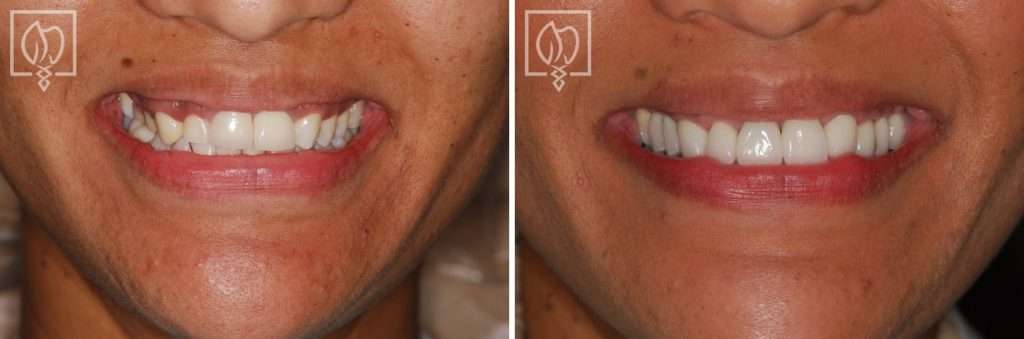
Multi-Faceted Treatment for Patient Unhappy With Her Artificial-Looking Crowns, Teeth and Gums
Many patients come to Elite Prosthetic Dentistry unhappy with the appearance of their smile. However, this particular patient presented with multiple interconnected problems that together created a smile she found deeply unsatisfying.

Salvaging Ms. N’s Severely Broken-Down Upper and Lower Teeth from Gum and Bone Disease
Many people in the U.S. suffer from extensive periodontal disease characterized by significant bone loss and shrinkage of the gum tissue. This condition can begin at a very young age and worsen quickly due to hereditary factors and lack of early diagnosis by their dentist.
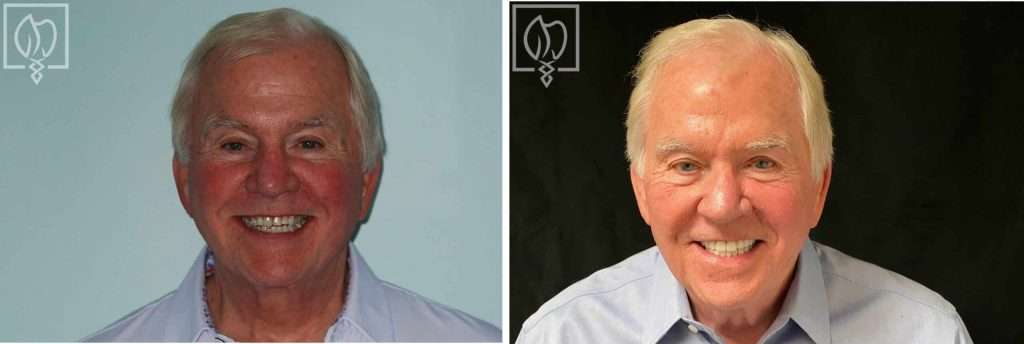
A Smile Transformation in Just Four Months: A Patient’s Dental Crown Restoration for a TV Series
A patient with dental crowns that were in poor shape was going to appear on a streaming video series on a major TV network that was scheduled to begin filming soon. Our patient, John, an author about to embark on a book tour, was anxious as his teeth were not up to his standards to appear on television.
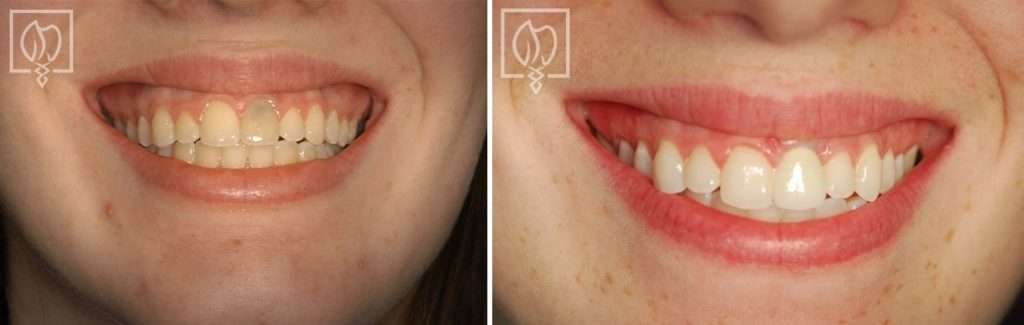
Replacing a Discolored Front Tooth with a Precision Placed Implant
Some of the most challenging restorations occur when fabricating an anterior crown to fit on an implant. Not only does one have the difficulty of matching the single front tooth to the other ones in the high visibility zone, but the dentist must also ensure the position of the underlying implant is precise through accurate preplanning and placement.
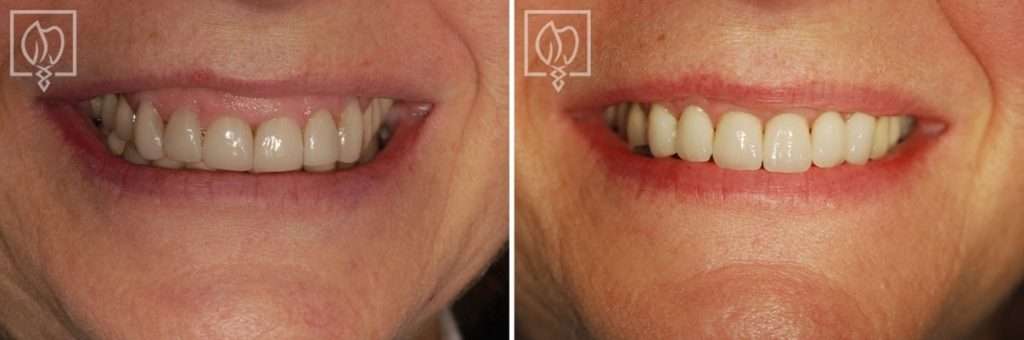
Patient Was Dissatisfied With Her 'Gummy' Smile
Excessive gingival tissue, commonly referred to as a "gummy smile," can significantly impact the appearance of a person's smile and their self-confidence. When someone smiles and a large amount of gum tissue is visible above the teeth, it can create the perception that the teeth are too small or short, even when they are actually normal size.
Our Services in Woodley Park
Beyond crown-problems, Woodley Park patients rely on Dr. Gerald Marlin for a full range of advanced dental care.
More services available in Woodley Park:
crown-problems Near Woodley Park
Dr. Gerald Marlin also provides crown-problems services for patients in these neighboring communities.
Getting Here from Woodley Park
Elite Prosthetic Dentistry is conveniently located near Woodley Park, DC.
Woodley Park residents reach our office in 8 minutes via Connecticut Avenue NW
Address:
4400 Jenifer Street NW, Suite 220
Washington, DC 20015
Phone: (202) 244-2101
Schedule ConsultationSchedule Your Consultation from Woodley Park
Woodley Park residents trust Dr. Gerald Marlin for precision dental care. With 3,900+ implants placed and 40+ years of experience, your smile is in expert hands.