
Crown & Bridge Problems in Tysons, VA
Tysons residents with failing crowns and bridges receive expert evaluation and specialized care from Dr. Marlin, a specialty-trained prosthodontist just 20 minutes away via I-495 South to Wisconsin Avenue.
Tysons’ modern commercial district, busy corporate environment, and convenient location attract professionals working throughout Northern Virginia and DC. Tysons residents often juggle demanding work schedules with family and personal priorities, making convenient access to healthcare services valuable.
For Tysons residents dealing with crown or bridge problems, Dr. Marlin’s expertise is accessible via I-495 South to Wisconsin Avenue in approximately 20 minutes, providing specialist consultation without excessive travel.
Quality Control and Crown Fabrication
Tysons residents sometimes wonder whether crown quality depends on where the crown is fabricated. Quality involves multiple factors: the dental lab’s reputation and standards, the dentist’s design and specifications, the tooth preparation quality, and the materials selected.
A lab’s reputation matters, but a skilled dentist specifying quality materials and providing clear design specifications is equally important. Dr. Marlin’s in-house lab ensures optimal quality control and allows direct oversight of fabrication to ensure crowns meet exacting standards.
Tooth Preparation and Crown Foundation
The foundation for a successful crown is a properly prepared tooth. A tooth with a large existing filling should usually have the filling replaced before crown preparation. This creates a better foundation and ensures decay isn’t hiding beneath old filling material.
Preparation quality, material selection, and design all influence crown longevity.
Temporary Crown Management During Fabrication
Tysons residents having crowns fabricated will wear a temporary crown for 1-2 weeks while the permanent crown is being made. Temporary crowns are made of softer material and require careful treatment. Avoid hard foods, be gentle when flossing, and contact your dentist if the temporary becomes loose or breaks.
The temporary’s job is to protect the prepared tooth and maintain appearance until the permanent crown is ready.
Getting Here from Tysons
From Tysons, take I-495 South and connect to Wisconsin Avenue heading toward Washington D.C. The drive takes approximately 20 minutes depending on traffic. I-495 can experience congestion during peak times, so planning travel time accordingly is helpful.
Repairing vs. Replacing Broken Crowns
Tysons residents whose crowns break sometimes hope a repair is possible. Small chips can be filled with composite material, but this is typically temporary. Larger breaks usually require full replacement because repairs don’t adequately restore structure or appearance.
Understanding that breaks usually mean replacement helps Tysons patients adjust expectations and planning.
Scenario: The Busy Professional with Multiple Crown Concerns
Some Tysons residents juggling demanding work schedules have multiple crown concerns but limited time for extensive dental treatment. Coordinating efficient treatment that addresses the most critical problems first helps manage time constraints while maintaining dental health.
Material Considerations for Busy Patients
Tysons residents who are very busy appreciate materials that require minimal maintenance and last a long time. Zirconia and lithium disilicate are durable choices requiring only regular brushing and flossing without special care.
Material selection with longevity in mind reduces future treatment disruption.
Taste and Adjustment Period
New crowns sometimes taste slightly unusual immediately after placement. This is normal as your mouth adjusts to the new restoration. The unusual taste typically subsides within days. Persistent unusual taste after a week suggests the crown may need adjustment or evaluation.
Coordinating Care with Busy Schedules
Tysons residents can often schedule appointments strategically to minimize disruption: a preparation appointment, temporary crown wear during normal work activity, and delivery of the final crown at a convenient time. Most patients continue normal work activities while wearing temporary crowns.
Bridge Problems Specific to Tysons Professionals
Tysons professionals often grind their teeth or clench their jaws during stressful work periods. This habit accelerates wear on bridges and can cause abutment crowns to develop problems prematurely. A night guard protects bridges and reduces stress on supporting teeth.
For Tysons residents experiencing bridge problems, addressing grinding or clenching is often essential to preventing recurrence after replacement.
The Timing Question: Replacing Before or After a Job Change
Some Tysons residents approaching job changes or relocations ask whether to replace problematic crowns before the transition. This depends on the crown’s condition and your timeline. If replacement is imminent, handling it before moving to a new area prevents dealing with crown emergencies while adjusting to new employment. If crowns are stable and only showing early warning signs, maintaining them through the transition is reasonable.
Exam Findings and What They Mean
During crown evaluation, Dr. Marlin explains findings clearly so Tysons residents understand what they mean. Marginal leakage is a specific problem with specific implications. Bone loss indicates specific underlying conditions. Understanding the clinical findings helps Tysons residents grasp why recommended treatment is necessary.
The Crown That Looks Fine But Needs Replacement
Some Tysons residents are puzzled when Dr. Marlin recommends replacement of a crown that looks fine and feels fine. This often indicates early warning signs of failure that are invisible to patients but obvious through clinical evaluation and imaging. Early decay at the margin, bone loss around the supporting tooth, or marginal deterioration can all be present without symptoms.
Proactive replacement of these crowns prevents emergency situations and more extensive damage.
Stress and Oral Health in High-pressure Careers
Tysons professionals in demanding careers sometimes neglect their dental health due to time constraints. Stress and work demands can also cause or exacerbate grinding and clenching. These factors combined can accelerate crown problems and complications.
Taking time to maintain dental health and manage stress through appropriate protective measures (like night guards) helps Tysons professionals maintain their restorations despite career demands.
Communication Between Your Dentist and Dr. Marlin
For Tysons residents who see Dr. Marlin for evaluation and then return to their general dentist for treatment, clear communication between providers ensures coordinated care. Dr. Marlin sends findings and recommendations to your dentist, allowing seamless coordination.
This collaborative approach provides Tysons patients with specialist expertise combined with local convenience.
Related Resources
For Tysons residents with crown and bridge concerns, these resources offer valuable information:
- Crown and Bridge Problems - Overview of common issues
- In-House Lab - Premium fabrication and quality control
- Custom Crafted Crowns and Bridges - Premium restoration options
- Loose Dental Crown - Understanding loose crowns
- Pain After Dental Crown - Managing crown discomfort
- Second Opinion Dentistry - Expert perspective on treatment
- Patient Success Stories - Real patient outcomes
Tysons residents with crown and bridge problems deserve evaluation by a specialist who can efficiently assess their situation and plan treatment coordinated with their busy schedules. Dr. Marlin provides that expertise within reasonable distance from Tysons.
Understanding Marginal Gaps and Leakage Risk
For Tysons residents, understanding how marginal gaps develop helps prioritize preventive care. Initially a crown’s margin fits snugly. Over years, cement gradually deteriorates. Microscopic gaps develop.
These gaps are too small to feel or notice, but they’re large enough to allow bacteria and saliva seepage. Decay develops at the margin.
For Tysons professionals, prioritizing preventive radiography helps catch early decay before it becomes obvious.
Bridge Framework Inspection and Integrity
When a Tysons resident requires bridge evaluation, assessment of framework integrity is essential. A radiograph and clinical examination reveal whether the framework has fractures or stress areas.
Framework cracks require replacement rather than repair.
Material Selection for Professional Durability
For Tysons professionals with demanding schedules, selecting crown and bridge materials emphasizing longevity reduces the likelihood of treatment-related disruption.
Zirconia and lithium disilicate offer exceptional durability requiring minimal maintenance or adjustment.
Professional Monitoring Strategy
For Tysons residents, establishing a professional monitoring protocol helps prevent emergencies. Regular professional evaluation combined with radiographs every 2-3 years catches problems early.
Early intervention prevents situations where crowns fail during critical professional periods.
Understanding Crown Fit and Seating
A crown must be carefully positioned on the prepared tooth. When the dentist seats the crown initially (before final cementation), it should slide over the prepared tooth with gentle pressure. If the crown is too tight, it won’t seat fully and will feel uncomfortable when biting.
Once seated, the crown’s contact with opposing teeth should feel normal compared to your other teeth. A crown that feels high or that contacts before other teeth creates occlusal trauma (excessive bite force on that tooth).
Bite adjustment usually resolves the problem quickly. The dentist adjusts the crown’s contact until it feels normal and comfortable.
Bridge Framework Integrity
A bridge’s strength depends on its framework structure. The pontic (false tooth) connects to the abutment crowns through framework arms. If the framework weakens, cracks, or fractures, the structural integrity of the entire bridge is compromised.
Radiographs sometimes reveal framework problems not obvious clinically. A stressed or fractured framework indicates the bridge needs replacement because partial repairs rarely achieve adequate strength.
For Tysons residents, understanding that bridge fractures require replacement rather than repair helps adjust expectations when this situation occurs.
Stress Management and Grinding Prevention
Tysons professionals in high-pressure careers sometimes grind their teeth or clench their jaws, particularly during stressful work periods. This habit dramatically accelerates crown and bridge wear and fracture risk.
A protective night guard is one of the most valuable preventive measures for professionals experiencing grinding stress. The guard absorbs grinding forces, protecting both natural teeth and restorations.
For Tysons residents experiencing multiple crown or bridge problems, addressing grinding habits should be part of the treatment plan to prevent continued problems.
(202) 244-2101
Frequently Asked Questions
Is the crown place of origin important in determining quality, or does technique matter more?
While some crown fabrication facilities have better reputations, the dentist's design, preparation technique, and specifications sent to the lab are equally important. A superior lab can't overcome a poorly prepared tooth or inadequate design specifications. Quality crowns require both good design and skilled fabrication.
Can a crown be placed on a tooth with a large existing filling instead of replacing the filling first?
This depends on the filling's condition and size. A large old filling should usually be replaced before the crown is prepared. Replacing the filling first creates a better foundation for the crown and ensures decay isn't hidden beneath the filling. Your dentist assesses whether the filling is sufficient or needs replacement.
What's the difference between a temporary crown and a provisional crown?
These terms are often used interchangeably. Both are temporary restorations protecting the prepared tooth while the permanent crown is fabricated. They're made of softer material and are meant to be worn for 1-2 weeks. Quality differs, but both serve the same protective function.
If my crown breaks, can it be repaired or does it always need replacement?
Small chips can sometimes be repaired with composite material bonded to the crown, though repairs are temporary. Larger fractures or breaks usually require full replacement because repairs don't restore the crown's structural integrity or appearance adequately.
Should I be concerned if my crown tastes weird after placement?
A slight unusual taste or feeling is common immediately after placement as your mouth adjusts to the new restoration. This typically settles within days. Persistent unusual taste after several days suggests the crown may have issues that need attention.
Related Patient Success Stories
Explore similar patient success stories demonstrating our expertise in advanced prosthetic dentistry.

Temporary Crowns Restore Patient's Smile in Just One Day with an Immediate Smile Makeover
A patient from Potomac, Maryland, came to Elite Prosthetic Dentistry with the chief complaint of pain from a failing dental implant and its significant impact on her appearance.
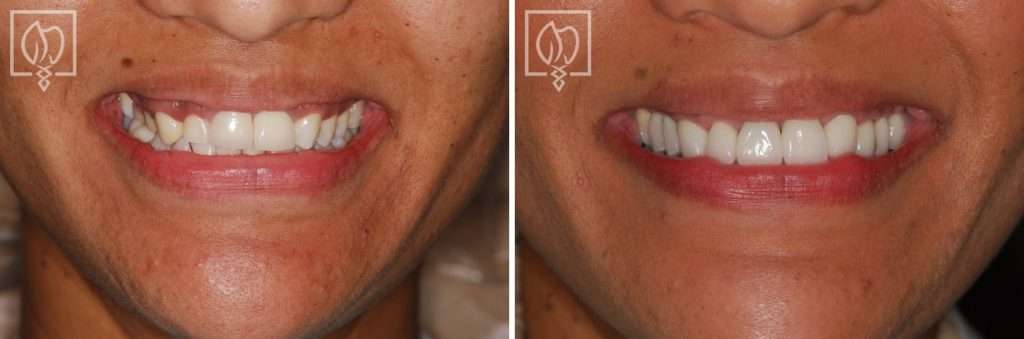
Multi-Faceted Treatment for Patient Unhappy With Her Artificial-Looking Crowns, Teeth and Gums
Many patients come to Elite Prosthetic Dentistry unhappy with the appearance of their smile. However, this particular patient presented with multiple interconnected problems that together created a smile she found deeply unsatisfying.

Salvaging Ms. N’s Severely Broken-Down Upper and Lower Teeth from Gum and Bone Disease
Many people in the U.S. suffer from extensive periodontal disease characterized by significant bone loss and shrinkage of the gum tissue. This condition can begin at a very young age and worsen quickly due to hereditary factors and lack of early diagnosis by their dentist.
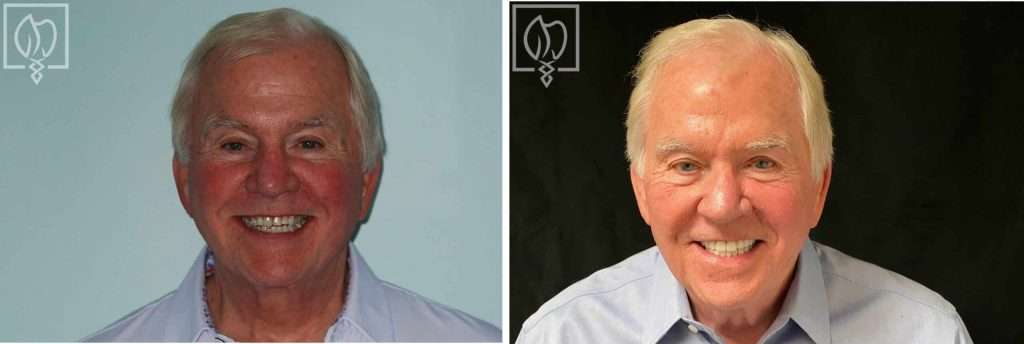
A Smile Transformation in Just Four Months: A Patient’s Dental Crown Restoration for a TV Series
A patient with dental crowns that were in poor shape was going to appear on a streaming video series on a major TV network that was scheduled to begin filming soon. Our patient, John, an author about to embark on a book tour, was anxious as his teeth were not up to his standards to appear on television.
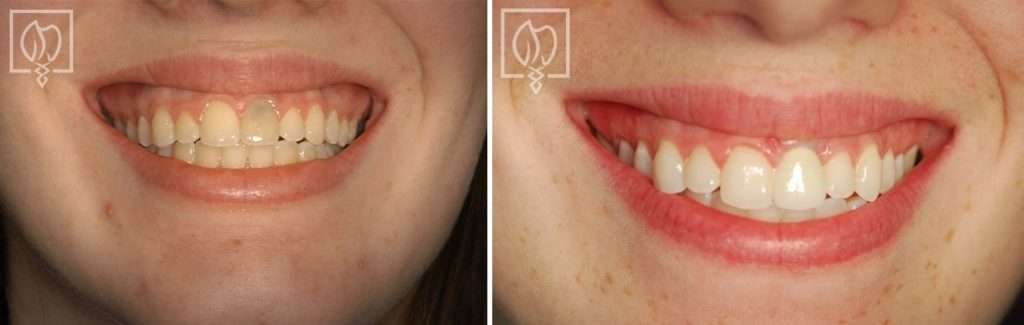
Replacing a Discolored Front Tooth with a Precision Placed Implant
Some of the most challenging restorations occur when fabricating an anterior crown to fit on an implant. Not only does one have the difficulty of matching the single front tooth to the other ones in the high visibility zone, but the dentist must also ensure the position of the underlying implant is precise through accurate preplanning and placement.
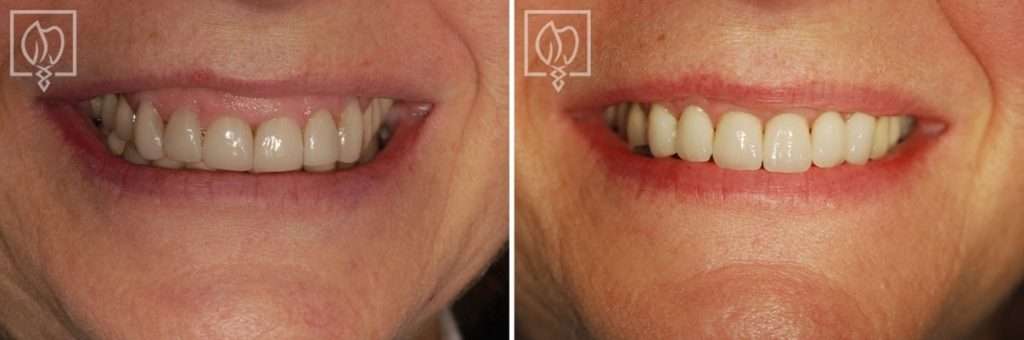
Patient Was Dissatisfied With Her 'Gummy' Smile
Excessive gingival tissue, commonly referred to as a "gummy smile," can significantly impact the appearance of a person's smile and their self-confidence. When someone smiles and a large amount of gum tissue is visible above the teeth, it can create the perception that the teeth are too small or short, even when they are actually normal size.
Our Services in Tysons
Beyond crown-problems, Tysons patients rely on Dr. Gerald Marlin for a full range of advanced dental care.
More services available in Tysons:
crown-problems Near Tysons
Dr. Gerald Marlin also provides crown-problems services for patients in these neighboring communities.
Getting Here from Tysons
Elite Prosthetic Dentistry is conveniently located near Tysons, VA.
Tysons residents reach our office in 20 minutes via I-495 South to Wisconsin Avenue
Address:
4400 Jenifer Street NW, Suite 220
Washington, DC 20015
Phone: (202) 244-2101
Schedule ConsultationSchedule Your Consultation from Tysons
Tysons residents trust Dr. Gerald Marlin for precision dental care. With 3,900+ implants placed and 40+ years of experience, your smile is in expert hands.