
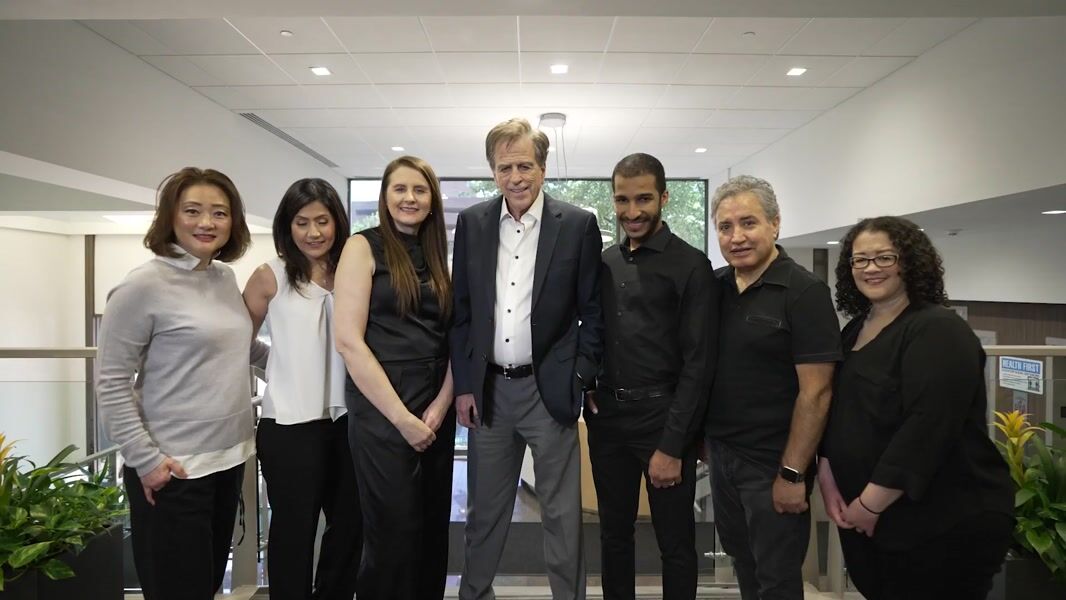
Veneer Fell Off in Arlington, VA
Did your veneer fall off after whitening? Learn how chemical and thermal factors weaken bonds and how to protect restorations after cosmetic treatments.
Veneer Debonding After Whitening: Understanding Chemical and Thermal Stress on Resin Bonds
Your veneer fell off. And the timing is suspicious. It happened right after you had your teeth whitened, or within a few weeks of whitening.
You’re wondering: did the whitening cause this? Could the dentist have warned you? What should you do differently next time?
This guide explains the chemistry and physics of how whitening stresses resin bonds, when the risk is real, and how to protect your restorations when pursuing cosmetic dentistry.
How Teeth Whitening Works and Why It Affects Resin
Professional teeth whitening uses peroxide-based gels, usually hydrogen peroxide or carbamide peroxide. These chemicals penetrate the enamel and dentin, breaking down stains and lightening tooth color.
The process requires either:
In-office whitening: Whitening gel is applied to your teeth and activated with a blue light. Heat from the light accelerates the whitening reaction.
Take-home whitening: You apply whitening gel in a custom tray and wear it for several hours daily over 7-14 days.
Both approaches work by peroxide chemistry. But both can stress resin restorations, particularly at the margins where resin meets tooth.
Peroxide Penetration and Resin Swelling
Here’s the chemistry. Peroxide is a small molecule. It penetrates tooth enamel and reaches the underlying dentin. It also penetrates margins, reaching the resin-tooth interface.
Once peroxide reaches the resin, it causes temporary swelling of the resin. Resin, by its nature, absorbs some water and some chemicals. Peroxide is one of those chemicals.
As the resin absorbs peroxide, it swells slightly. This swelling creates internal stress within the resin layer. The stress temporarily weakens the resin’s structure.
If the resin bond was already compromised or marginal, this temporary swelling pushes it past its breaking point. The resin fails. The veneer debonds.
This can happen during whitening or within days to weeks afterward, as the resin is slowly absorbing peroxide from residual whitening agent on the surface.
Thermal Stress: Heat and Cooling Cycles
In-office whitening uses a blue light to activate the whitening gel. This light generates heat. The light is typically held near your teeth for 15-20 minutes.
The heat from the light raises the temperature of your tooth. Resin has a different thermal expansion coefficient than tooth structure. When heated, they expand at different rates. This creates stress at their interface.
Additionally, whitening can create sensitivity, which some people address with ice water. The combination of heat from whitening followed by cold water creates thermal cycling stress. Your resin bond experiences expansion and contraction cycles that fatigue the material.
If the original bonding was marginal, thermal stress from whitening and subsequent thermal cycling weakens it further.
Structural Changes: Resin Maturation and Darkening
Over time, resin that’s been whitened occasionally can develop subtle structural changes. The peroxide may cause some cross-linking of resin polymers, making it more brittle over time.
Also, resin darkens slightly with whitening exposure. This may not be visible, but it indicates chemical changes in the resin structure. These changes reduce the resin’s flexibility and increase its brittleness.
A brittle resin bond is more prone to cracking than a flexible bond.
Why Your Veneer Timing Is Suspicious
If your veneer debonded within weeks of whitening, the causation is highly likely, not coincidental.
Veneers don’t whiten because they’re not living tooth structure. The shade of your veneer is locked in at the laboratory. Whitening doesn’t lighten it. This is why we emphasize coordinating teeth whitening before veneer placement when possible.
When you whiten your teeth while wearing veneers, the natural tooth structure around the veneer margins whitens, but the veneer stays the same shade. This creates a shade mismatch where the veneer is suddenly darker than your natural teeth. Addressing this requires either ultimate smile makeover planning or replacement with shade-matched restoration.
So whitening is typically not recommended after veneers are in place. But some patients don’t know this and have whitening done anyway.
If you whitened after your veneers were placed, and your veneer debonded within weeks, the peroxide and thermal stress from whitening almost certainly contributed.
Assessing Risk Before Whitening
Before whitening your teeth when you have veneers, a responsible dentist should perform proper assessment. This is part of comprehensive cosmetic dentistry planning.
Examine your veneers closely for signs of marginal breakdown or bonding compromise.
Assess the strength and integrity of resin bonds.
Warn you if veneers appear at risk from whitening.
Recommend rebonding veneers before whitening if they show any signs of compromise.
Test margins with instruments to assess their integrity.
If your dentist simply approved whitening without this examination, they didn’t assess your veneer health adequately.
Warning Signs Your Veneer Was At Risk Before Whitening
In hindsight, you may have noticed these signs that your veneer was vulnerable:
Slight mobility or movement in the veneer when you pushed it with your tongue.
Visible margin lines or visible aging of margins.
Slight shade manding at margins (margin looked darker or different color).
Sensitivity in the tooth under the veneer.
The veneer felt slightly rough at margins.
Food particles catching under the veneer.
Any of these signs indicated the veneer was bonding compromise and at risk from whitening stress.
The Timeline: How Quickly Can Whitening-Induced Debonding Occur?
Debonding can occur at different speeds depending on how compromised the original bond was:
Fast timeline: During or within 24 hours of whitening. The peroxide and thermal stress immediately exceeded the bond’s capacity. The veneer debonds while you’re being whitened or the next day.
Medium timeline: Within 1-2 weeks after whitening. The veneer bond held through whitening but progressively weakened as residual peroxide continued to affect the resin. It debonded 1-2 weeks later.
Slow timeline: Within 2-4 weeks after whitening. The stress was cumulative. The resin gradually absorbed peroxide and weakened over weeks until the bond failed.
A properly bonded veneer shouldn’t debond after whitening at any timeline. But a marginally bonded veneer will fail at some point in this window.
What You Should Do Differently: Pre-Whitening Strategy
If you want to whiten and you have veneers, here’s the ideal approach:
Whiten before veneers are placed. This is the best option. You establish your desired whitened shade. Then your veneers are fabricated to match that shade exactly. Post-placement whitening is unnecessary.
Get veneer approval before whitening. If you already have veneers and want to whiten, have them examined. If they show any signs of compromise, rebond them before whitening.
Use lower-concentration whitening. Take-home whitening with lower peroxide concentration is less likely to stress resin bonds than in-office whitening with high-concentration gel and heat.
Avoid in-office whitening with heat lights. The thermal stress is significant. If you must have professional whitening, request non-heat activation if available.
Discontinue whitening if you experience sensitivity. If you feel sensitivity under your veneer during whitening, stop immediately. The sensitivity indicates peroxide is penetrating the margins.
Wait if margins show any breakdown. If margins appear compromised before whitening, postpone whitening until the veneer is rebonded or replaced.
Post-Whitening Care
If you’ve had whitening done and your veneers are still intact, protect them:
Avoid acidic foods and beverages for 24-48 hours after whitening. Acid softens resin temporarily.
Avoid extreme heat (hot beverages) for 24 hours. Thermal stress is highest immediately after whitening. For patients with multiple restorations, we recommend advanced restorative dentistry approaches that account for these thermal factors.
Don’t eat hard or sticky foods that stress veneers.
Wait at least one week before whitening again if you’re doing multiple sessions.
Don’t sleep with whitening trays in place longer than recommended. Extended tray wear increases peroxide penetration.
Enamel Mending and Cosmetic Gaps: Why Your Veneer Shade Doesn’t Match
After whitening your natural teeth, you’ll notice your veneer appears darker than your newly whitened teeth. This is because the veneer doesn’t whiten; it was fixed in color at the lab.
You now have several options:
Replace the veneer with a lighter shade. This is the most reliable approach. A new veneer matched to your whitened teeth eliminates mismatch.
Whiten the other side. If only your treated teeth are veneered, you can whiten the unveneered teeth to match. But this doesn’t help if your front veneer is now too dark.
Accept the mismatch. Some patients live with slight shade differences. If the difference is subtle, it may be acceptable to you.
Postpone whitening. This is the lesson going forward: whiten before veneers, not after.
Your Arlington Path Forward
When you come to our Arlington office with your debonded veneer, we examine what happened.
If whitening stress contributed, we discuss how to prevent this in the future.
We offer rebonding your original veneer using modern technique, or replacement with a shade that matches your whitened teeth.
We explain the relationship between whitening and veneers going forward.
We emphasize that for your replacement veneer, any future whitening should happen before the veneer is bonded, or you should plan replacement if you whiten afterward.
We also review your bite and bonding technique to ensure your replacement veneer is bonded optimally to resist future stress.
Coordinating Cosmetic Dentistry: A Comprehensive Approach
Cosmetic dentistry planning should coordinate multiple treatments. This is the foundation of our ultimate smile makeover philosophy:
Want to whiten and get veneers? Whiten first, then place veneers in the whitened shade.
Already have veneers and want to whiten? Check veneer health first. Consider timing of whitening versus veneer replacement.
Multiple cosmetic treatments planned? Sequence them to protect restorations. Whitening before veneers. Bonding before whitening. Nightguard before aggressive grinding stresses restorations.
A comprehensive approach prevents problems like yours.
Exploring Cosmetic Dentistry Coordination
If you want to learn more about veneers in Arlington, our veneers in Arlington page explains design and material approach. Our veneer problems in Arlington page covers other failure modes.
For cosmetic dentistry context, our cosmetic dentistry in Arlington page explores smile design and treatment sequencing. Our prosthodontist in Arlington page outlines Dr. Marlin’s expertise with complex cosmetic cases.
We also have resources on broader topics. Our porcelain veneers in Washington DC page covers best practices for veneer longevity. Our failing veneers page addresses why veneers fail and prevention strategies. Our botched cosmetic dentistry page covers cases where coordination between procedures is needed. Our in-house lab page explains our laboratory capabilities for shade matching. Our emergency dental restorations page covers rapid response for fallen veneers. Our second opinion dentistry page explains how we assess existing cases. Our CAD/CAM restorations page discusses modern fabrication techniques that prevent whitening-related failures.
If you’re interested in understanding optimal sequencing for whitening and veneers, our cosmetic dentistry in Arlington page has detailed guidance. When you’re ready to address your fallen veneer and plan your next steps, request an appointment to discuss with Dr. Marlin.
Your smile deserves restorations designed to survive cosmetic treatments and long-term care.
Frequently Asked Questions
Did my teeth whitening actually cause my veneer to fall off, or is that just coincidence?
Whitening chemicals can weaken resin bonds if they penetrate the margins. Peroxide-based whitening agents can cause resin to swell and soften temporarily. Additionally, the heat from whitening lights or trays can create thermal stress on resin bonds. If your veneer fell off within weeks of whitening, the timing suggests causation, not coincidence.
Why would whitening weaken a bond that was fine before?
Resin absorbs moisture and swells slightly. Whitening peroxide accelerates this swelling. Thermal changes from whitening also stress the resin. If your original bonding was marginal (which it apparently was if it failed), the additional stress from whitening pushed it past its breaking point.
Should I have been warned before whitening that my veneers were at risk?
Yes. A responsible dentist should examine your veneers before whitening and warn you if they appear compromised or if margins show signs of breakdown. If margins were already failing, whitening should be postponed until veneers are replaced or rebonded. The fact you weren't warned suggests the dentist didn't assess the veneers adequately.
Can I get my teeth whitened after my veneer is repaired, or will it damage the new one?
Veneers themselves don't whiten; they're pre-made in specific shades. The natural teeth showing around the veneer edges can whiten. If you want to whiten after your veneer is repaired, do the whitening first, then have the veneer shade matched to your newly whitened teeth. Whitening after veneer placement can create shade mismatches.
What's the best approach to cosmetic dentistry if I have veneers and want to whiten my teeth?
Ideally, you whiten your natural teeth first, establish your desired shade, then have veneers placed in a shade that matches your whitened teeth. This prevents shade mismatch and eliminates the need for whitening after veneer placement, which risks the veneers. If you already have veneers and want to whiten, ask your dentist if your veneer margins can accommodate whitening safely.
Related Patient Success Stories
Explore similar patient success stories demonstrating our expertise in advanced prosthetic dentistry.

Temporary Crowns Restore Patient's Smile in Just One Day with an Immediate Smile Makeover
A patient from Potomac, Maryland, came to Elite Prosthetic Dentistry with the chief complaint of pain from a failing dental implant and its significant impact on her appearance.
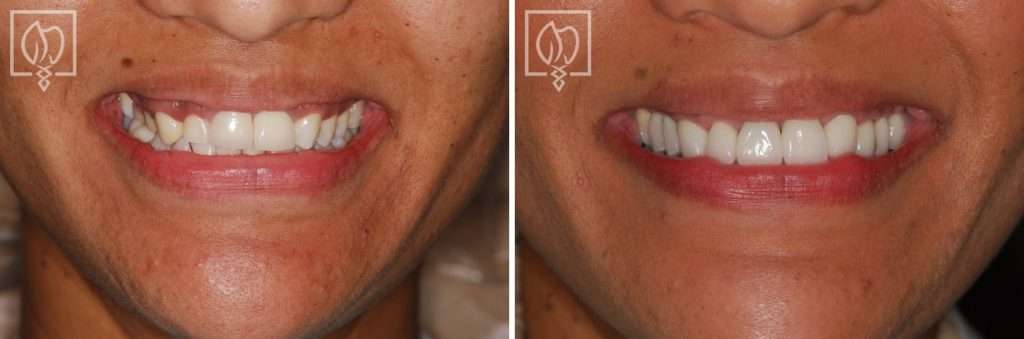
Multi-Faceted Treatment for Patient Unhappy With Her Artificial-Looking Crowns, Teeth and Gums
Many patients come to Elite Prosthetic Dentistry unhappy with the appearance of their smile. However, this particular patient presented with multiple interconnected problems that together created a smile she found deeply unsatisfying.
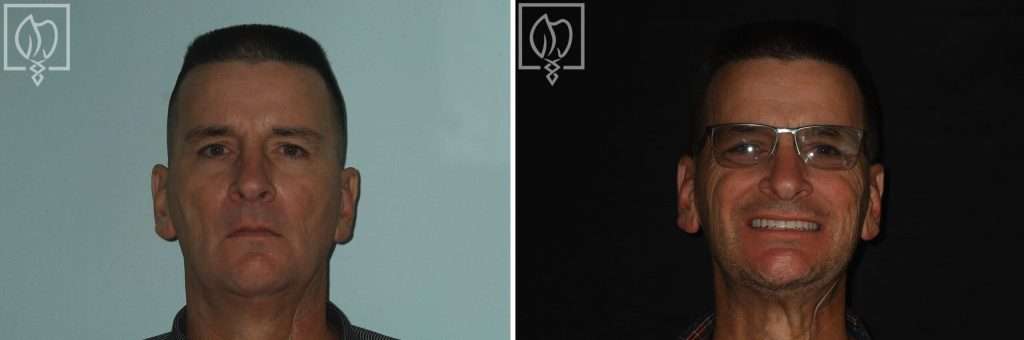
Treating Kevin’s Collapsed Bite with a Complete Smile Makeover with New Dentures
Dentures are sometimes not created to the ideal aesthetic and functional scheme. When improperly fabricated, dentures can make an individual appear almost a generation older than their actual age. They can have a poor fit that feels loose and unstable when eating or speaking, and they can actually accelerate bone loss over time.

Salvaging Ms. N’s Severely Broken-Down Upper and Lower Teeth from Gum and Bone Disease
Many people in the U.S. suffer from extensive periodontal disease characterized by significant bone loss and shrinkage of the gum tissue. This condition can begin at a very young age and worsen quickly due to hereditary factors and lack of early diagnosis by their dentist.
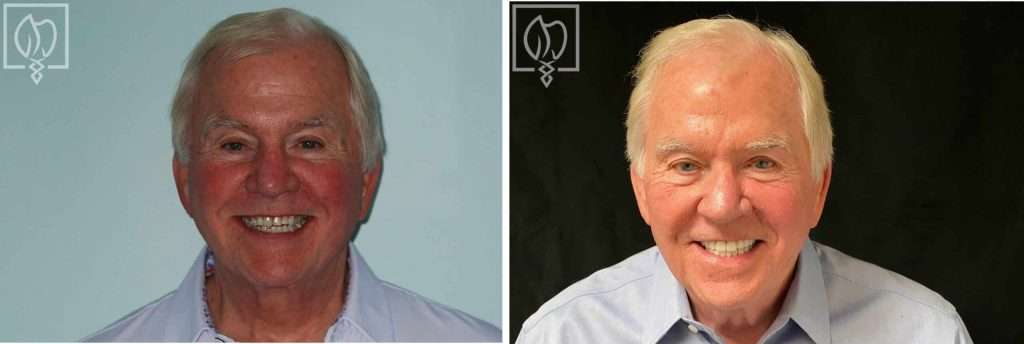
A Smile Transformation in Just Four Months: A Patient’s Dental Crown Restoration for a TV Series
A patient with dental crowns that were in poor shape was going to appear on a streaming video series on a major TV network that was scheduled to begin filming soon. Our patient, John, an author about to embark on a book tour, was anxious as his teeth were not up to his standards to appear on television.
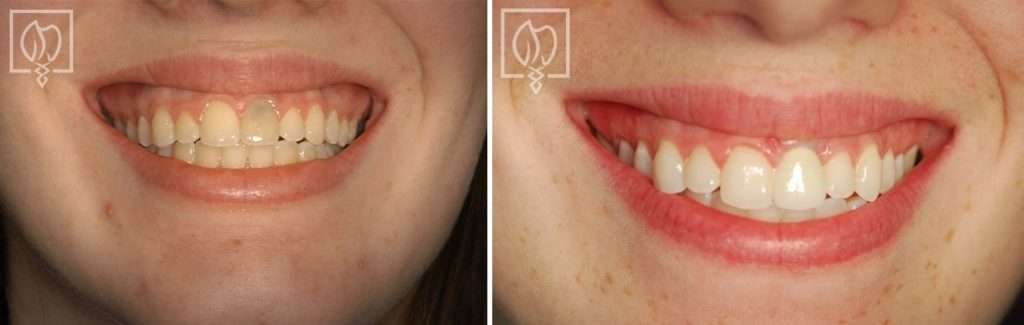
Replacing a Discolored Front Tooth with a Precision Placed Implant
Some of the most challenging restorations occur when fabricating an anterior crown to fit on an implant. Not only does one have the difficulty of matching the single front tooth to the other ones in the high visibility zone, but the dentist must also ensure the position of the underlying implant is precise through accurate preplanning and placement.
Our Services in Arlington
Beyond veneer-fell-off, Arlington patients rely on Dr. Gerald Marlin for a full range of advanced dental care.
More services available in Arlington:
veneer-fell-off Near Arlington
Dr. Gerald Marlin also provides veneer-fell-off services for patients in these neighboring communities.
Getting Here from Arlington
Elite Prosthetic Dentistry is conveniently located near Arlington, VA.
From Arlington, take I-66 or Route 50 toward the District. Our practice is conveniently accessible with parking available.
Address:
4400 Jenifer Street NW, Suite 220
Washington, DC 20015
Phone: (202) 244-2101
Schedule ConsultationSchedule Your Consultation from Arlington
Arlington residents trust Dr. Gerald Marlin for precision dental care. With 3,900+ implants placed and 40+ years of experience, your smile is in expert hands.