
Second Opinion for Full Mouth Reconstruction Problems in Washington, DC
When multiple restorations are breaking down, your bite feels unstable, or jaw symptoms develop after major dental treatment, the problem often needs to be evaluated as a system. A prosthodontic second opinion looks at the entire reconstruction rather than focusing on one tooth or one restoration at a time.
Patients from Bethesda, Potomac, Chevy Chase, McLean, Arlington, Fairfax, and surrounding communities often come to our Washington, DC office for full mouth reconstruction evaluations.
Elite Prosthetic Dentistry
Specialist Prosthodontic Practice · 40+ Experience · Expert in Complex Occlusion
3,900+
Implants Placed
35+ years
Crown Longevity
500+
Full Mouth Cases
MSD
Prosthodontic Specialty
Signs Your Reconstruction Is Failing
These patterns often suggest a systems-level problem rather than an isolated issue. A careful evaluation can help determine whether the cause is occlusal, material-related, implant-related, laboratory-related, or a combination of factors.
Multiple Restorations Failing Simultaneously
Two or more crowns, implants, or bridges are failing at the same time or in quick succession. This pattern indicates a systemic problem, not individual tooth issues.
Bite Feels Wrong After Reconstruction
Your new bite does not feel natural. Teeth contact in ways that feel uncomfortable or unstable. Your jaw position feels different than it did before the reconstruction.
Jaw Pain or TMJ Symptoms
You experience jaw pain, clicking, popping, or stiffness that began or worsened after your reconstruction. These symptoms suggest occlusal (bite) problems.
Teeth Breaking One by One
Your restorations are fracturing in a pattern that suggests concentrated forces. Teeth that should last decades are breaking within months or a few years.
All-on-4 Problems
Your implant-supported full arch denture is loose, clicking, rocking, or causing discomfort. The bite may have shifted or the attachment system may be failing.
Aesthetic Dissatisfaction
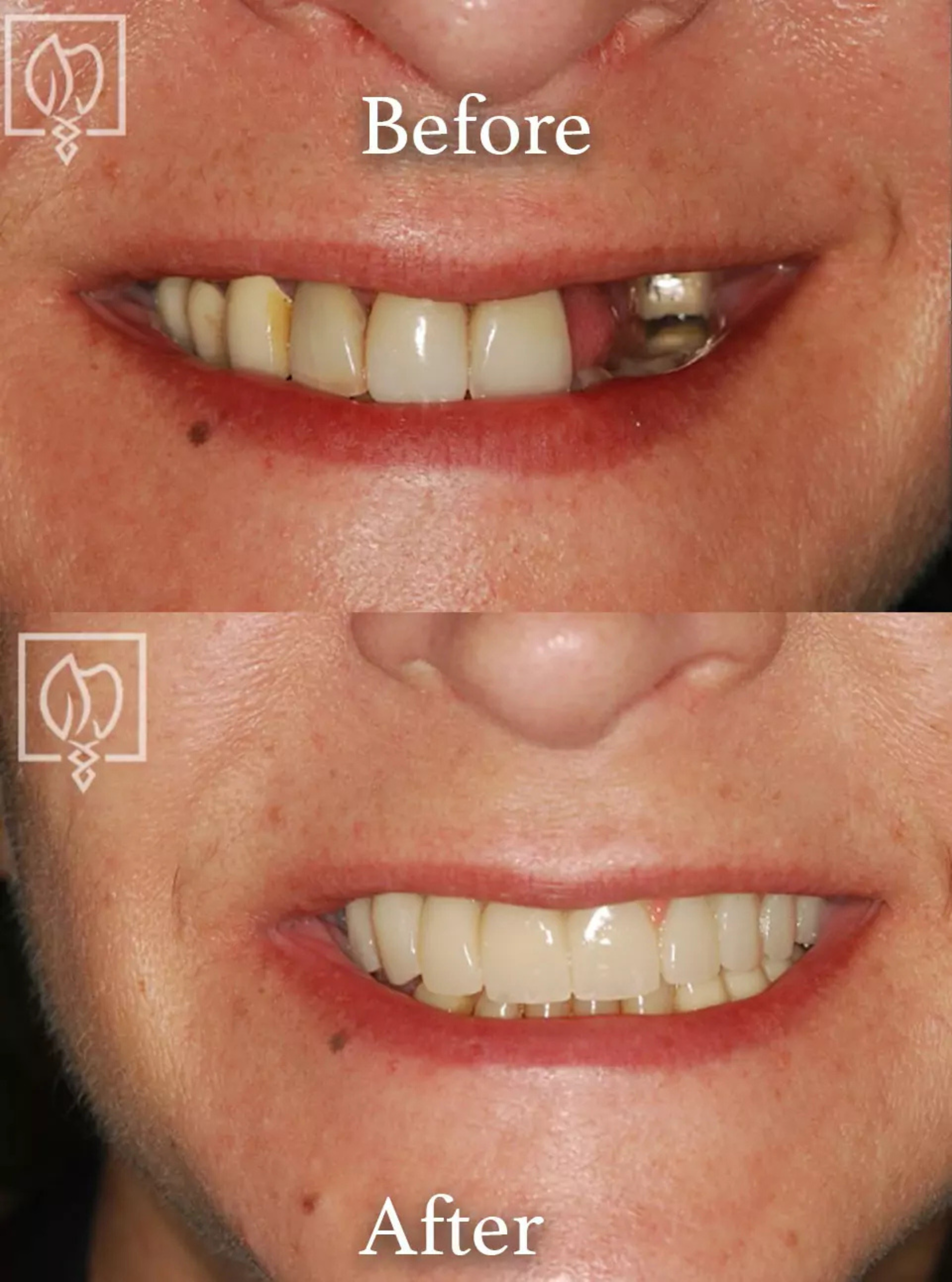
Your smile looks very different from what was promised. Your teeth are asymmetric, the color is wrong, or the overall appearance does not match the original plan.
Why Full Mouth Reconstructions Fail
Reconstruction failure is a systems-level problem. These are the most common root causes.
Occlusal Design Errors
Occlusal design is one of the most common reasons complex reconstructions break down. When chewing forces are not distributed appropriately, individual teeth, crowns, bridges, or implants can fracture, loosen, or wear prematurely.
Material Incompatibility
Different restorative materials have different hardness, wear resistance, and flex properties. When different materials are used together without proper occlusal design, they create wear and stress patterns. For example, porcelain opposing natural teeth or different crown materials in opposing arches can accelerate failure if bite forces are not carefully managed.
When Planning and Coordination Fall Short
Full mouth reconstruction depends on thorough diagnostics, careful bite planning, material selection, and close coordination between clinical and laboratory steps. When any part of that process is incomplete, the result may look acceptable initially but function poorly over time.
Inadequate Diagnostic Phase
Thorough diagnostic planning examines baseline occlusion, jaw position, and bone anatomy before treatment begins. When this phase is abbreviated, the resulting treatment plan may not fully account for the complexity of the case.
Parafunction Not Addressed
Some patients grind their teeth or clench their jaw. These habits generate forces far exceeding normal chewing. If the reconstruction was not designed to withstand parafunction, or if the dentist did not recognize that the patient has these habits, the restorations will fail. Sometimes parafunction develops after reconstruction due to instability or discomfort, creating a cycle of continued failure.
Insufficient Implant Planning
For reconstructions involving implants, the position of each implant must be planned with precision. Implants placed in poor angulation, insufficient bone, or incorrect position relative to each other will cause early failure and complicate revision. CBCT planning and bone assessment before implant placement is critical. Inadequate diagnostic planning increases the risk of problems.
Most reconstruction failures could have been prevented with proper planning, specialist expertise, and attention to occlusal biomechanics. When we evaluate a failed reconstruction, we are looking for these system-level failures so that a revision reconstruction can be designed correctly from the beginning.
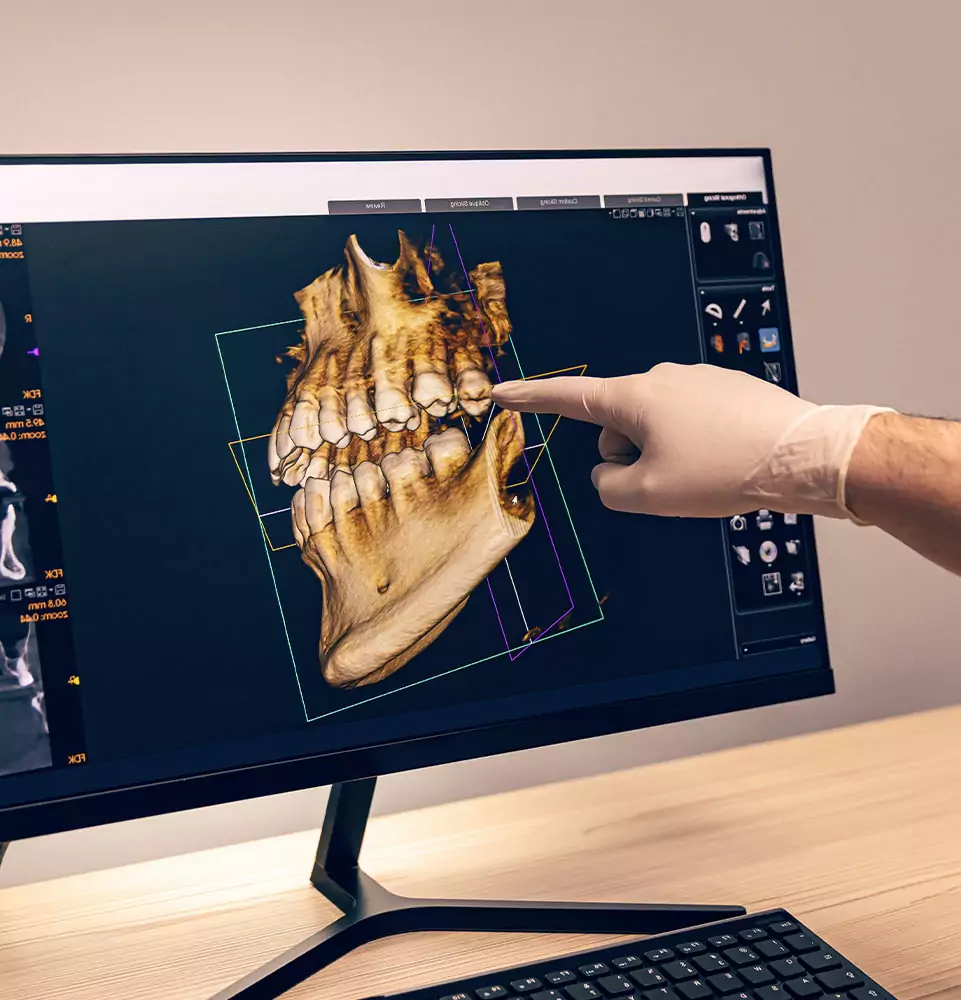
Identifying Systemic Failure Patterns
When we examine a failed reconstruction, we look beyond individual teeth. We analyze wear patterns, bite relationships, and the overall distribution of forces across your entire mouth. The image to the left shows the complexity of full mouth cases: every tooth interacts with its neighbors, every material has different properties, and every force must be managed strategically.
This is why reconstruction failure requires specialist analysis. A prosthodontist evaluates why it broke in the first place and redesigns the entire system to prevent recurrence.
Our Systematic Approach to Reconstruction Failure
We do not evaluate individual failing teeth. We evaluate the entire reconstruction as an interconnected system.
Record Retrieval and History
We obtain all available records from the original provider: radiographs, models, bite records, photographs, and original treatment plans. We learn when the reconstruction was placed, what materials were used, and what problems have developed. This history guides our evaluation.
CBCT Imaging and Bone Analysis
We order a cone-beam CT scan to visualize bone architecture, implant position (if applicable), and the relationship of restorations to underlying tissues. CBCT shows us bone loss patterns, implant angles, and anatomical problems that radiographs cannot reveal. This imaging is essential for understanding what happened to your reconstruction.
Occlusal Analysis and Bite Registration
We perform detailed analysis of how your teeth contact when you bite, chew, and move your jaw. We use bite registration materials, articulator simulation, and visual inspection to map out your current occlusal relationships. We look for high spots, prematurities, and force concentration. This analysis reveals occlusal design flaws that caused your reconstruction to fail.
Wear Pattern Analysis
We examine your current restorations under magnification to identify wear patterns. Wear that is concentrated on certain teeth indicates force concentration. Wear patterns that are asymmetric indicate bite plane problems. The way material is wearing tells us how forces are being distributed through your reconstruction.
Material Compatibility Assessment
We identify what materials were used in your reconstruction and assess whether they are compatible with each other and with your opposing teeth. We evaluate whether material selection contributed to the failure. Sometimes revision requires switching to materials that will function better together.
Comprehensive Diagnostic Report
We compile our findings into a detailed report that explains what went wrong, why it failed, and what options exist for correction. We show you imaging, point out the specific failures, and lay out a clear treatment plan if revision is recommended. You will understand the problem and have transparent options.
Advanced Diagnostic Tools for Accurate Assessment
Our evaluation combines clinical examination with advanced imaging and scanning technology to reveal the root cause of your reconstruction failure.
Related Services and Expertise
Reconstruction failures often involve implants, bite problems, or other complex issues. These services may apply to your situation.
Failed All-on-4 Implants
Implant-supported full arch prosthesis that is failing. We evaluate implant position, bone support, and denture stability.
Get a second opinion →Bite Collapse After Reconstruction
Your bite has changed or collapsed after reconstruction. We diagnose the cause and plan correction.
Get a second opinion →Multiple Restorations Failing
Several crowns or implants are failing simultaneously. We identify the systemic cause.
Get a second opinion →Full Mouth Reconstruction
If your reconstruction needs to be revised, learn how we plan and execute complex cases properly.
Learn more →Reconstruction Revision and Corrective Care
If a previous reconstruction is not performing as expected, we provide independent evaluation and specialized revision care.
Learn more →Prosthodontic Specialization
Learn why specialist prosthodontists are uniquely qualified to evaluate and repair complex reconstruction failures.
Learn more →Our In-House Laboratory Advantage for Complex Cases
When a reconstruction has failed, revision requires extraordinary precision and customization. This is exactly where an in-house laboratory becomes invaluable. We have maintained our dental laboratory since 1985 for this reason.
Occlusal Refinement During Fabrication
Our ceramicists build restorations directly to Dr. Marlin's occlusal specifications. If adjustments are needed during try-in, we make them immediately. Our in-house laboratory supports direct communication and real-time adjustments during fabrication, ensuring precision at every stage.
Material Selection and Customization
We choose materials based on your specific reconstruction needs. We understand how different materials will perform in your mouth and with your bite. We layer and shape materials to achieve the function and longevity your revision requires.
Bite Plate Verification
We fabricate bite verification plates (acrylic models of the proposed restorations) so you can approve the planned bite and aesthetics before final porcelain is created. This prevents surprise and allows adjustment before irreversible fabrication.
Rapid Problem Solving
If issues arise during try-in or delivery, we solve them in-house without delays. In-house laboratory control can be especially valuable in revision cases because it allows faster communication, more precise adjustments during try-in, and closer control over contour, occlusion, and material refinement.
Long-Term Quality Control
After your reconstruction is complete, our laboratory team can adjust, repair, or refine your restorations. We understand the system we created and can support it throughout your treatment.
Expertise in Difficulty
Our ceramicists have decades of experience with complex, difficult cases. They understand occlusal biomechanics. They know how to build restorations that function excellently, not just look good.
When your reconstruction requires revision, choosing a practice with in-house laboratory control provides significant advantages. You gain direct oversight of fabrication, custom refinement at every stage, and the ability to optimize every detail. That commitment to precision laboratory work is how we ensure your reconstruction succeeds.
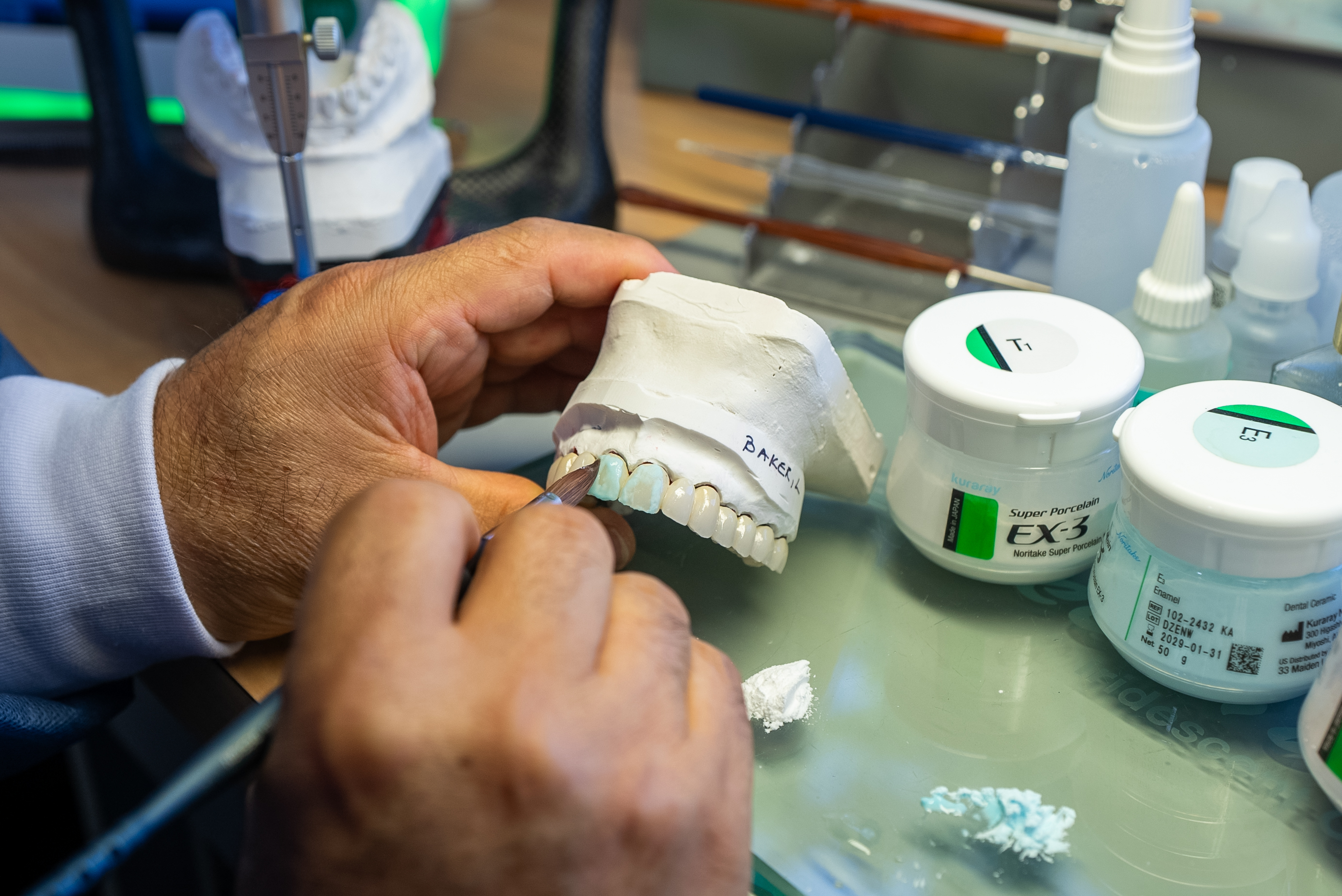
The Power of Laboratory Control
When we revise your reconstruction, having our laboratory steps away from the clinical treatment room provides a significant advantage. Our ceramicists work directly with Dr. Marlin in real time, ensuring that design specifications translate precisely into fabrication.
Every occlusal adjustment we identify in the treatment plan is built into the restorations during fabrication. When you come for try-in, we can make immediate refinements. If adjustments are needed, we solve them within hours, not weeks. This is a key advantage of in-house fabrication, enabling precision adjustments and rapid problem-solving.
This is how we ensure your revision reconstruction works correctly from day one and continues to function reliably for years to come.
Frequently Asked Questions About Reconstruction Failures
What is the difference between a failed individual tooth restoration and a failed full mouth reconstruction?
Why do all my restorations seem to be failing at the same time?
What is occlusal design, and why does it matter for reconstruction?
Is an All-on-4 implant reconstruction doomed if it is failing?
Can I fix a failed reconstruction by just replacing the teeth, or do I need to address the underlying issues?
How do you diagnose the cause of full mouth reconstruction failure?
Will a full mouth reconstruction take a long time, and do I have to be without teeth during treatment?
What does parafunction mean, and does it cause reconstruction to fail?
Complex Failures Require Specialist Evaluation
When multiple restorations are failing, when your bite feels wrong, or when you are experiencing pain and repeated dental problems, the issue is systemic. A prosthodontic evaluation provides specialized expertise in diagnosis and comprehensive planning. We can identify the root cause and create a solution designed to prevent failure from recurring.
No pressure. Clear answers. A defined plan.
Call or schedule online. Let us know your reconstruction has failed, and we will arrange a comprehensive diagnostic consultation.
We Are Your Source of Information for Every Area of Implant, Cosmetic, and Restorative Dentistry
Anxious about your visit? Learn about our sedation and comfort options.