
What Color Are Your Teeth? Understanding Natural Tooth Shade
What color are your teeth? There is no single right answer, and that surprises people. When we discuss tooth color in our office, we work with no fewer than 40 distinct shades and ranges, from light to dark, across undertones that run from reddish-brown to gray. You might have a very light tooth in a reddish-brown range or a darker tooth in a gray range. Everyone is different, and the idea that healthy teeth are uniformly brilliant white is more a marketing image than a biological fact.
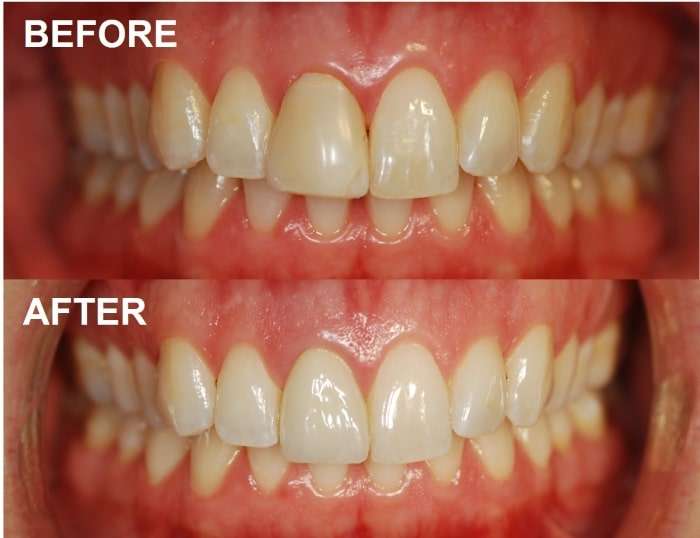
A single crown shade-matched to the patient’s natural teeth in our practice. See the full case
So what actually sets your tooth color, now and in the future? Coffee and tobacco get the blame, and they earn some of it, but the full picture divides neatly into what you can control and what you cannot.
Things You Cannot Control
Genetics. Just as you inherit eye and hair color, you inherit a baseline tooth shade, and you inherit how readily your enamel takes on stain. Some people simply start with brighter or more stain-resistant teeth than others.
Aging. Teeth grow darker over time for a structural reason: enamel thins with decades of use, and the naturally yellower dentin beneath it shows through more. This happens gradually to nearly everyone.
Certain medications. Some medicines affect tooth color, and antibiotics of the tetracycline family taken while teeth are still developing can bind into the enamel and cause permanent intrinsic discoloration in the adult teeth.
Injury. A traumatic blow can cause a tooth to darken from within, sometimes producing the gray, “dead”-looking tooth people notice after an old injury. This intrinsic change is difficult to reverse with whitening.
Things You Can Control
Food and drinks. Coffee, black tea, dark sodas, red wine, berries, and richly colored sauces stain enamel over time. You do not have to give them up, but limiting them and rinsing with water afterward keeps staining in check. Our article on why teeth change color goes deeper on this.
Fluoride, in the right amount. Fluoride is a powerful ally against decay, strengthening enamel and even reversing early damage. But too much fluoride while teeth are forming in childhood can cause discoloration called fluorosis. The lesson is balance, not avoidance: follow age-appropriate guidelines for children, and keep benefiting from fluoride as an adult.
Tobacco. Cigarettes and other tobacco products reliably turn teeth yellow and then brown, and the stain returns as long as the habit continues. Not smoking is the single most effective thing many people can do for tooth color.
Surface Stain Versus Internal Color
It helps to separate two different things people lump together as “tooth color.” One is surface staining, the film that coffee, tea, wine, and tobacco deposit on the outside of enamel over time. The other is the tooth’s intrinsic color, set by the enamel and the dentin beneath it. Surface stain sits on top and lifts off relatively easily with professional cleaning and whitening. Intrinsic color is built in, whether inherited, acquired from medication or trauma, or revealed as enamel thins with age, and it does not respond to surface treatments the same way. Knowing which one you are looking at explains why two people with equally “yellow” teeth can get very different results from the same whitening approach. It is also why a professional assessment beats guesswork: what looks like stubborn stain is sometimes intrinsic color that calls for a different plan entirely.
Setting Realistic Expectations
Knowing your natural shade, and what is driving it, is the foundation for any cosmetic decision. Surface and age-related staining respond well to professional teeth whitening, which is safe and effective for the right candidate. Intrinsic discoloration from genetics, medication, or trauma resists bleaching, and in those cases veneers or bonding may achieve what whitening cannot. Whatever shade you inherited or acquired, there is almost always a way to improve it, once you know what you are working with.
To learn your natural shade and the options that suit it, call 202-244-2101 or request an appointment at Elite Prosthetic Dentistry in Friendship Heights, Washington, DC.
See How We Resolve These Problems
Our patient success stories show real cases and real results. Browse outcomes from a specialist prosthodontist with decades of experience and 3,900+ implants placed.
Key Takeaways
- ✓ There is no single correct tooth color. Natural teeth span dozens of shades and undertones, and yours is unique to you.
- ✓ Some factors are outside your control: genetics, aging, certain medications, and past trauma all shape your baseline shade.
- ✓ Others you can influence: staining foods and drinks, tobacco, and appropriate fluoride use during childhood.
- ✓ Knowing your natural shade and its causes sets realistic expectations for whitening and cosmetic treatment.
Frequently Asked Questions
What is a normal color for teeth?
There is no single normal shade. Healthy natural teeth range across many shades and undertones, from lighter to darker and from reddish-brown to gray ranges, and dentists distinguish dozens of variations. Perfectly white teeth are not the biological default, so your natural color is best judged against realistic expectations rather than an idealized image.
What determines my tooth color?
Both factors you cannot control and ones you can. Genetics sets your baseline shade and your tendency to stain, aging thins enamel so the yellower dentin shows through, and some medications and past trauma alter color from within. Staining foods and drinks, tobacco, and childhood fluoride exposure are the influences within your control.
Can I change my natural tooth color?
To a degree. Surface and age-related staining respond well to professional whitening, so many people can lighten their teeth safely. Intrinsic color set by genetics, medication, or trauma resists bleaching and may be addressed cosmetically with veneers or bonding. An examination is the way to learn which approach fits your situation.
Related Patient Success Stories
Explore similar patient success stories demonstrating our expertise in advanced prosthetic dentistry.
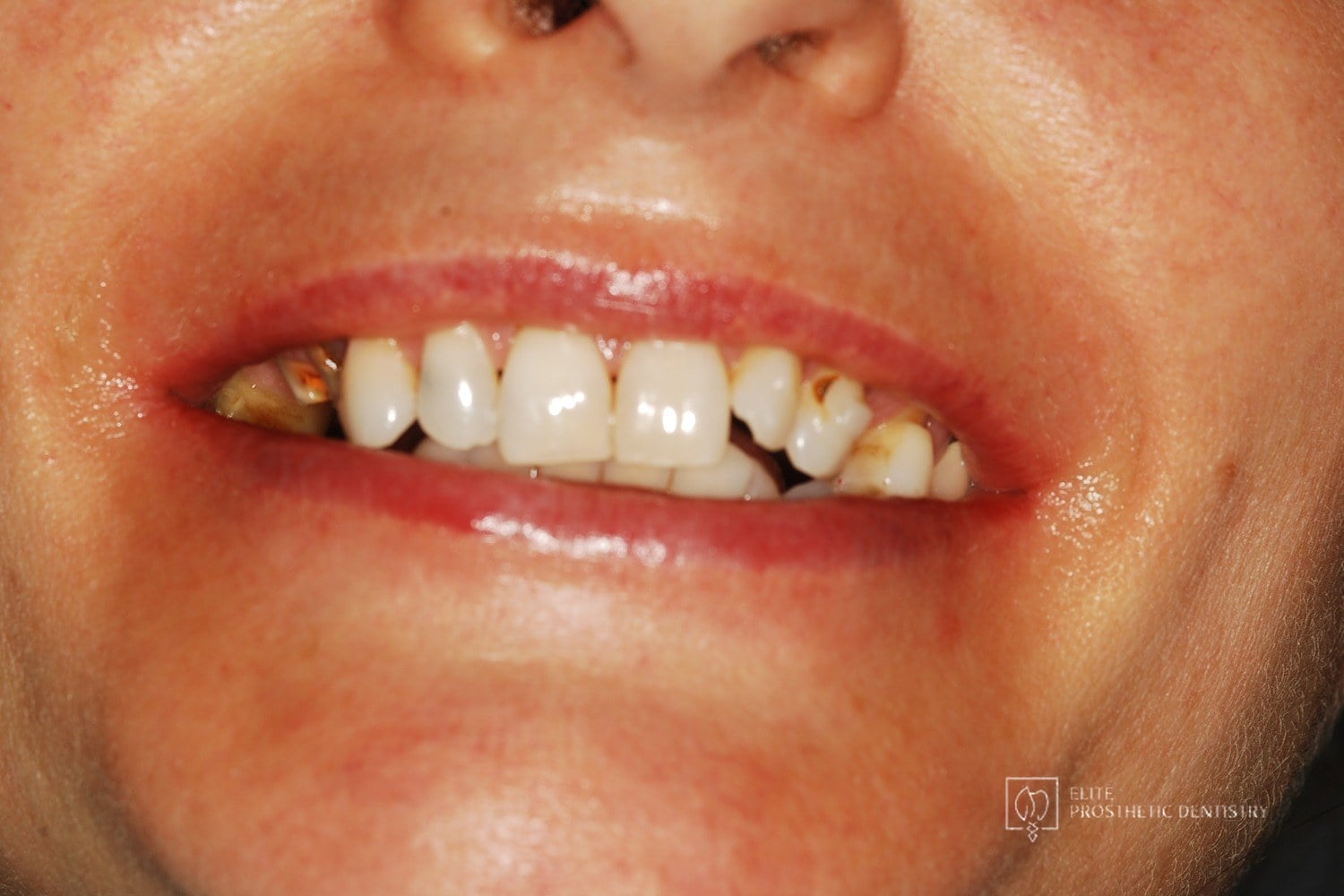 Before
 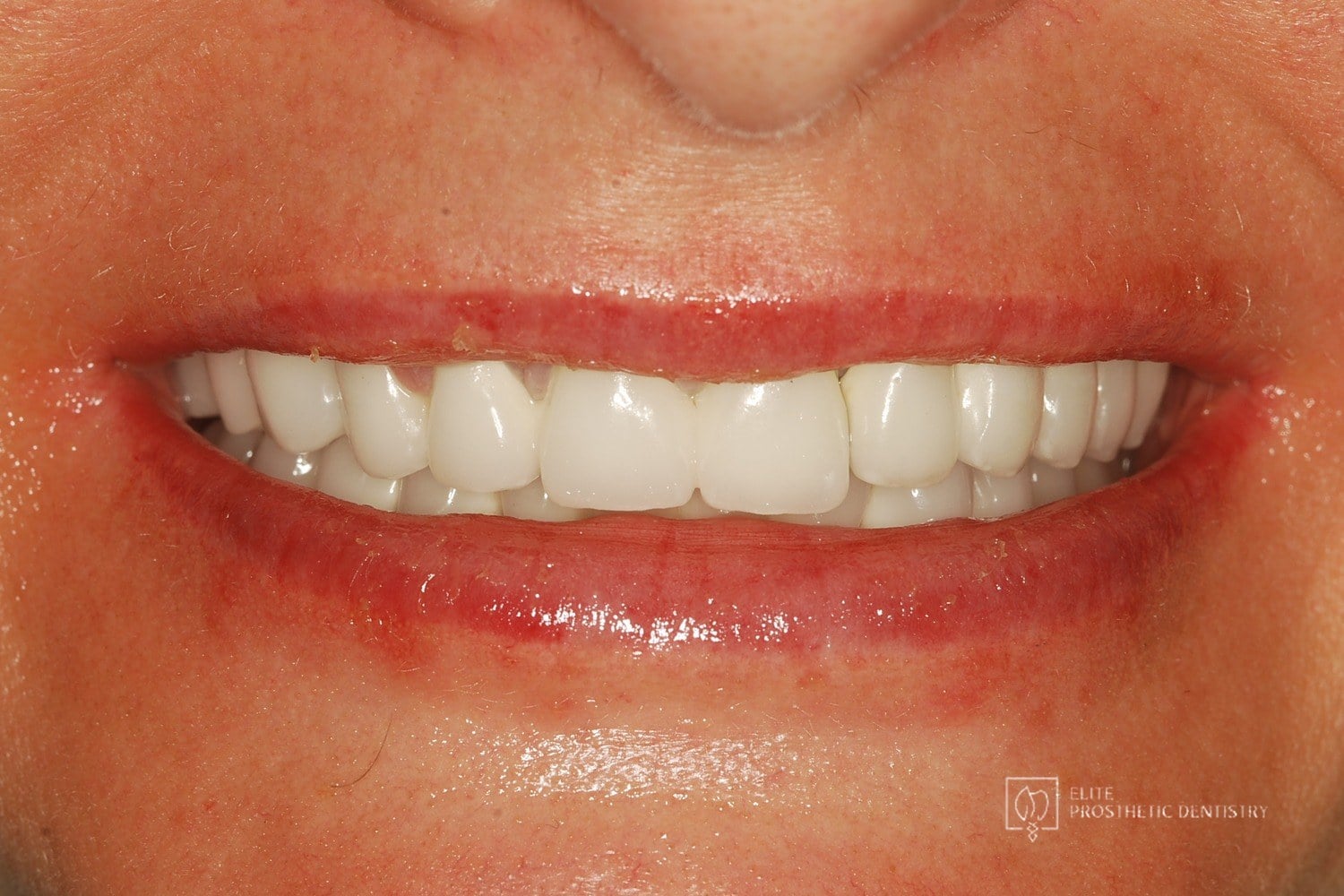 After
After How Aging, Failing Dentistry Was Replaced with a Coordinated Full-Mouth Implant and Crown Reconstruction
The patient presented with throbbing upper-molar pain, long-standing infections, multiple root canals and unfinished prior treatment, generalized sensitivity, and several hopeless teeth.
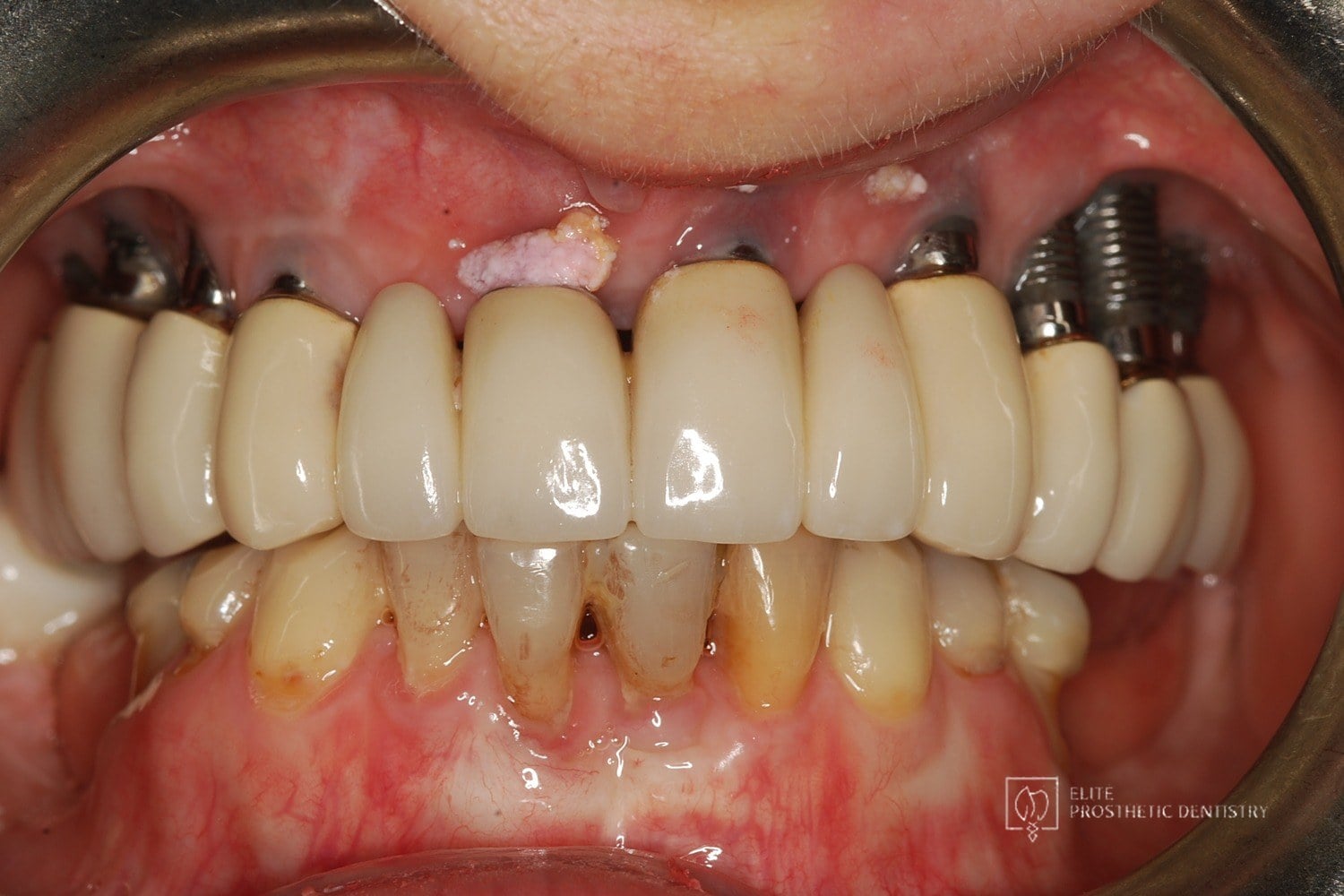 Before
 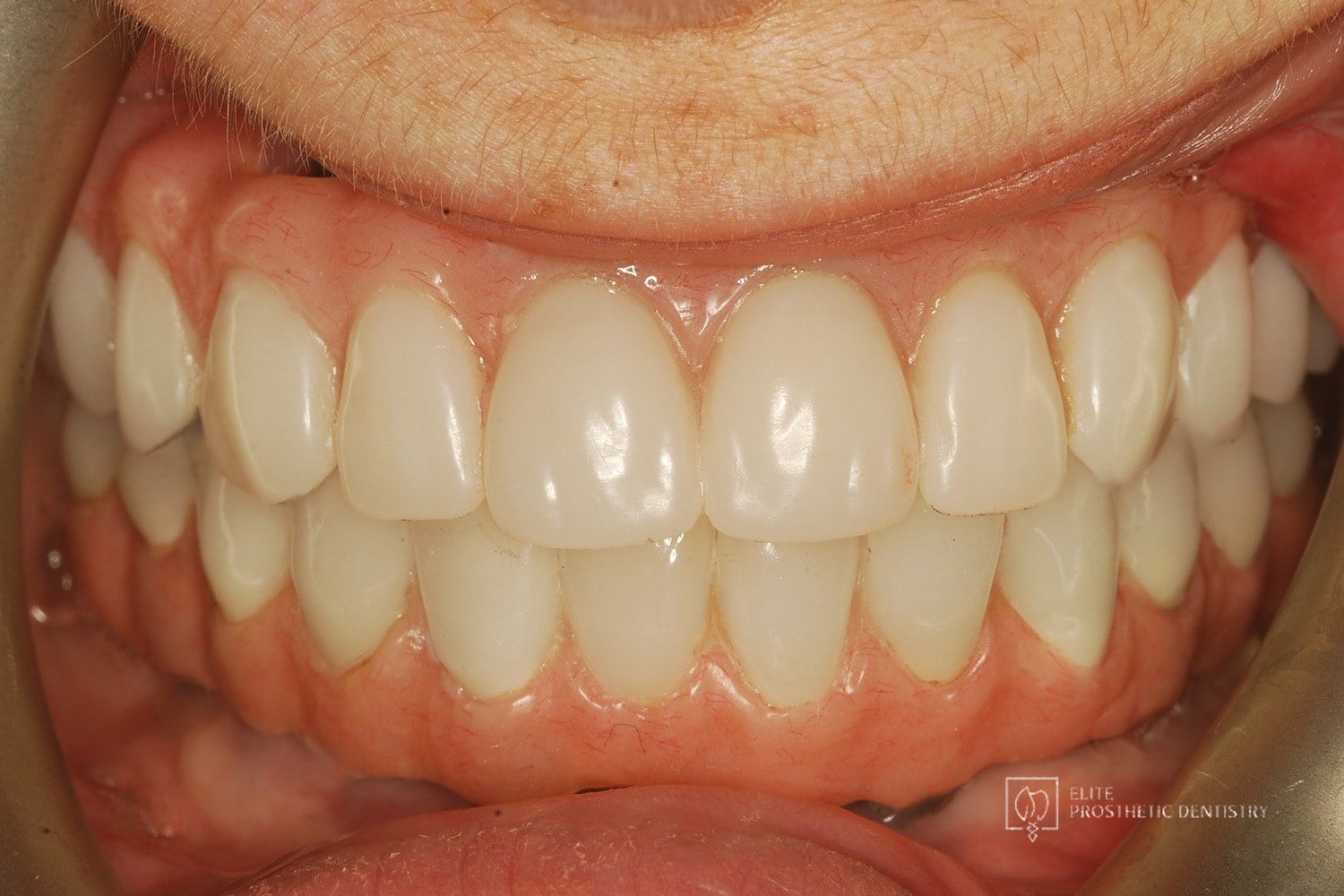 After
After How Failing Implants and Severe Bone Loss Were Rebuilt Into a Stable Full-Arch Implant Reconstruction
The patient presented with significant complications from previously placed implants, severe bone loss, failing posterior implants, and an unesthetic full-arch bridge. Both arches required full reconstruction, with the upper arch showing the most advanced bone loss and instability.
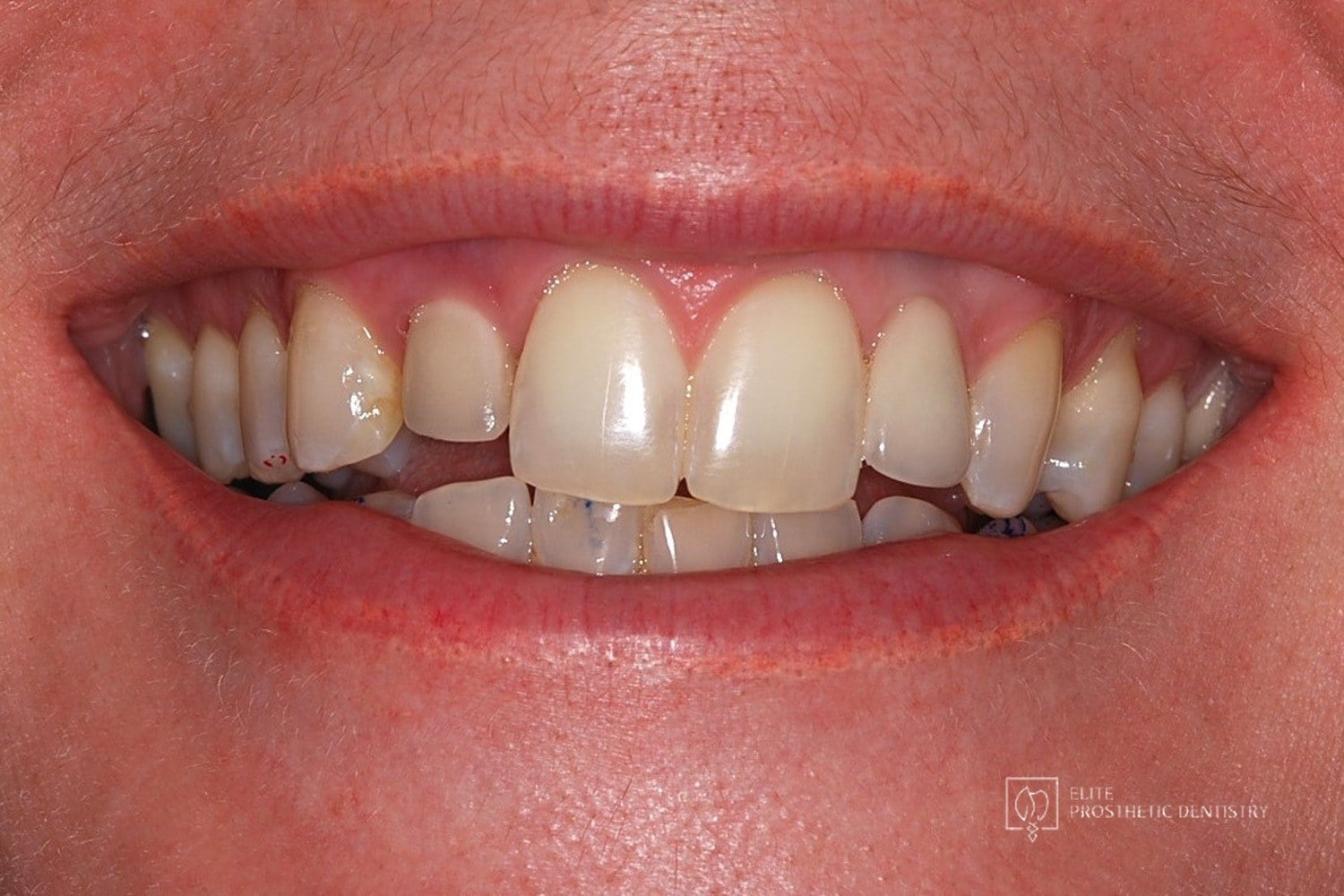 Before
 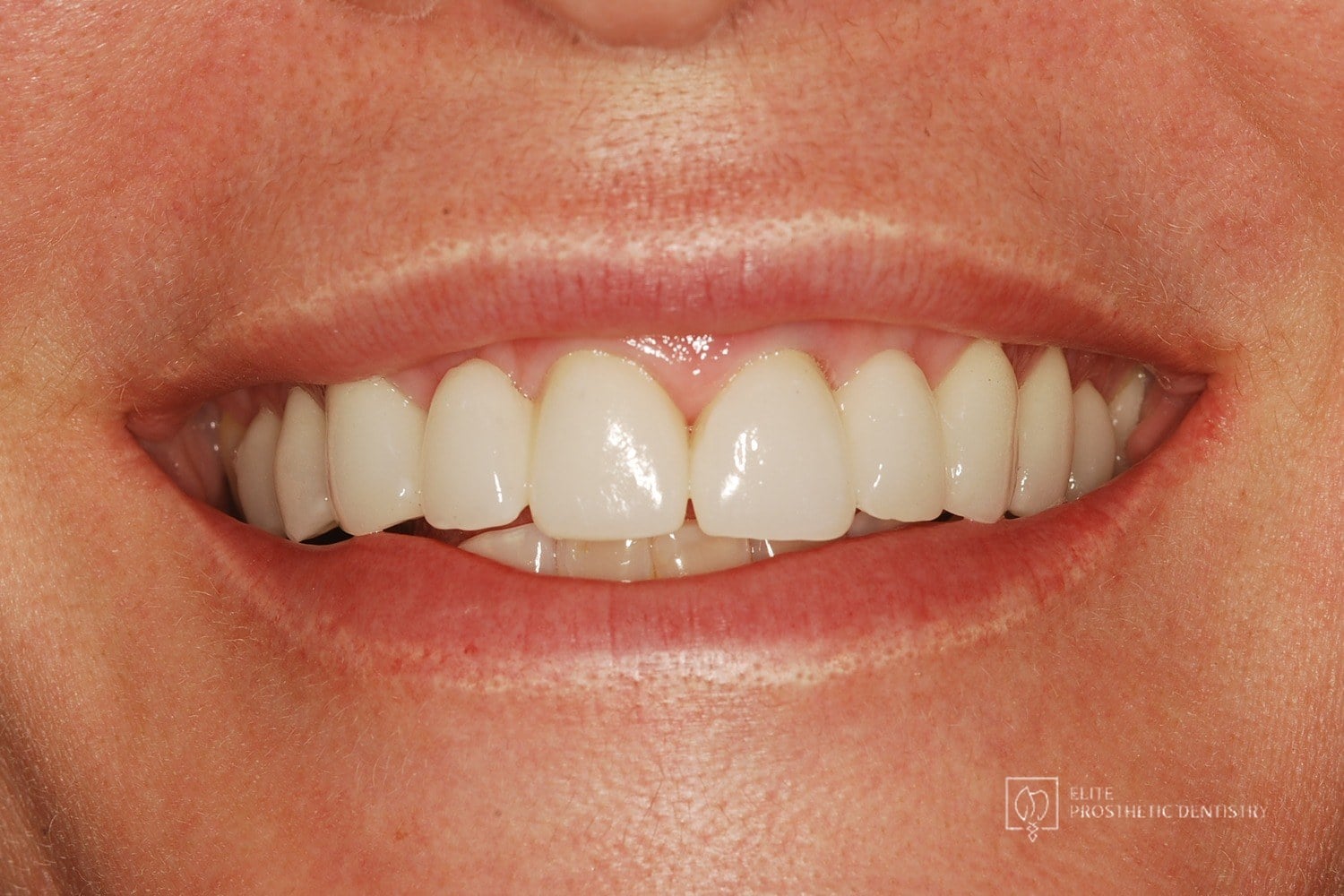 After
After How Failing Lateral Incisor Implants Were Replaced with Custom Zirconia Bridges After Severe Bone Loss Made Replacement Implants Impossible
Comprehensive examination including CBCT imaging revealed significant bone loss surrounding implants that were placed outside the buccal plate, most likely due to placement without a CBCT-generated surgical guide. The implants were determined non-salvageable, and the alveolar ridge was too narrow to support replacement implants without extensive reconstruction.
Related Articles
Deepen your knowledge with additional insights on this topic.
 Oral Health & Prevention
 Common Misconceptions About Gum (Periodontal) Disease: Myths vs. Facts
Bleeding gums are normal? Only older adults get gum disease? A DC prosthodontist corrects eight common myths about periodontal disease signs and treatment.
 Oral Health & Prevention
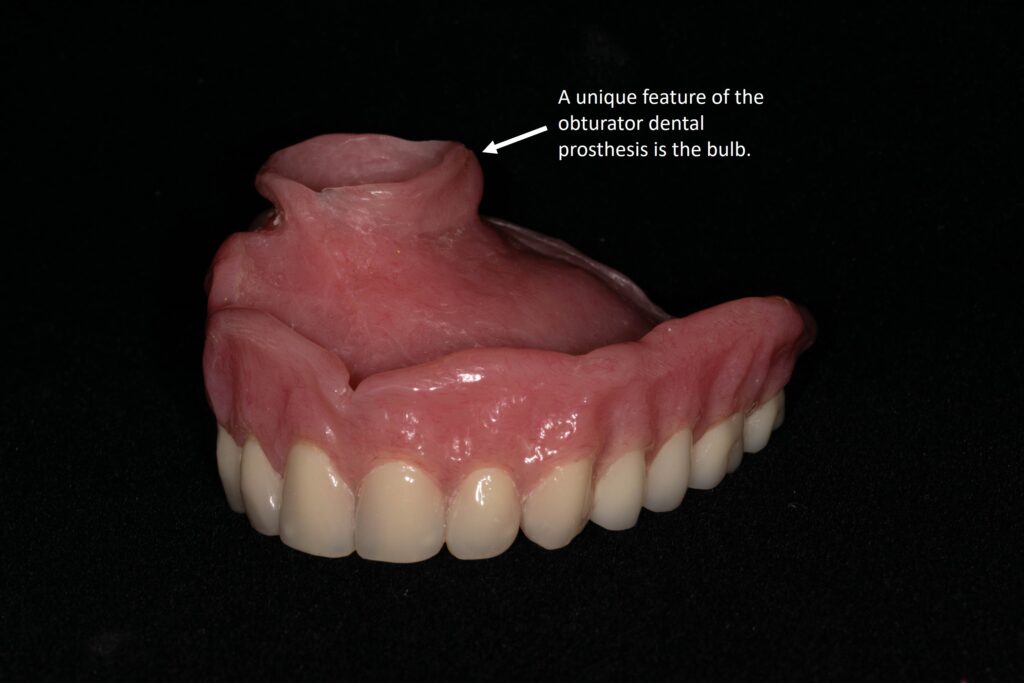
 Understanding Palatal Obturators for Openings in the Roof of the Mouth
A palatal obturator seals an opening in the roof of the mouth from cleft palate, surgery, or trauma. A DC prosthodontist explains how they work and their care.
 Oral Health & Prevention
 Dental Hygiene Care Is Not a 'One-Size-Fits-All' Process
The right hygiene routine depends on your gums, your risk factors, and your dental work. A DC prosthodontist explains why personalized hygiene care matters.