
Tooth Extraction: Managing Pain and Healing Well
The Procedure Is the Easy Part
Thanks to the range of anesthesia available today, most patients feel little to no discomfort during a tooth extraction itself. The real question people have is about afterward, and the honest answer is reassuring: with a few sensible steps, recovery is usually straightforward and the soreness manageable.
Managing Discomfort in the First Days
Stay ahead of the pain. For the first few days, take your anti-inflammatory medication on a steady schedule rather than waiting for discomfort to build. Over-the-counter non-steroidal anti-inflammatories such as ibuprofen are all most patients need, and taking them on time is far more effective than trying to catch up after pain has set in.
Ice the first 24 hours. Apply an ice pack to your cheek over the area, twenty minutes on and twenty minutes off. This controls swelling, which in turn controls much of the discomfort, and the cold itself often feels soothing.
Rest. Your body heals fastest when you give it the conditions to do so. Take it easy for a day or two and avoid strenuous activity, which can increase bleeding and throbbing.
Protecting the Healing Site
A blood clot forms in the socket almost immediately, and protecting it is the single most important thing you can do. Dislodging that clot exposes the underlying bone and causes dry socket, one of the more painful post-extraction complications. For the first 24 hours, avoid vigorous rinsing, spitting, drinking through a straw, and smoking, all of which can pull the clot loose.
Starting the day after surgery, rinse very gently with warm salt water, about half a teaspoon of salt in a cup of warm water, up to four times a day. Done gently, this keeps the site clean without disturbing the clot, and many patients find the warmth eases discomfort on its own.
About Medications
Most patients never need prescription pain medication after a routine extraction. When a case does call for more, a few principles apply.
If we prescribe antibiotics, take the full course exactly as directed and never stop early, even once you feel fine; stopping prematurely lets infection rebound. If prescription pain medication is warranted, we prescribe it sparingly and in line with current regulations, given the risks associated with these drugs. Take only what you genuinely need, and return any unused pills to a pharmacy for safe disposal rather than keeping them around. This protects you and keeps unused medication out of circulation.
When to Call Us
Some soreness and mild swelling are normal for a few days. Contact us if pain worsens rather than improves after two to three days, if bleeding is heavy or restarts, if swelling increases after the third day, or if you develop a fever or a foul taste and odor from the site. These can point to dry socket or infection, both very treatable when addressed promptly, which is exactly why we would rather hear from you early. For an urgent problem, our emergency dental care team is available.
Eating and Cleaning While You Heal
What you eat and how you clean matter as much as medication in the first days. Stick to soft, cool or lukewarm foods, yogurt, eggs, smoothies eaten with a spoon rather than a straw, soups once they have cooled, and chew on the opposite side. Avoid crunchy, spicy, and very hot foods that can irritate or dislodge the clot, and hold off on alcohol while you are healing or taking medication. Keep brushing your other teeth normally, but be gentle near the site for the first few days and let the salt-water rinses do the cleaning there. Most of the swelling and soreness peaks within two or three days and then eases steadily; if it is trending the wrong way instead, that is your cue to call.
Looking Ahead: Replacing the Tooth
Once you have healed, it is worth thinking about replacing the extracted tooth, because the surrounding bone gradually shrinks when a tooth is missing. A dental implant is the option that replaces the root and preserves that bone, and we are glad to discuss your choices at a follow-up visit once the site is ready.
For any questions during your recovery, call 202-244-2101, or request an appointment at Elite Prosthetic Dentistry in Friendship Heights, Washington, DC.
See How We Resolve These Problems
Our patient success stories show real cases and real results. Browse outcomes from a specialist prosthodontist with decades of experience and 3,900+ implants placed.
Key Takeaways
- ✓ Modern anesthesia makes the extraction itself comfortable for most patients; the focus afterward is managing mild soreness and protecting the healing site.
- ✓ Staying ahead of discomfort with a steady schedule of over-the-counter anti-inflammatories works better than chasing pain after it starts.
- ✓ Protect the blood clot: no vigorous rinsing, spitting, straws, or smoking in the first day, since dislodging it causes painful dry socket.
- ✓ Follow any antibiotic course exactly as prescribed, and use prescription pain medication only as directed and only as long as needed.
Frequently Asked Questions
How much does a tooth extraction hurt afterward?
For most people, less than expected. The procedure itself is done under anesthesia, and afterward there is usually mild to moderate soreness that peaks in the first day or two and eases steadily. Over-the-counter anti-inflammatories such as ibuprofen control it for the majority of patients. Sharp or worsening pain after a few days is not typical and should be reported.
How do I prevent dry socket after an extraction?
Protect the blood clot that forms in the socket. For the first 24 hours avoid vigorous rinsing, spitting, drinking through straws, and smoking, all of which can dislodge the clot and expose the bone, causing the painful condition called dry socket. Gentle care, rest, and following your aftercare instructions are the best prevention.
When should I call the office after an extraction?
Call if pain worsens instead of improving after two to three days, if you have heavy or renewed bleeding, swelling that increases after the third day, fever, or a bad taste with foul odor from the site. These can signal dry socket or infection, both treatable, and prompt attention keeps a minor complication from becoming a bigger one.
Related Patient Success Stories
Explore similar patient success stories demonstrating our expertise in advanced prosthetic dentistry.
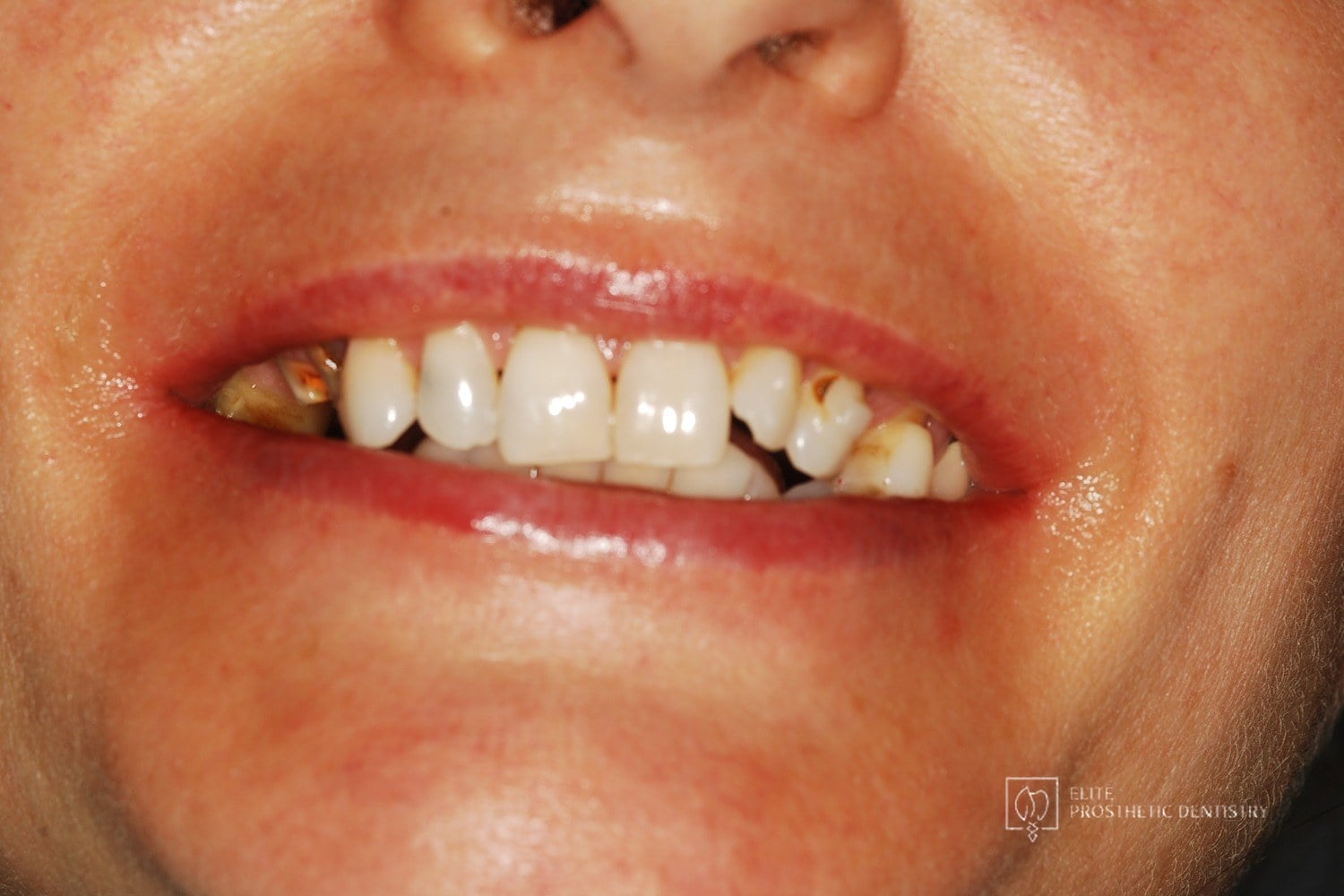 Before
 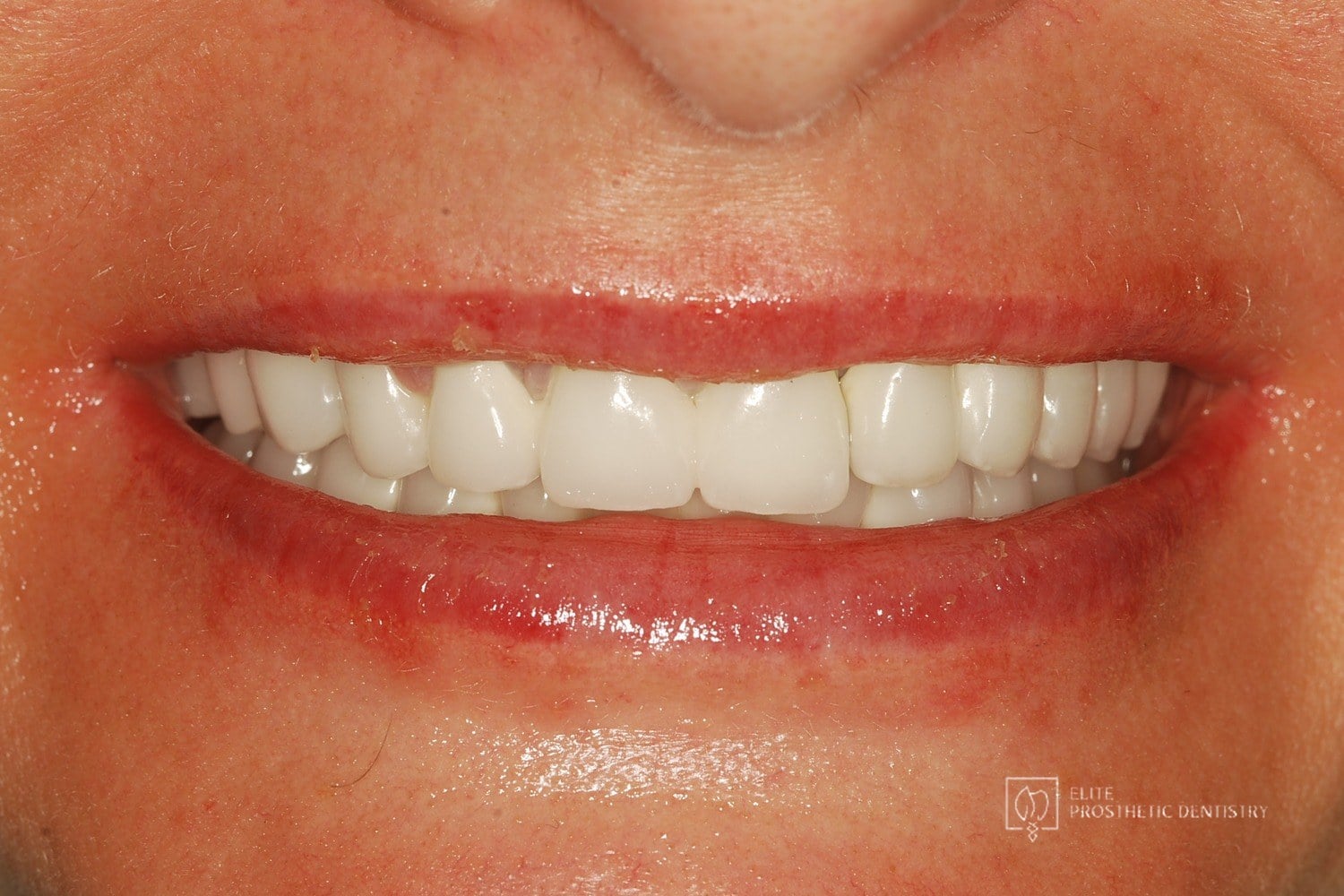 After
After How Aging, Failing Dentistry Was Replaced with a Coordinated Full-Mouth Implant and Crown Reconstruction
The patient presented with throbbing upper-molar pain, long-standing infections, multiple root canals and unfinished prior treatment, generalized sensitivity, and several hopeless teeth.
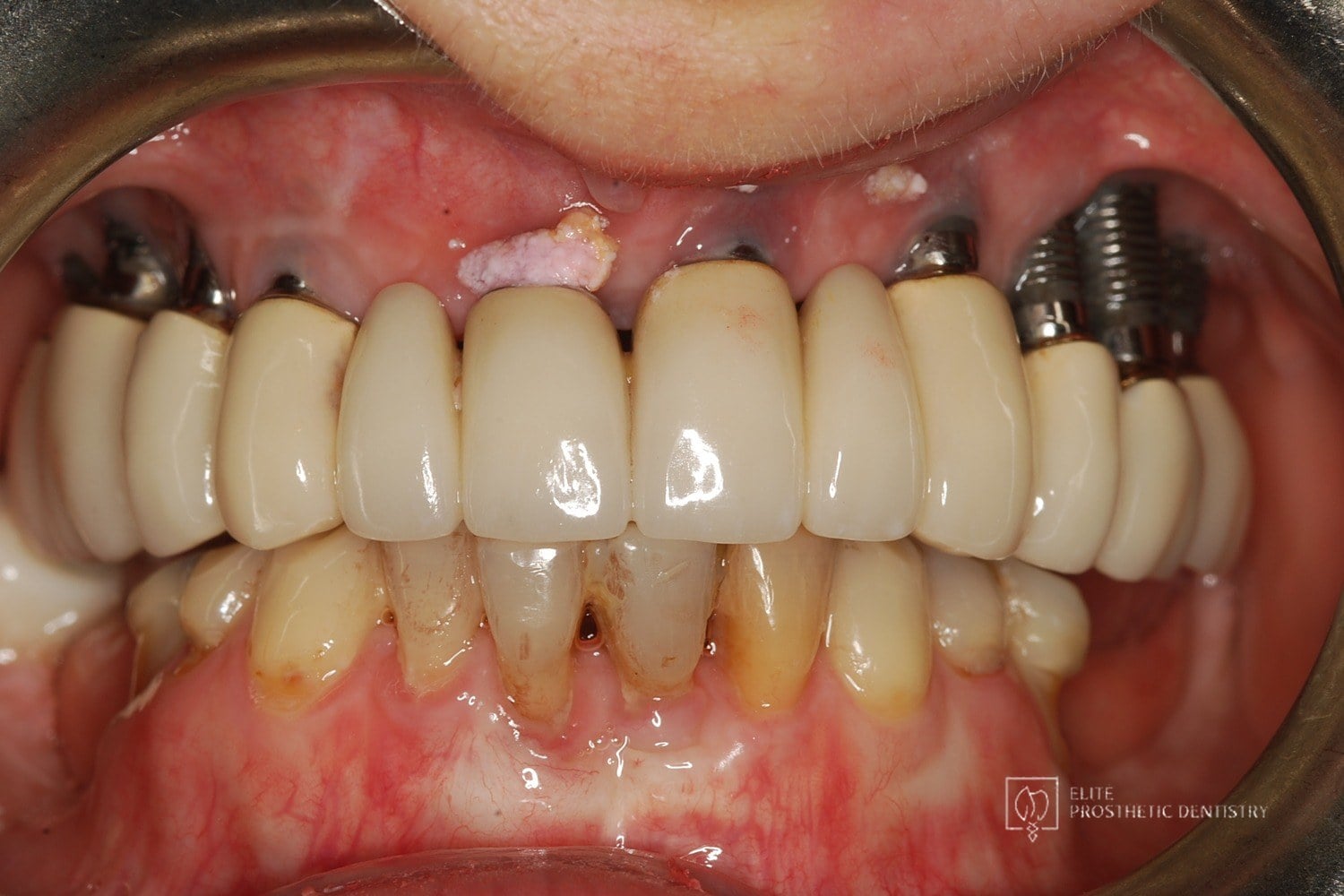 Before
 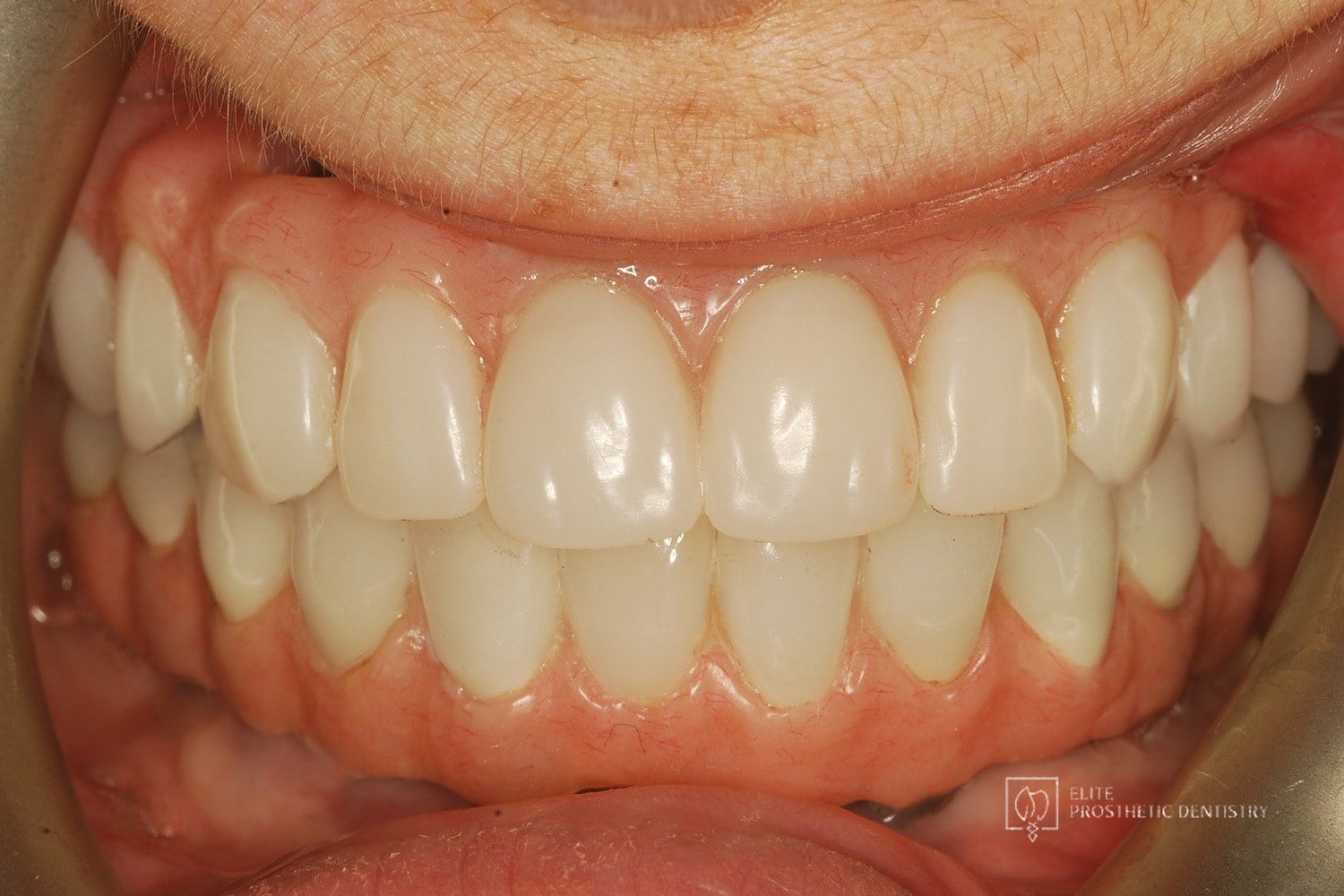 After
After How Failing Implants and Severe Bone Loss Were Rebuilt Into a Stable Full-Arch Implant Reconstruction
The patient presented with significant complications from previously placed implants, severe bone loss, failing posterior implants, and an unesthetic full-arch bridge. Both arches required full reconstruction, with the upper arch showing the most advanced bone loss and instability.
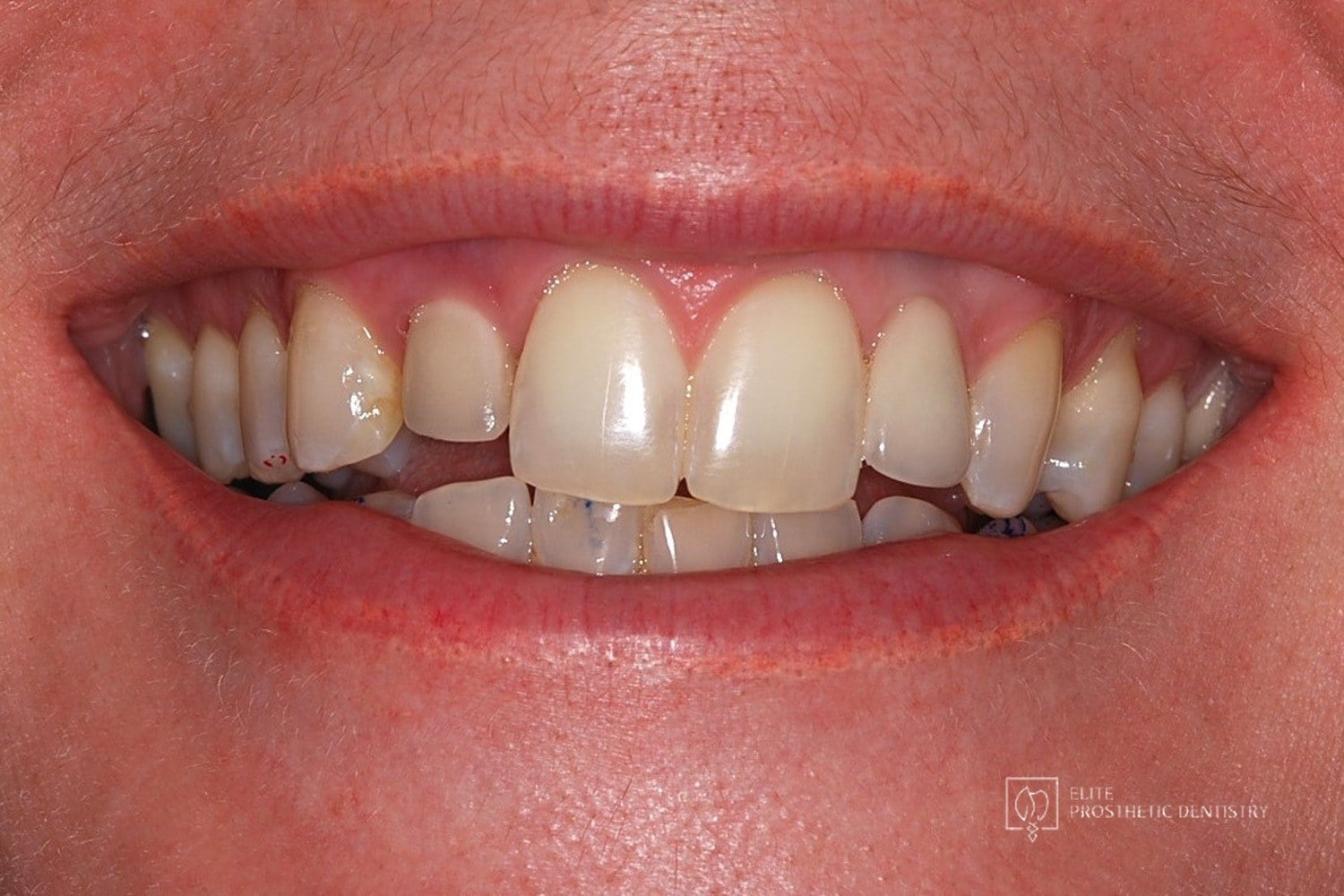 Before
 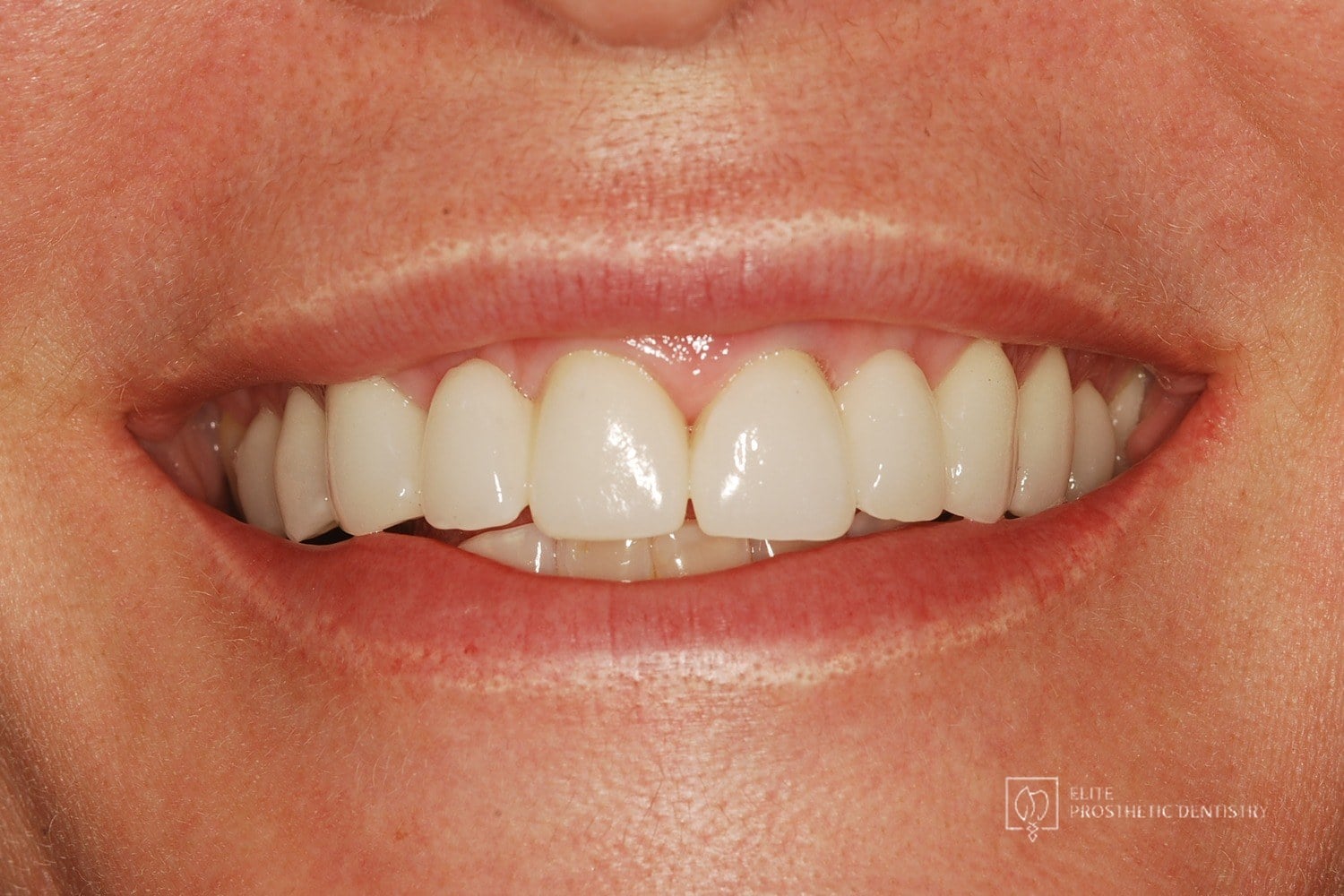 After
After How Failing Lateral Incisor Implants Were Replaced with Custom Zirconia Bridges After Severe Bone Loss Made Replacement Implants Impossible
Comprehensive examination including CBCT imaging revealed significant bone loss surrounding implants that were placed outside the buccal plate, most likely due to placement without a CBCT-generated surgical guide. The implants were determined non-salvageable, and the alveolar ridge was too narrow to support replacement implants without extensive reconstruction.
Related Articles
Deepen your knowledge with additional insights on this topic.
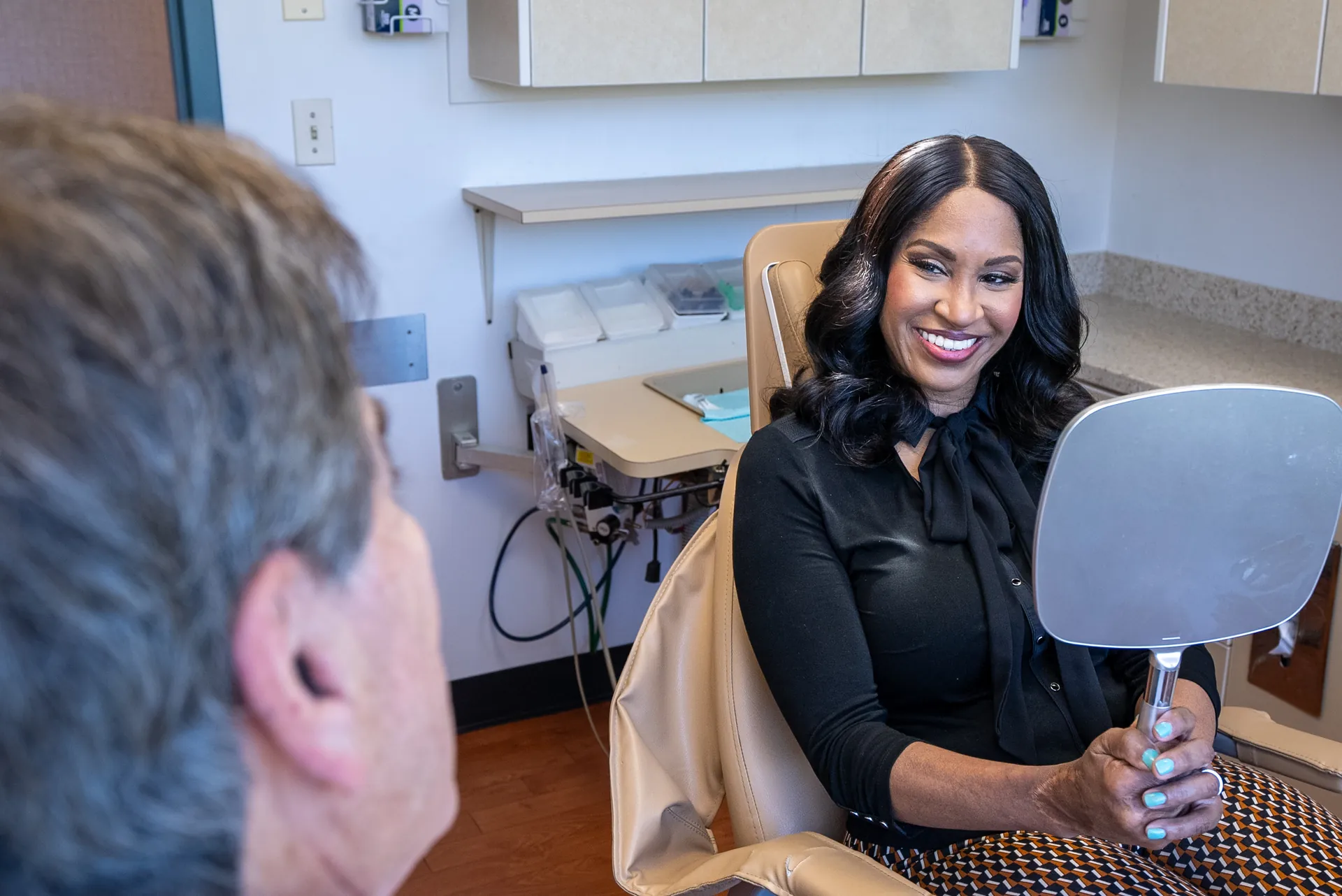 Oral Health & Prevention
 Common Misconceptions About Gum (Periodontal) Disease: Myths vs. Facts
Bleeding gums are normal? Only older adults get gum disease? A DC prosthodontist corrects eight common myths about periodontal disease signs and treatment.
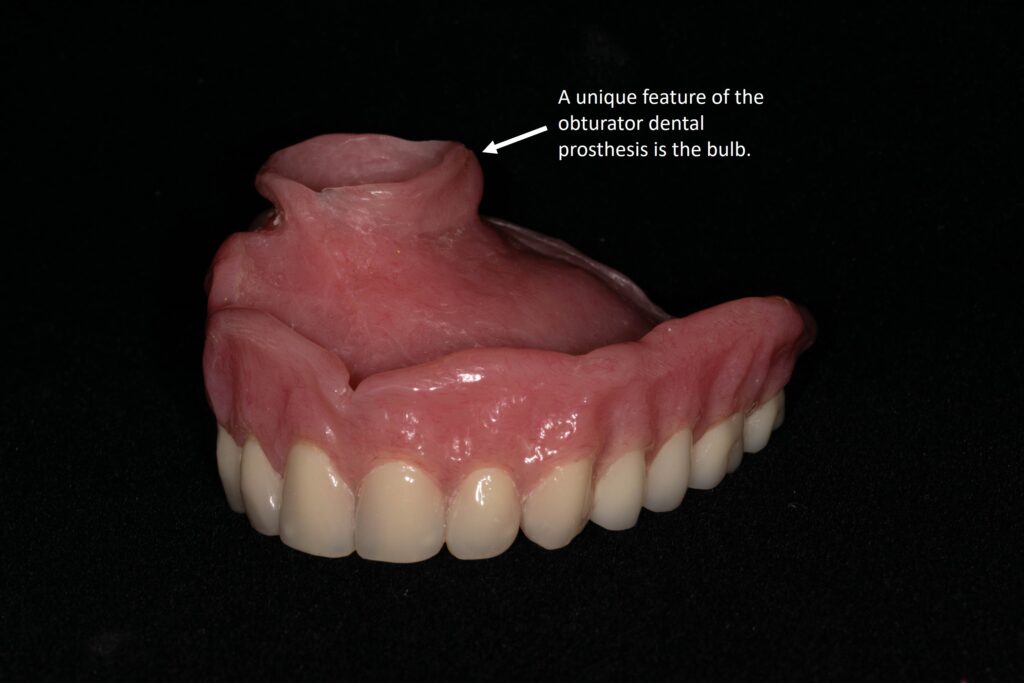 Oral Health & Prevention
 Understanding Palatal Obturators for Openings in the Roof of the Mouth
A palatal obturator seals an opening in the roof of the mouth from cleft palate, surgery, or trauma. A DC prosthodontist explains how they work and their care.
 Oral Health & Prevention
 Dental Hygiene Care Is Not a 'One-Size-Fits-All' Process
The right hygiene routine depends on your gums, your risk factors, and your dental work. A DC prosthodontist explains why personalized hygiene care matters.