
Can I Expect a Lot of Pain with Implant Surgery? Why Experiences Differ So Much
Over the years, many patients have arrived at their consultation carrying a story: a friend or family member whose dental implant surgery hurt for weeks. They want to know if that experience is their forecast.
It is not. We have not seen that experience in the vast majority of our own patients, and many report no pain at all. The honest explanation is that implant surgery pain is not a fixed price of admission. It varies enormously with how the surgery is planned, performed, and medicated, which means the practice you choose largely determines the recovery you get.
Here are the variables that separate the rough stories from the easy ones.
Variable One: Where the Implant Goes
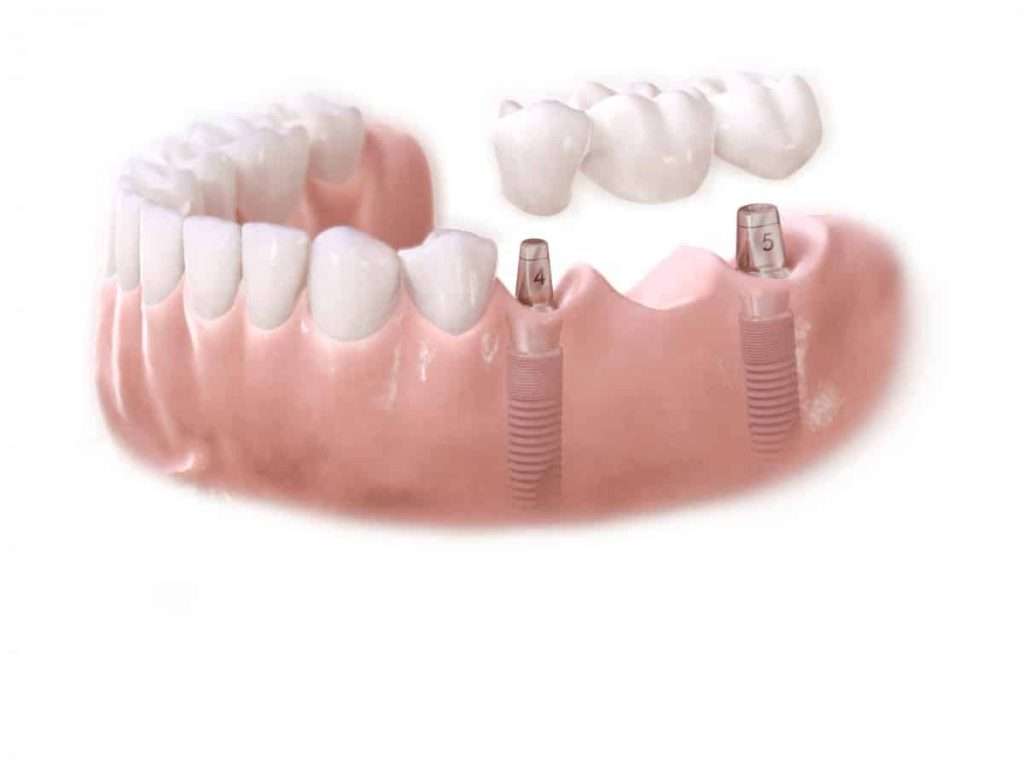
Proper preplanning places each implant in the ideal position within the bone and in the right relationship to the gum tissue. Implants positioned correctly go in with less tissue trauma and heal with fewer complications. Position problems are where many of the painful stories begin, and they cause trouble long after the swelling fades.
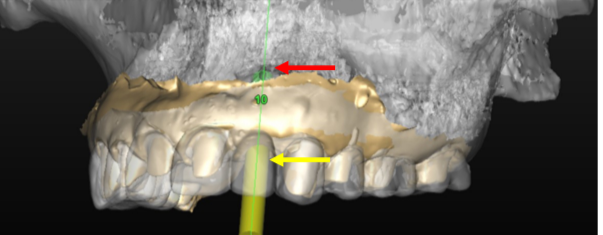
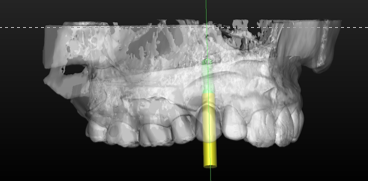
Every implant case at Elite Prosthetic Dentistry, from a single implant through full-mouth reconstruction, is planned on a CBCT (cone beam CT) scan, with the implant placed virtually first. Surgical guides generated from the scan are used where bone anatomy, esthetic demands, or proximity to nerves and sinuses call for them. That is the foundation of Precision Implant Placement.
Variable Two: How the Surgery Is Performed
Surgical technique decides how much healing your body has to do afterward. Minimal flap designs, gentle handling, and deliberate, slow preparation of the implant site respect the bone and soft tissue. The full protocol is described in our article on atraumatic implant surgery, and its result is simple: tissue that was barely disturbed barely complains.
Variable Three: How Inflammation Is Managed
Most post-surgical pain is inflammation. Dr. Marlin uses an individualized anti-inflammatory regimen timed before, during, and after the procedure, so the inflammatory response is regulated before it builds. Patients are frequently surprised that the prescription-strength backup we provide goes unused, with a few days of over-the-counter medication covering the entire recovery. What that recovery week actually looks like is covered in dental implants: the recovery.
Variable Four: You, and Your Case
Personal pain tolerance, overall health, and case complexity are real factors. A single implant in healthy bone is a different event from a full-arch reconstruction with grafting, and recoveries scale accordingly. Anxiety also genuinely amplifies perceived pain, which is why sedation dentistry is available for any implant procedure. But even these personal variables sit downstream of technique: a complex case done gently still beats a simple case done roughly.
So, Can You Expect a Lot of Pain?
In our experience, across more than 3,900 dental implants placed: no. The overwhelming majority of our patients report minor discomfort at most, easily managed and resolving within a few days. For a closer look at what the procedure and recovery actually feel like, with the published evidence, read How Painful Is a Dental Implant?
Fear of pain should not be the reason you live with a missing tooth. Bring your questions, and your friend’s story, to Dr. Gerald Marlin and get a forecast based on your actual case. Call 202-244-2101 or request a consultation at Elite Prosthetic Dentistry in Friendship Heights, Washington, DC.
See How We Resolve These Problems
Our patient success stories show real cases and real results. Browse outcomes from a specialist prosthodontist with decades of experience and 3,900+ implants placed.
Key Takeaways
- ✓ Painful implant stories usually trace to variables you can control by choosing carefully: planning quality, implant positioning, surgical technique, and medication strategy.
- ✓ Implants placed in ideal positions relative to bone and gum tissue cause less trauma going in and fewer complications afterward.
- ✓ An individualized anti-inflammatory regimen, timed before, during, and after surgery, prevents most of the discomfort patients fear.
- ✓ The vast majority of our patients report little pain after implant surgery, and many report none at all.
- ✓ Case complexity and personal pain tolerance play a role, but technique and planning dominate the outcome.
Frequently Asked Questions
Why did my friend have so much pain with dental implants?
Without knowing the case, no one can say for certain, but painful recoveries usually correlate with longer, more traumatic surgeries, implants placed without three-dimensional planning, larger tissue flaps, unmanaged inflammation, or complications like infection. None of these is inherent to implant surgery. They are variables, and careful practices control them.
Is implant surgery more painful than a tooth extraction?
Generally no. Published research and our clinical experience both find implant placement typically involves less postoperative discomfort than an extraction, because a planned, guided procedure in healthy bone is gentler than removing a failing tooth.
What medications will I need after implant surgery?
In our practice, most patients manage comfortably with over-the-counter anti-inflammatories for a few days. We use an individualized medication regimen that starts before surgery so inflammation is controlled before it begins, rather than treated after it peaks. Stronger medication is prescribed as a precaution and, in the majority of cases, goes unused.
Does being nervous make implant surgery hurt more?
Anxiety measurably raises perceived pain, which is one reason we offer sedation options. Many anxious patients find that sedation plus a gentle protocol resets their expectations entirely, and the anticipated ordeal becomes an uneventful appointment.
Related Patient Success Stories
Explore similar patient success stories demonstrating our expertise in advanced prosthetic dentistry.
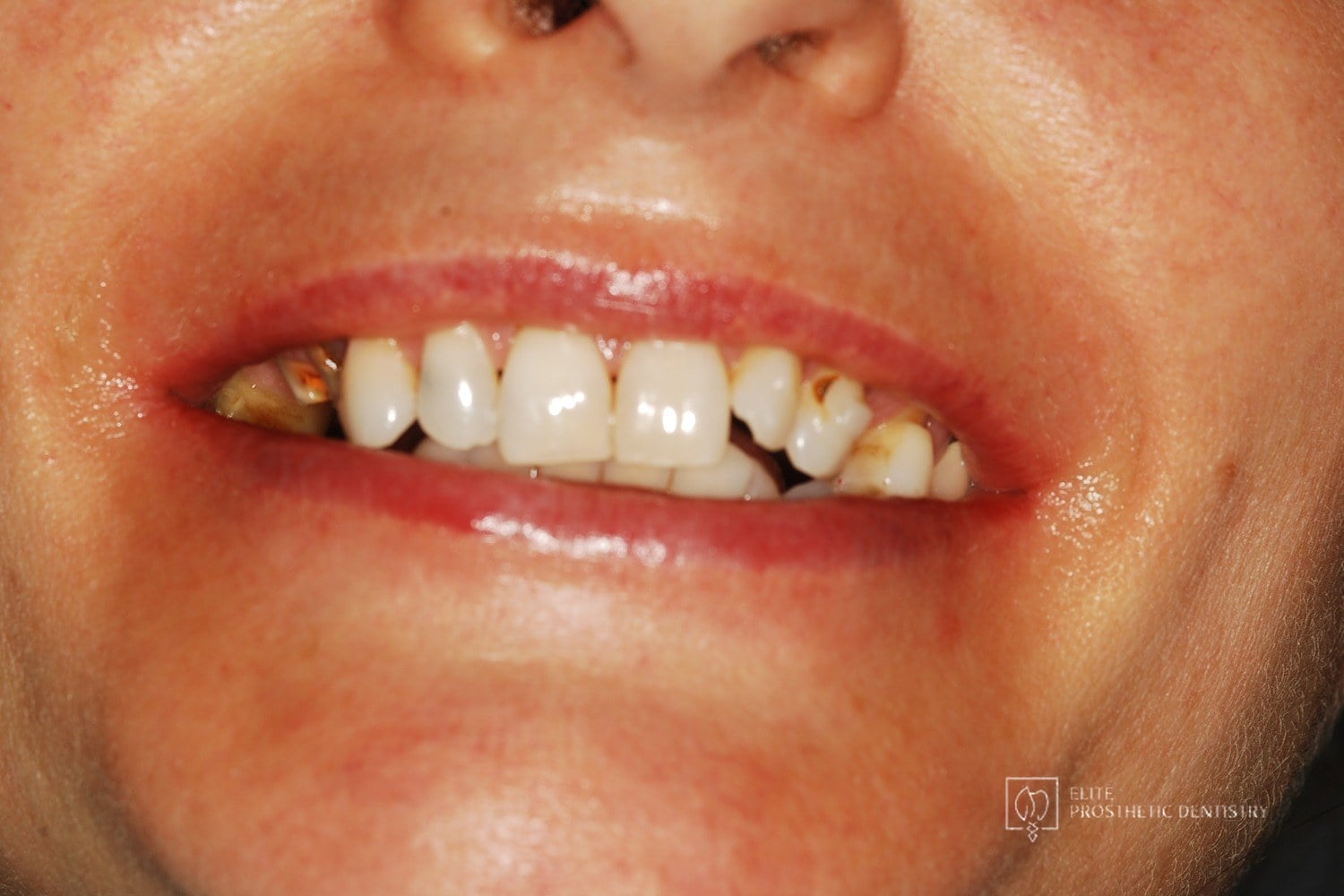 Before
 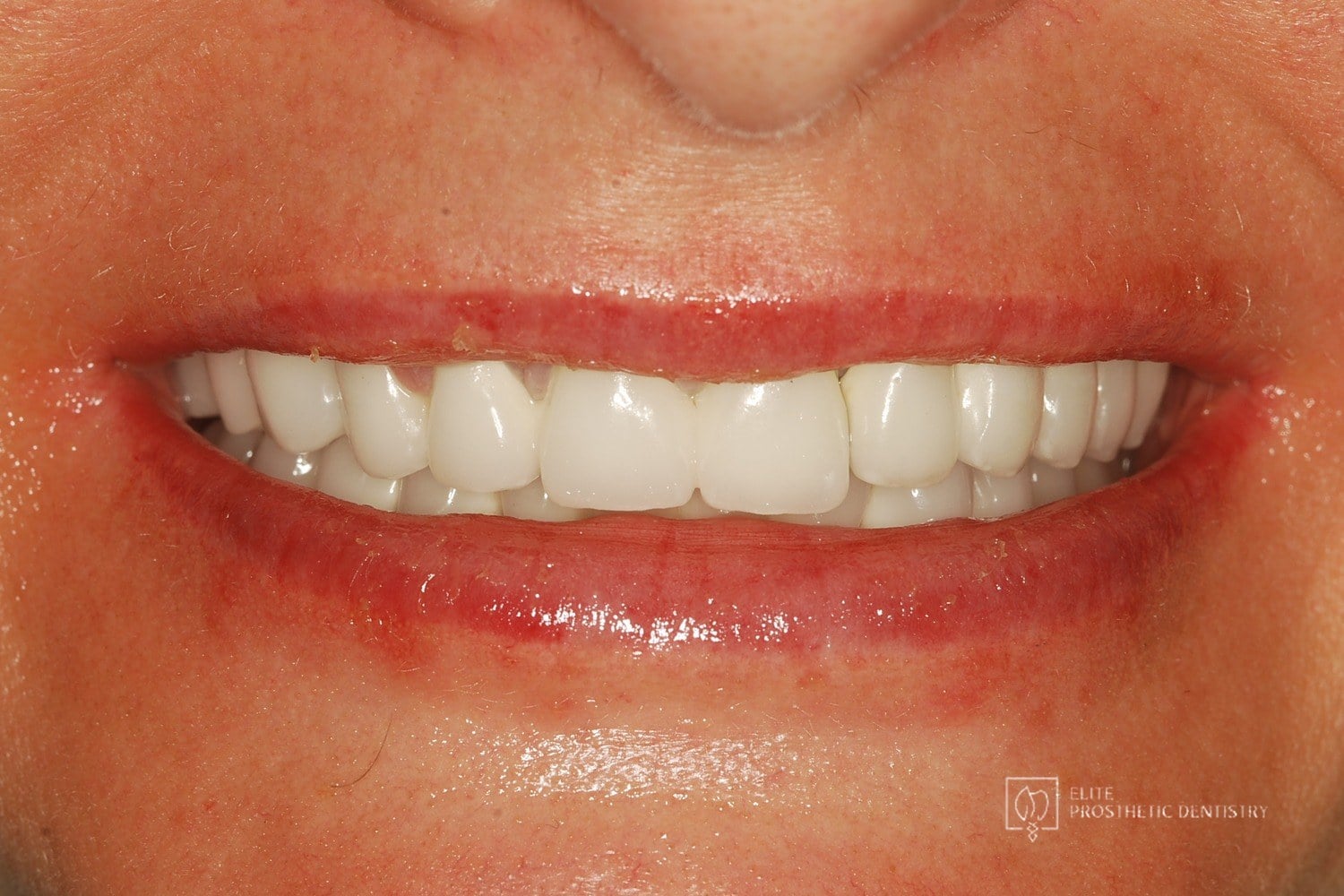 After
After How Aging, Failing Dentistry Was Replaced with a Coordinated Full-Mouth Implant and Crown Reconstruction
The patient presented with throbbing upper-molar pain, long-standing infections, multiple root canals and unfinished prior treatment, generalized sensitivity, and several hopeless teeth.
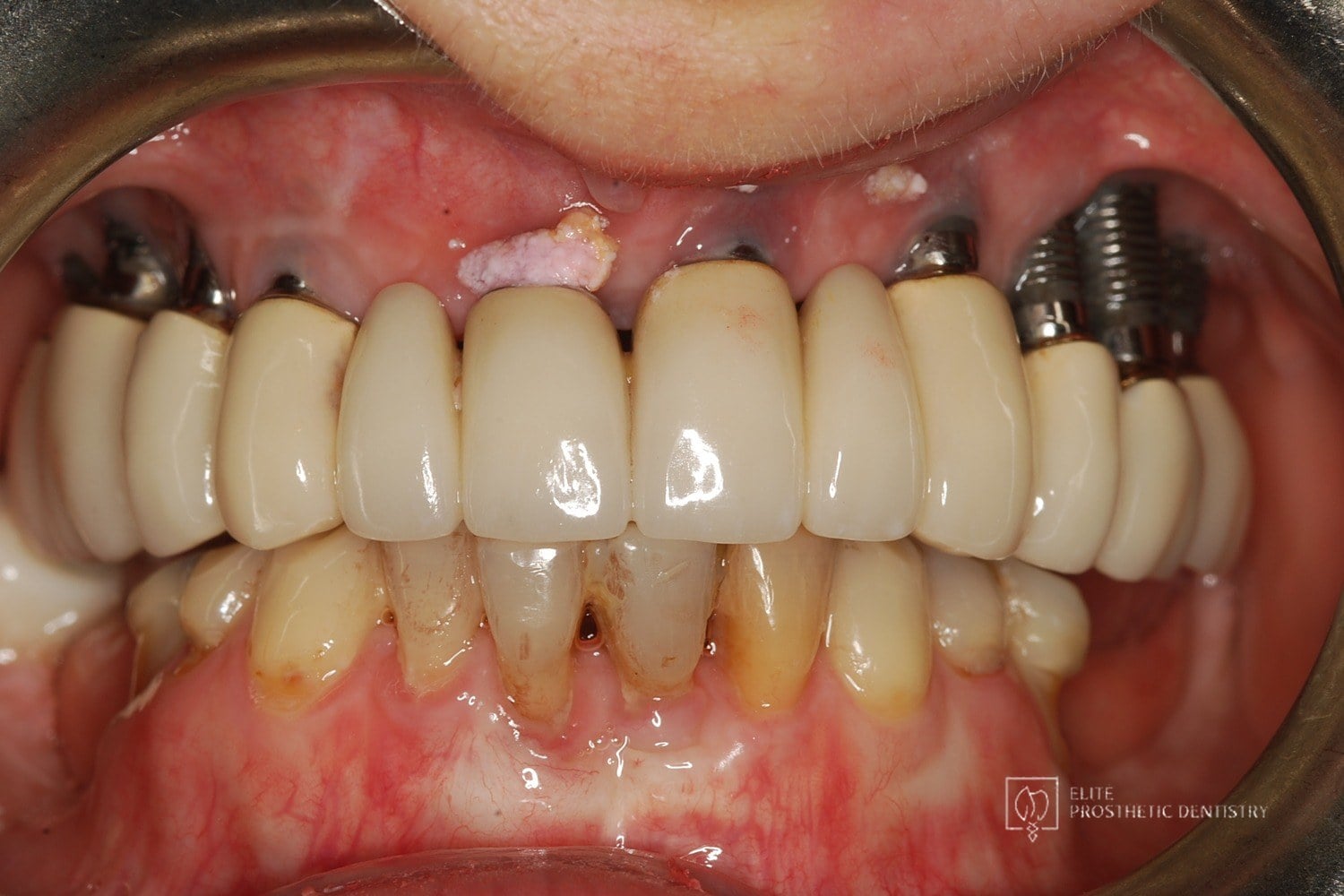 Before
 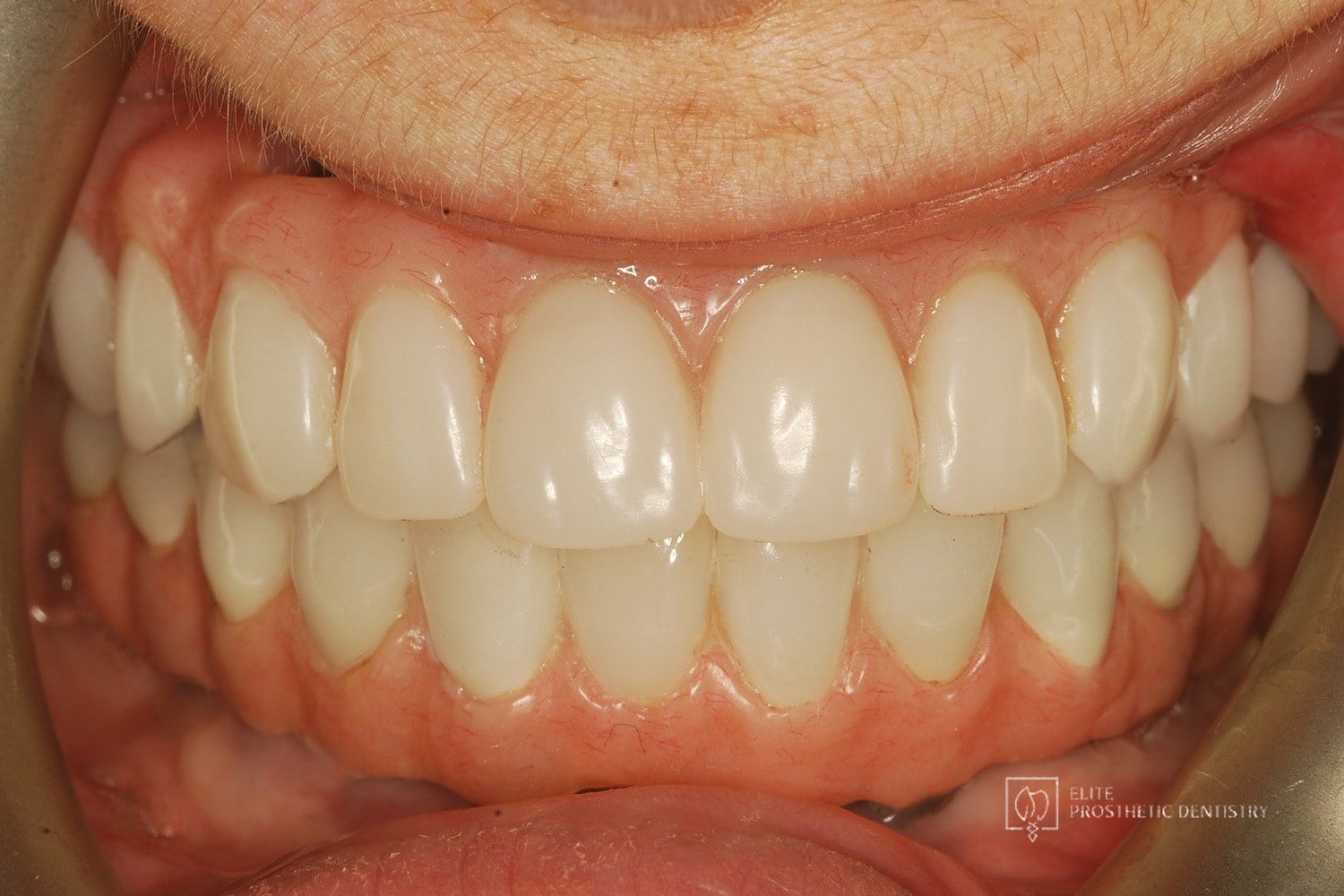 After
After How Failing Implants and Severe Bone Loss Were Rebuilt Into a Stable Full-Arch Implant Reconstruction
The patient presented with significant complications from previously placed implants, severe bone loss, failing posterior implants, and an unesthetic full-arch bridge. Both arches required full reconstruction, with the upper arch showing the most advanced bone loss and instability.
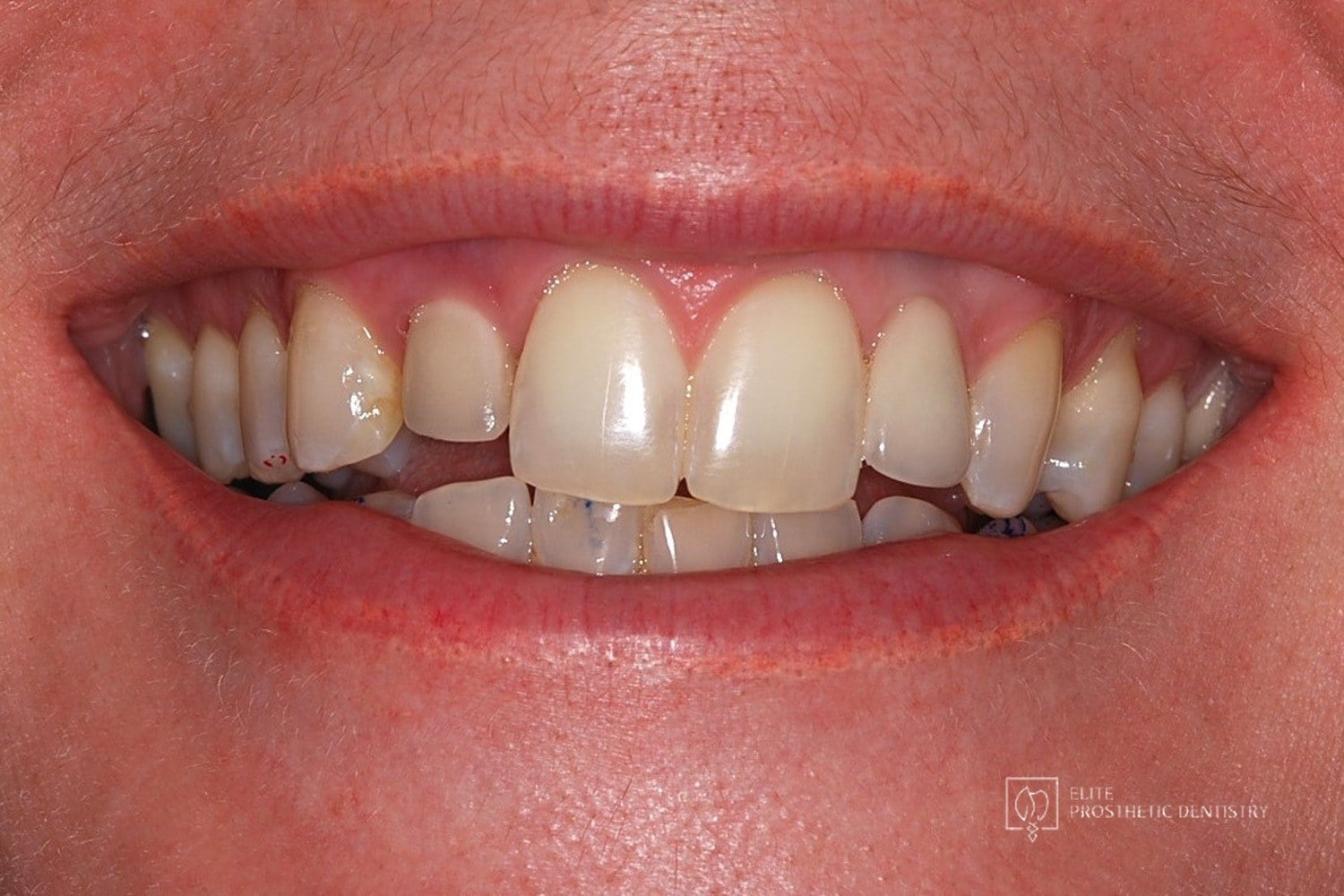 Before
 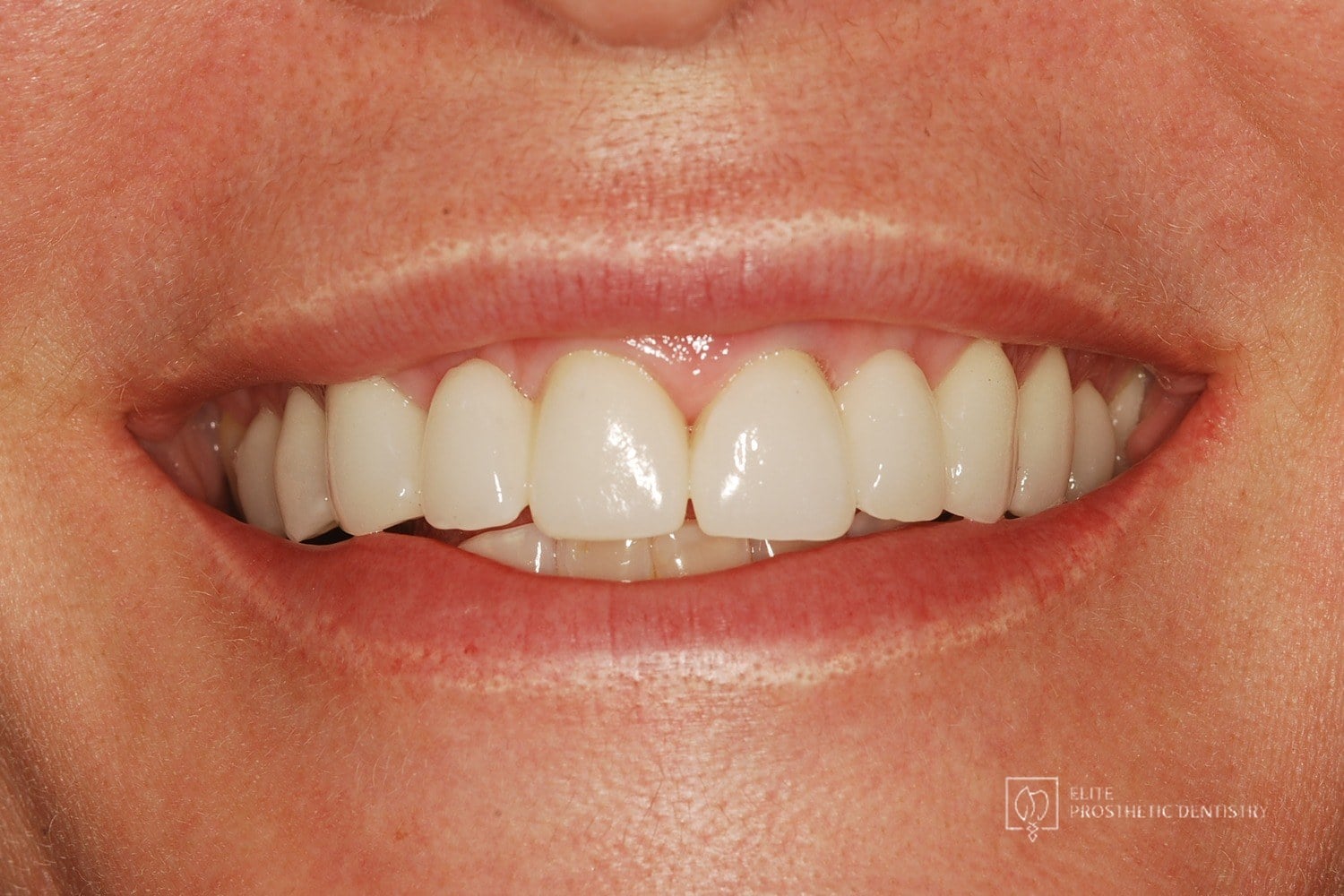 After
After How Failing Lateral Incisor Implants Were Replaced with Custom Zirconia Bridges After Severe Bone Loss Made Replacement Implants Impossible
Comprehensive examination including CBCT imaging revealed significant bone loss surrounding implants that were placed outside the buccal plate, most likely due to placement without a CBCT-generated surgical guide. The implants were determined non-salvageable, and the alveolar ridge was too narrow to support replacement implants without extensive reconstruction.
Related Articles
Deepen your knowledge with additional insights on this topic.
 Dental Implants
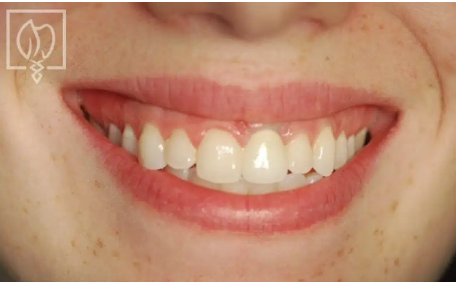
 If a Single Front Tooth Is Replaced with an Implant, Can It Look Natural?
Yes. See the four steps, with real case photos, that make a single front tooth implant indistinguishable from the natural tooth beside it. Washington, DC.
 Dental Implants
 What Is Precision Implant Placement (PIP)?
Precision Implant Placement plans each implant virtually on a CBCT scan, then delivers it with a custom surgical guide. See the three steps with real images.
 Dental Implants
 What Is the Ideal Surgical Guide for Precision Implant Placement?
Not all surgical guides are equal. The gold standard is CBCT-based: planned virtually in 3D, 3D printed, and seated on your teeth. A DC prosthodontist explains.